Indonesia is moving to tighten its grip on three strategic export streams by making state-backed PT Danantara Sumberdaya Indonesia the sole intermediary for coal, crude palm oil and ferroalloy shipments from Jan. 1, 2027.
Indonesia to use DSI for coal palm oil exports
That matters because the policy reaches into the heart of Indonesia’s commodity engine, the part of the economy that brings in hard currency, anchors jobs and helps shape prices across Asia. For investors, it signals a more managed export regime in a country that is already one of the world’s key suppliers of coal and palm oil, with the government betting that tighter oversight can improve compliance, traceability and pricing power without stopping trade.
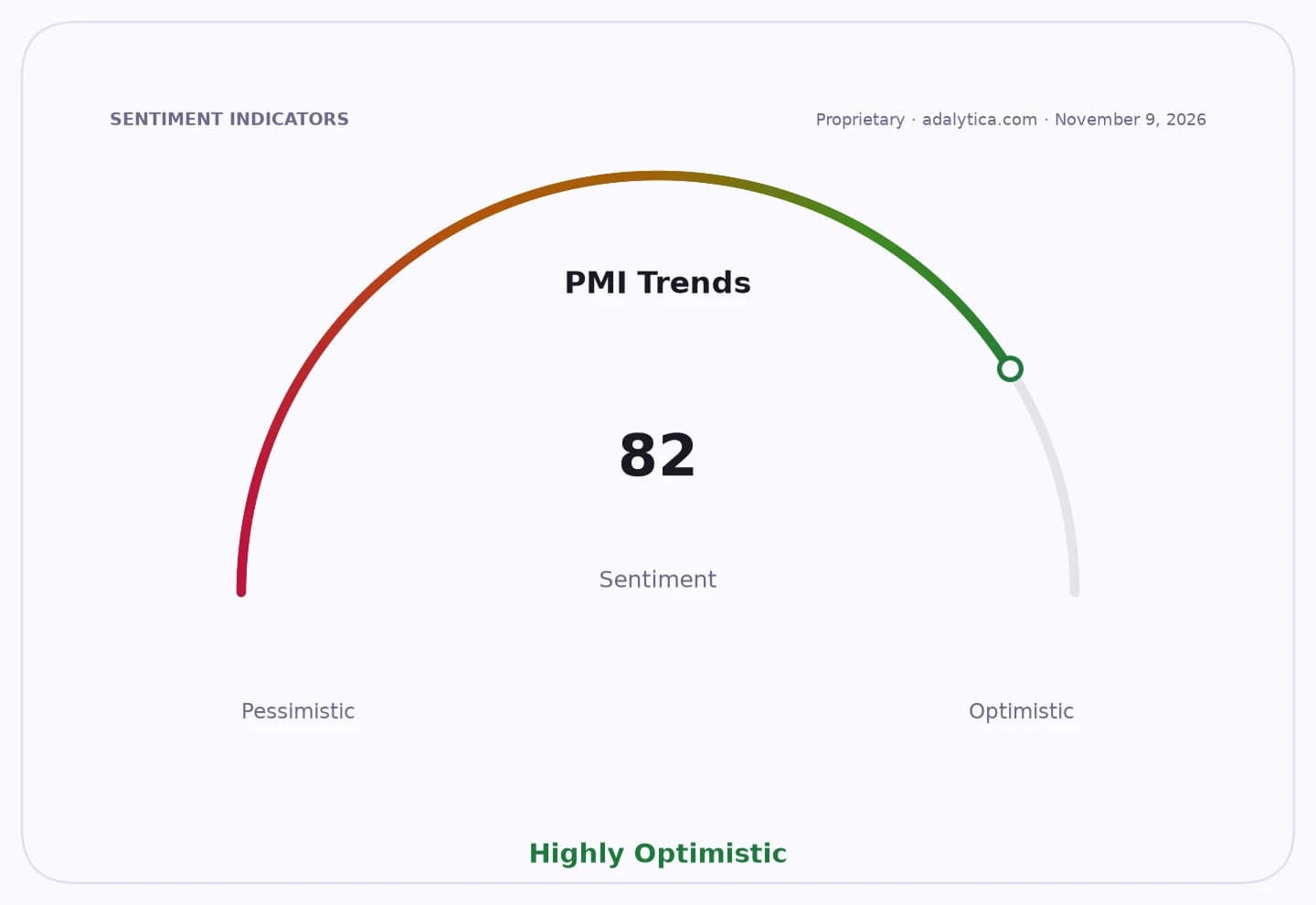
Sentiment Indicators
Economically, the most important point is that DSI will not replace exporters or become the seller of record. Instead, it will act as a mandatory check point, reviewing contracts, draft export notices and supporting documents before customs filings can proceed. In other words, the commercial deal will still be struck between the exporter and the buyer, but a new layer of state scrutiny will sit in the middle of the process.
Officials say the system is designed to screen for rule breaches and create a more orderly export channel. DSI chief executive Luke Thomas Mahony said the platform, known as NADI, is already linked to Indonesia’s customs and single-window systems and has been tested with 100 companies, including exporters and buyers. The government also expects the rules to be written into a revised regulation that should be completed in mid-November.
For long-term investors, that structure matters more than the headline. Indonesia is not shutting the door on exports; it is inserting itself into the plumbing of trade. That can cut both ways. If the process works smoothly, it may improve documentation, reduce leakage and strengthen the state’s hand in monitoring strategic commodities. If it becomes burdensome, it could raise transaction costs, slow shipments or create uncertainty around execution.
There is also a pricing dimension. Trade Minister Budi Santoso said DSI will set a “reasonable” export price range for the three commodities, using references such as the government’s export reference price and market benchmarks. That gives policymakers another lever over commodities that already move global supply chains and earnings for miners, plantation firms and traders.
Coal is the clearest market to watch. Indonesian coal exporters have been under pressure from weaker sentiment and a volatile price backdrop, even after a recent rebound. Standard technical indicators on the COAL ticker show the stock has recovered from an early November low, with the latest close at 23.00, below its 50-day and 200-day moving averages, while RSI has eased from oversold levels. That tells you the market is still cautious, and any policy shift that changes export friction or pricing oversight could matter to margins.
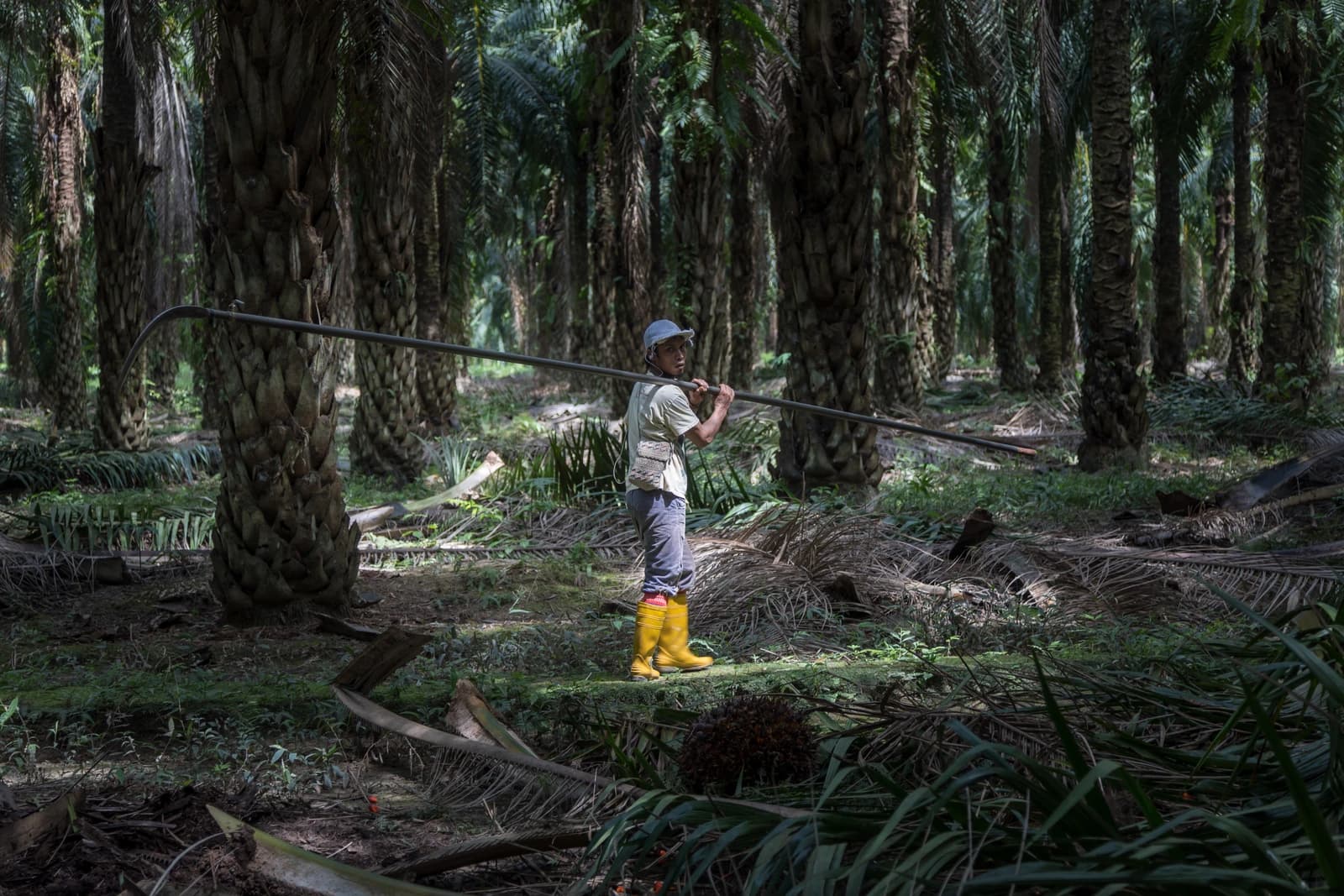
Palm oil is equally important. Indonesia and Malaysia together shape the market, and both countries are balancing export revenue against domestic stability and sustainability demands. Malaysia has already adjusted its December reference price while keeping the export duty at 10%, underscoring how tightly managed the sector remains. If Indonesia’s new intermediary model improves traceability, it could support the country’s broader push to defend its role in the palm oil trade and strengthen compliance standards in a market increasingly focused on sustainability.
The broader investor takeaway is simple: this is a state-led reordering of how Indonesia moves strategic commodities, not a ban or a nationalization. The winners are likely to be policymakers seeking greater oversight and, potentially, firms that can adapt quickly to a more formalized system. The losers are exporters hoping for fewer checkpoints and more autonomy, especially if DSI’s pricing and approval process becomes slow or opaque.
For now, the best approach is patience. This is the kind of policy shift that can reshape costs, compliance and bargaining power over several years, not several days. Investors exposed to coal, palm oil and related industrial supply chains should watch how smoothly the NADI platform scales, how DSI finalizes its fee structure and whether the new price-range rules stay close to market reality. If execution is clean, the policy may become a durable feature of Indonesia’s commodity landscape; if not, it could become a new source of friction worth discounting.
| Entity | Gains | Losses |
|---|---|---|
| Indonesian government / DSI | ▲tighter oversight | ▼less trade flexibility |
| Exporters | ▲clearer rules | ▼more compliance burden |
| Buyers / importers | ▲traceability and order | ▼less pricing freedom |
| Coal and CPO markets | ▲potential standardization | ▼higher transaction friction |