Indonesia’s factory sector is expanding at its fastest pace in more than two years, a signal that domestic demand and exports are strengthening even as investors remain alert to the durability of the recovery.
Indonesia factory PMI rises to 54 in October 2026
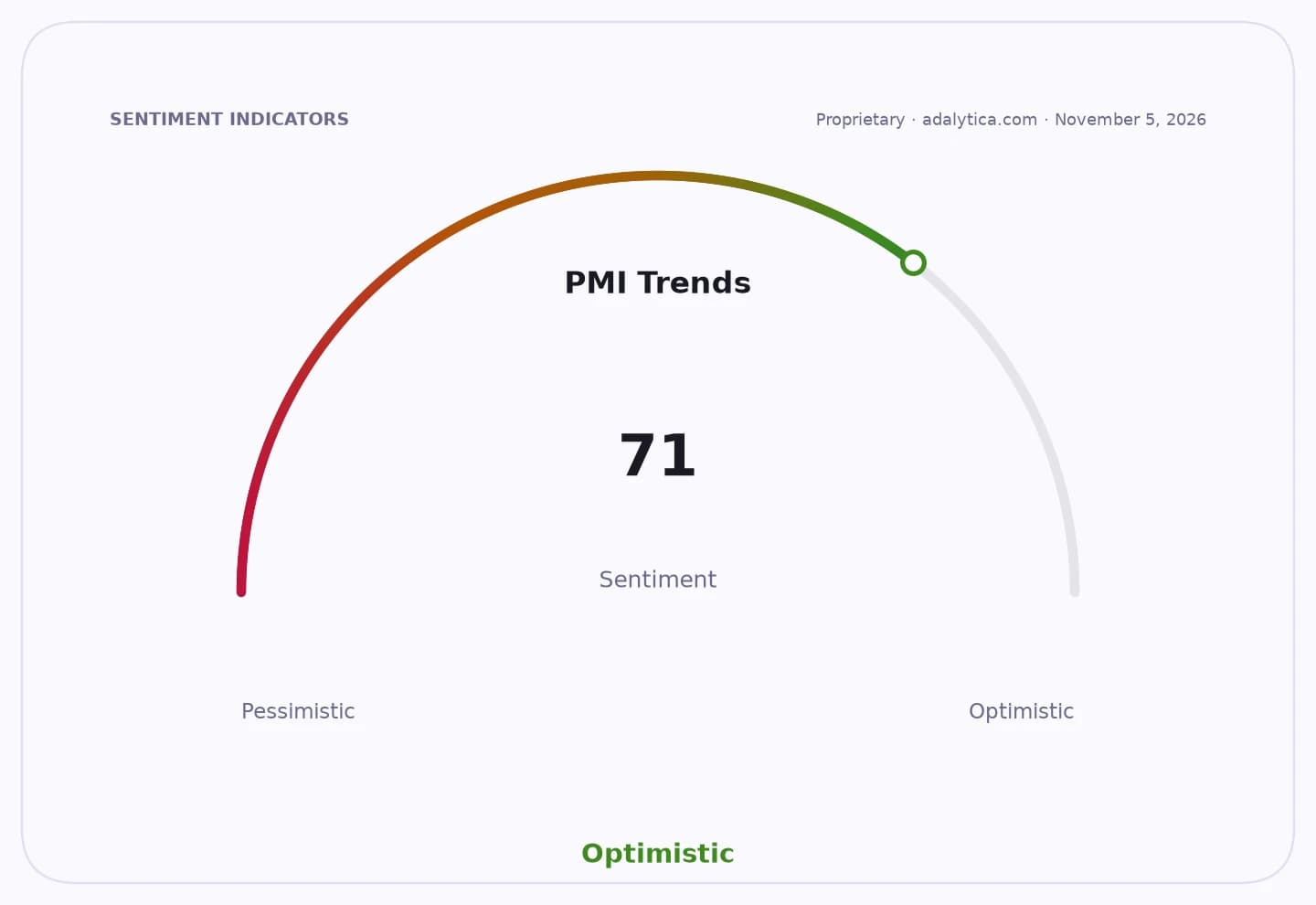
PMI Trends
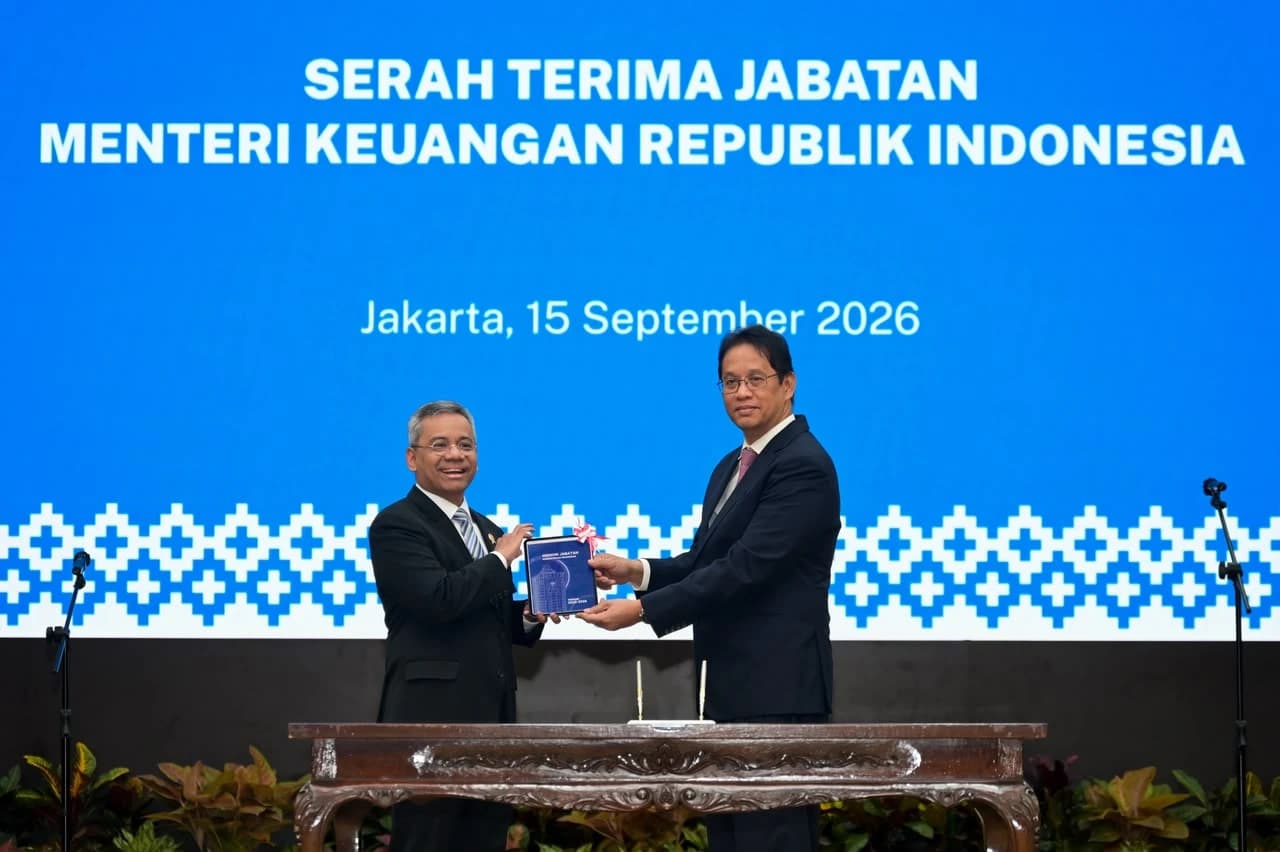
Industry Minister Muhammad Sarmuji said the country’s manufacturing purchasing managers’ index rose to 54 in October 2026, the strongest reading in 31 months and well above the 50 level that separates expansion from contraction. He said the result shows Indonesia’s industrial base is holding up better than critics suggest and is being supported by a sharp pickup in new orders and export demand.
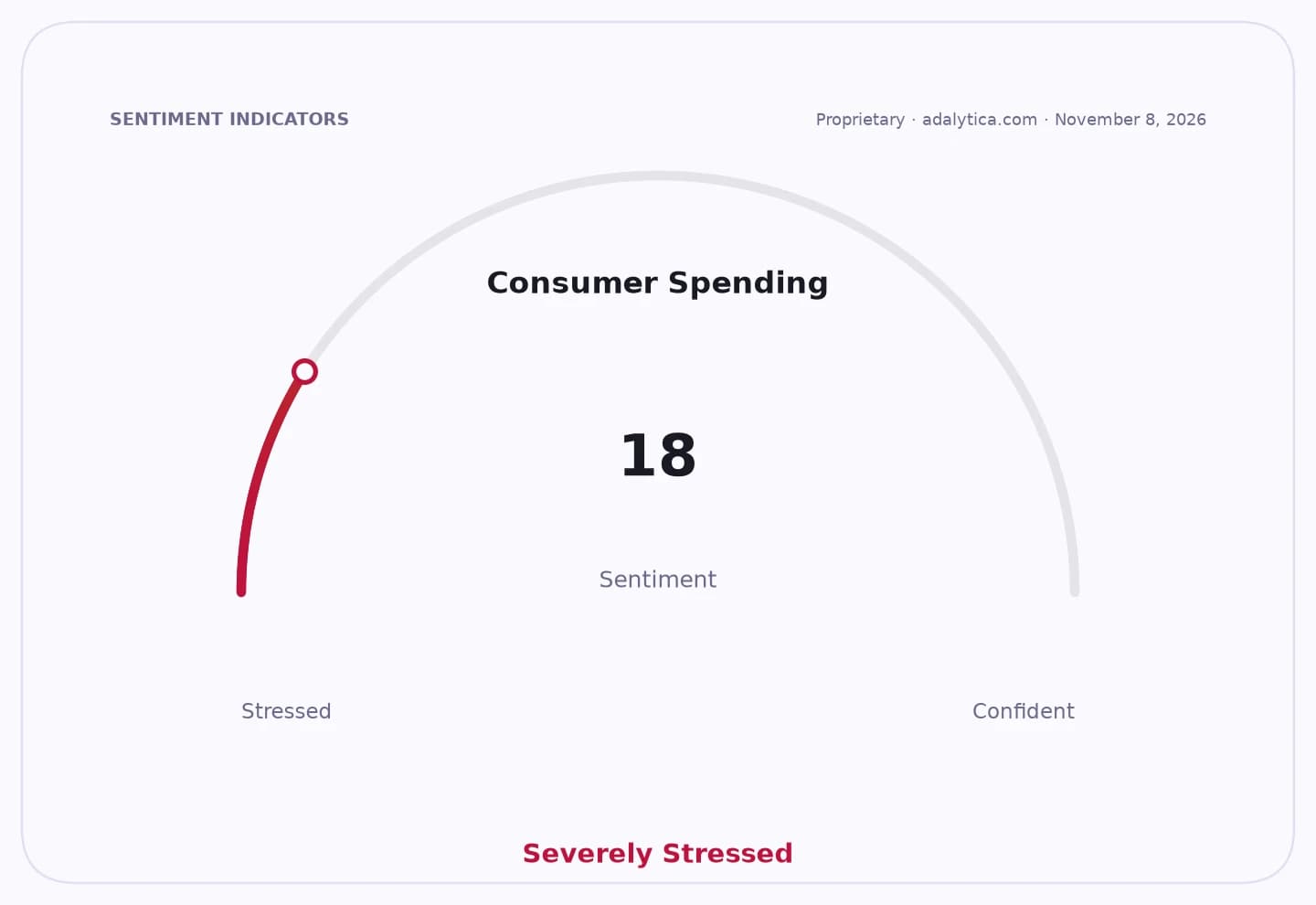
Sentiment Indicators
For the economy, the reading matters because manufacturing remains a key driver of jobs, investment and private-sector activity. Sarmuji said new orders grew at their fastest pace in five years, while new export orders reached a record high in the national industrial survey, reinforcing the case that industrial output can help offset softer spots elsewhere in the economy.
The minister also said Indonesia outperformed several regional peers, including Malaysia, Vietnam, China and Australia, underscoring the relative strength of local production conditions. He added that the industrial confidence index climbed to 53.77, signaling that business sentiment among manufacturers is also improving.
The upbeat PMI will be watched by investors for signs that the recovery can feed through to earnings, capex and credit demand. An improving factory cycle typically supports Indonesian equities tied to domestic growth, logistics and industrial supply chains, while also lifting expectations for tax revenue and broader GDP momentum.
Sarmuji highlighted food and beverage manufacturing as a particular bright spot, saying the sector grew 6.77% and attracted Rp47.74 trillion in investment in the first half of 2026, 59% of it from domestic investors. The sector accounted for 41.8% of non-oil-and-gas processing GDP, making it one of the clearest beneficiaries of the stronger industrial backdrop.
The next test is whether the PMI strength translates into sustained output and hiring in the months ahead, especially if export demand and permitting conditions remain supportive. For markets, the key question is whether October marks the start of a broader industrial upswing or just a temporary burst in activity.
| Entity | Gains | Losses |
|---|---|---|
| Indonesian manufacturers | ▲Higher orders and output | ▼Less pressure on margins |
| Exporters in Indonesia | ▲Record new export demand | ▼Global rivals losing share |
| Domestic investors | ▲Stronger industrial confidence | ▼Sceptics on factory slowdown |
| Regional peers | ▲— | ▼Indonesia gains relative edge |