Indonesia is trying to turn artificial intelligence into a new growth engine at a time when the economy still needs fresh drivers to hit a more ambitious expansion path.
Indonesia AI push targets growth and investment
Coordinating Economic Minister Airlangga Hartarto said AI and the digital economy must become the country’s next sources of growth, arguing they are central to lifting output after Indonesia posted 5.29% growth in the second quarter and 5.45% in the first half of 2026. The government wants growth to accelerate to 5.8%-6.5% in 2027 and reach 8% by 2029, a target that would require a marked jump in investment, productivity and technology adoption.
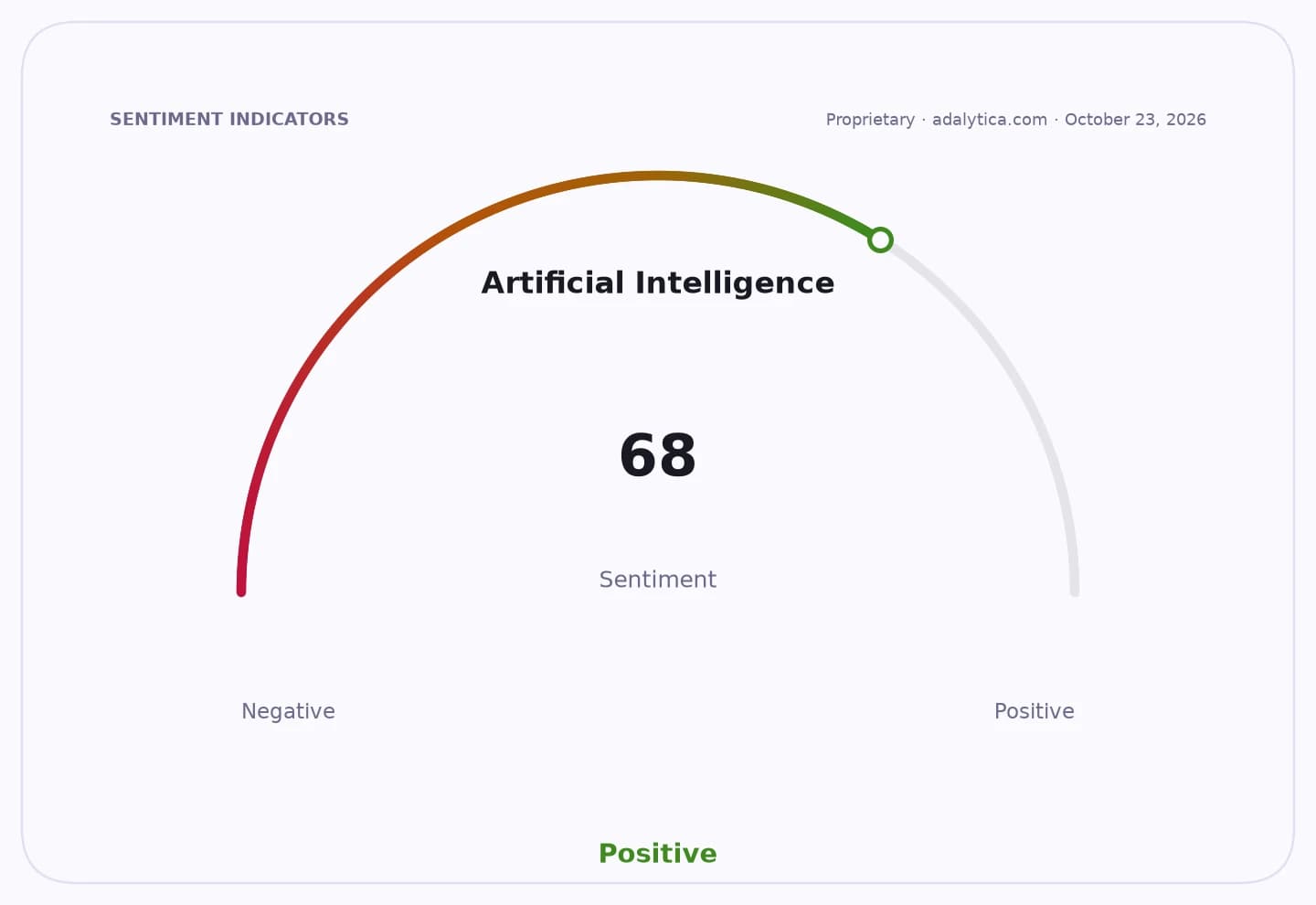
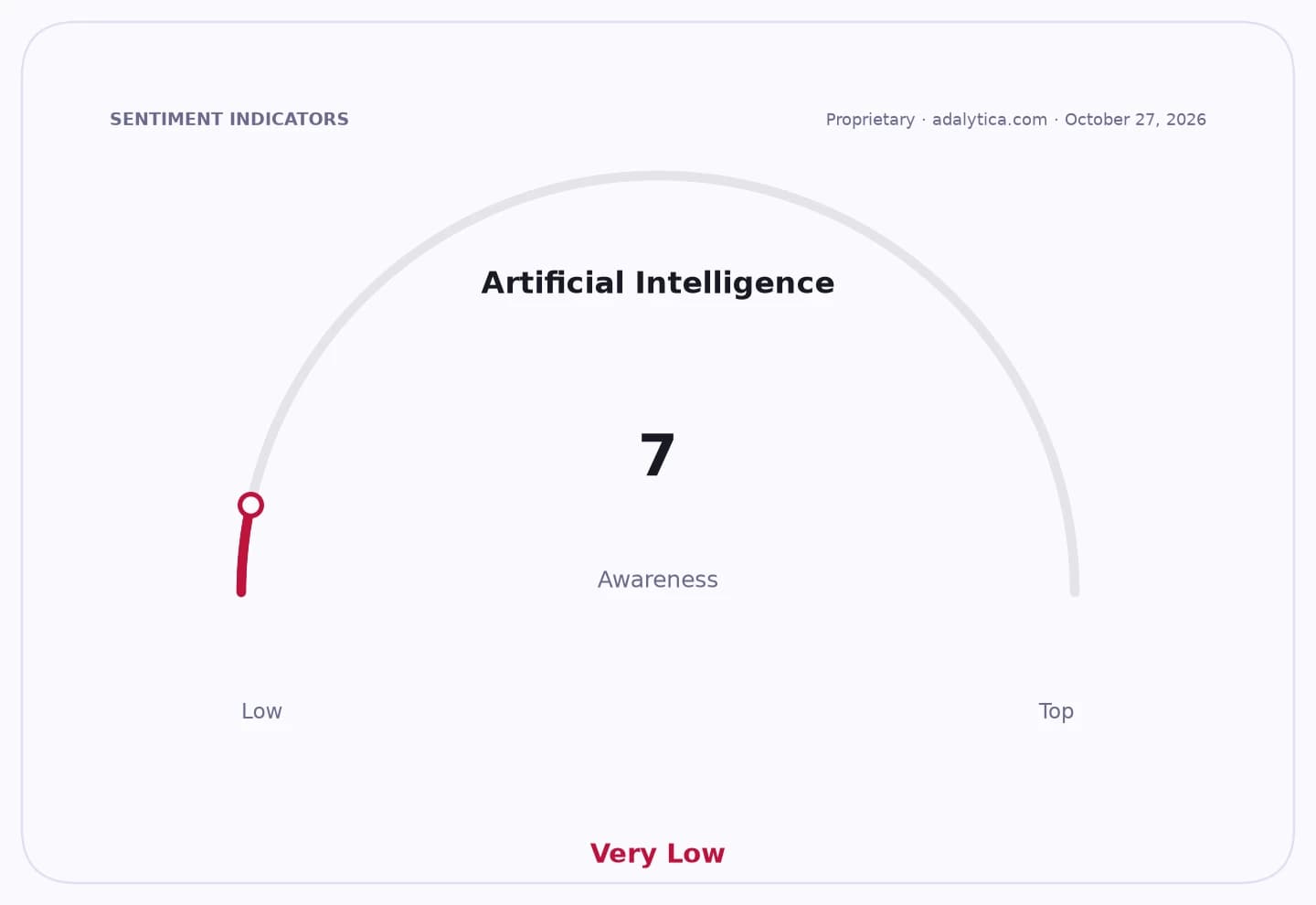
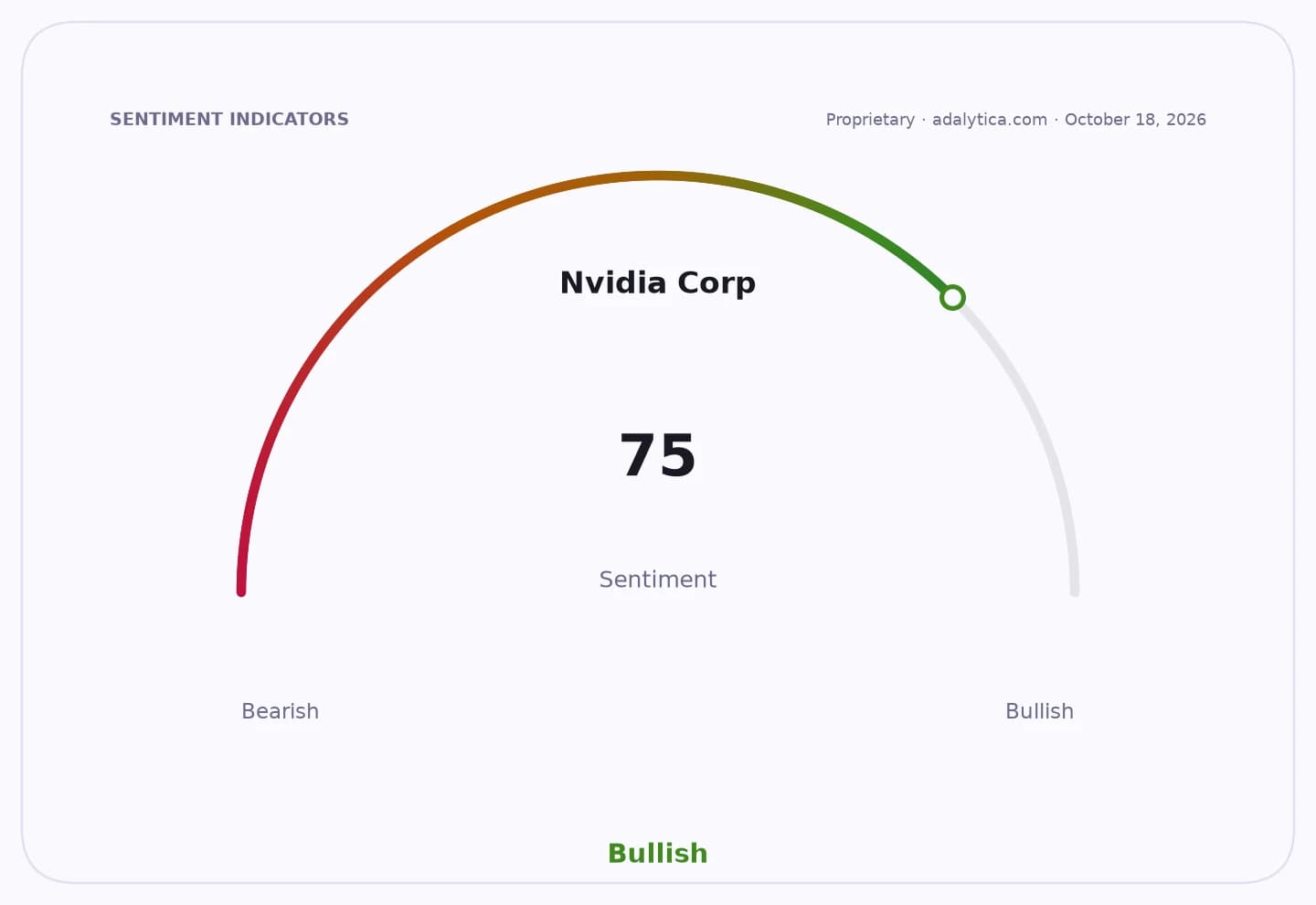
Sentiment Indicators
The pitch matters because it frames AI not as a niche tech upgrade but as macroeconomic policy. Indonesia is positioning the sector as a way to deepen industrial productivity, improve public services and create higher-value jobs, while also supporting micro, small and medium-sized enterprises that dominate the economy. Airlangga said the government’s approach is meant to be practical rather than top-down, with AI deployed in manufacturing supply chains, logistics, taxation, health care and permitting systems.
For investors, the message is that Indonesia is widening the addressable market for the digital infrastructure trade. Goldman Sachs has projected global AI investment will exceed $1 trillion in 2026, while Indonesia’s digital economy is already estimated at $100 billion to $140 billion this year. Jakarta says the national AI economy could reach $360 billion to $400 billion by 2030, implying a large opportunity for cloud providers, chip suppliers, data-centre operators, telecoms, utilities and local software firms if the policy plan translates into spend.
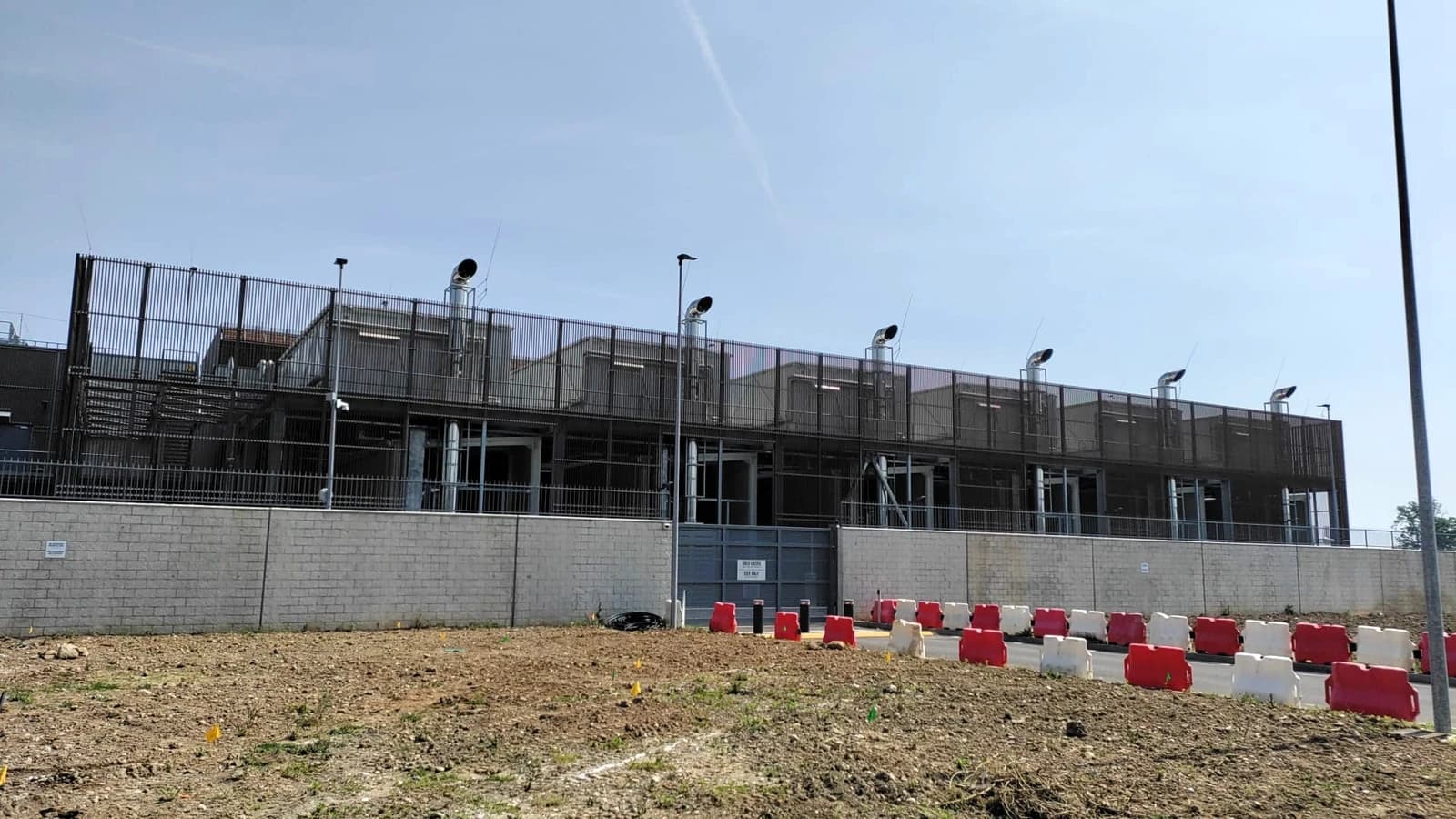
The scale of the challenge is just as important. Airlangga said Indonesia’s current data-centre capacity is only around 0.25 GW to 0.58 GW, while global electricity consumption from data centres is projected to almost double to 950 TWh by 2030 from 485 TWh. That makes power supply, grid reliability and renewable build-out part of the investment case, not just a backdrop. The government said it is adding nearly 60-70 GWh of capacity through PLN’s 2025-2034 power plan, alongside a 100 GWh peak solar program.
The labour-market angle is equally significant. Jakarta is targeting 9 million digital talents by 2030 through education programs, scholarships and tax incentives, and it wants to train 15,000 chip-design engineers over three years. That suggests policymakers see AI as a long-duration competitiveness project rather than a near-term productivity slogan. It also hints at where bottlenecks may emerge: skills, implementation capacity and the ability of local firms to absorb advanced technology.
For global tech groups, Indonesia’s push raises the prospect of deeper partnerships and new regional demand. The government highlighted AI.ID, Korika Claw and Korika Token as part of its technology-sovereignty drive, while also pointing to Project NUSA with Singapore and a planned international AI body that it says could attract $8 billion to $12 billion in new investment. The bull case is that Indonesia becomes one of Southeast Asia’s larger AI-growth markets. The bear case is that funding, infrastructure and governance lag the ambition, leaving the rhetoric ahead of execution.
For now, the strategic signal is clear: Jakarta is trying to make AI a pillar of its next development cycle, and investors will increasingly judge the plan by capital deployment, energy readiness and whether digital adoption starts to show up in productivity, exports and earnings.
| Entity | Gains | Losses |
|---|---|---|
| Indonesian government | ▲Growth narrative | ▼Execution risk |
| Cloud, chip and data-centre investors | ▲New demand | ▼Capital intensity |
| Local SMEs and workers | ▲Productivity gains | ▼Automation pressure |
| Power utilities and grid builders | ▲Higher load demand | ▼Delivery bottlenecks |