Nvidia is pushing into Southeast Asia’s next big AI buildout with plans tied to a potential Rp80 trillion investment in Batam, a move that could widen its business far beyond selling chips and into the much stickier economics of cloud compute.
Nvidia Batam AI campus could use 170,000 accelerators
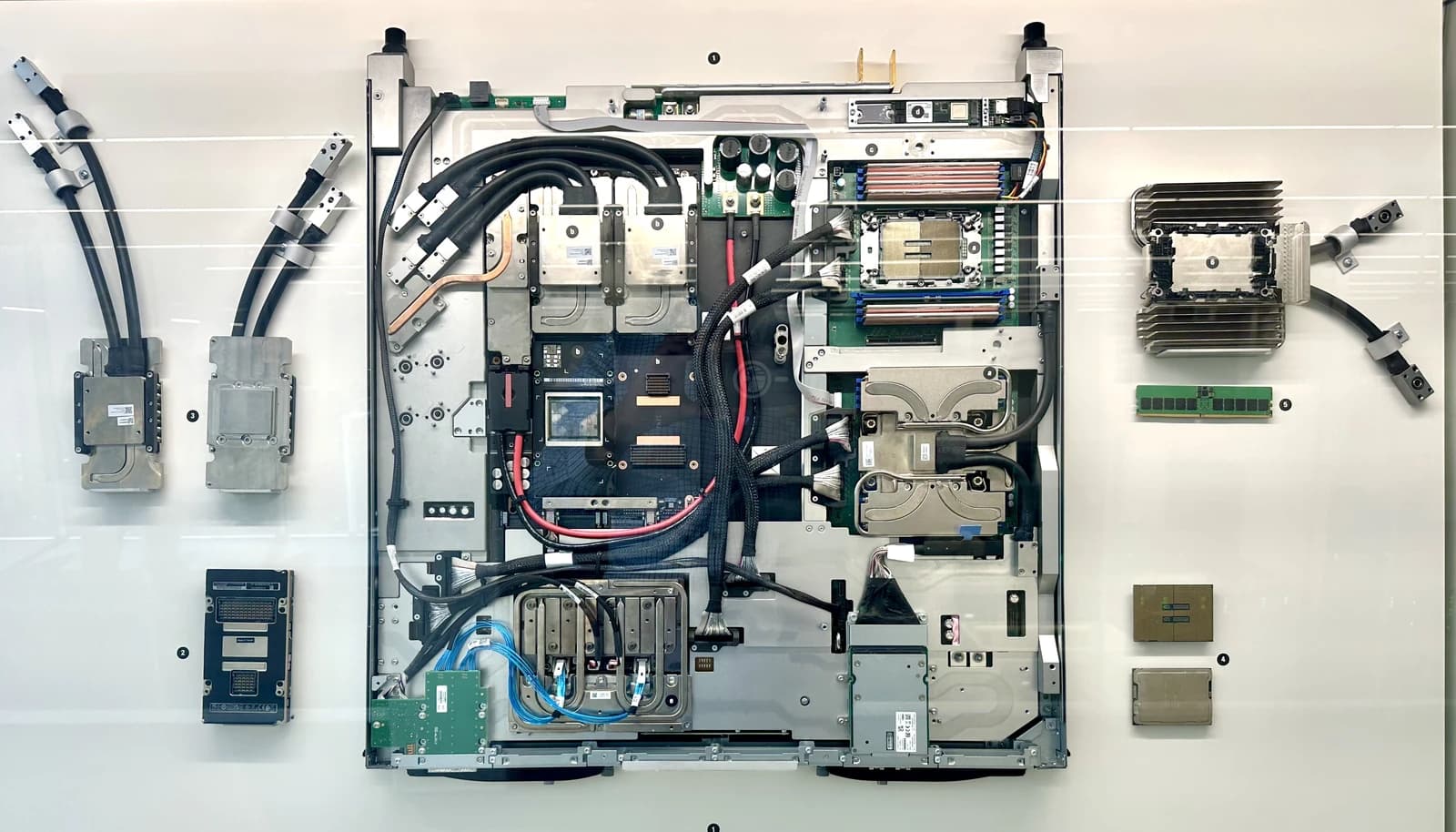
Why that matters is simple: the AI boom is no longer just about who makes the fastest processors. It is becoming a race to control power, land, financing and recurring cloud revenue. The Batam project, if it advances, would put as many as 170,000 Nvidia AI accelerators in a single campus at Kabil Tech Park, according to the source report, a scale equivalent to roughly 65% of Nvidia’s chip allocation for all of South Korea.
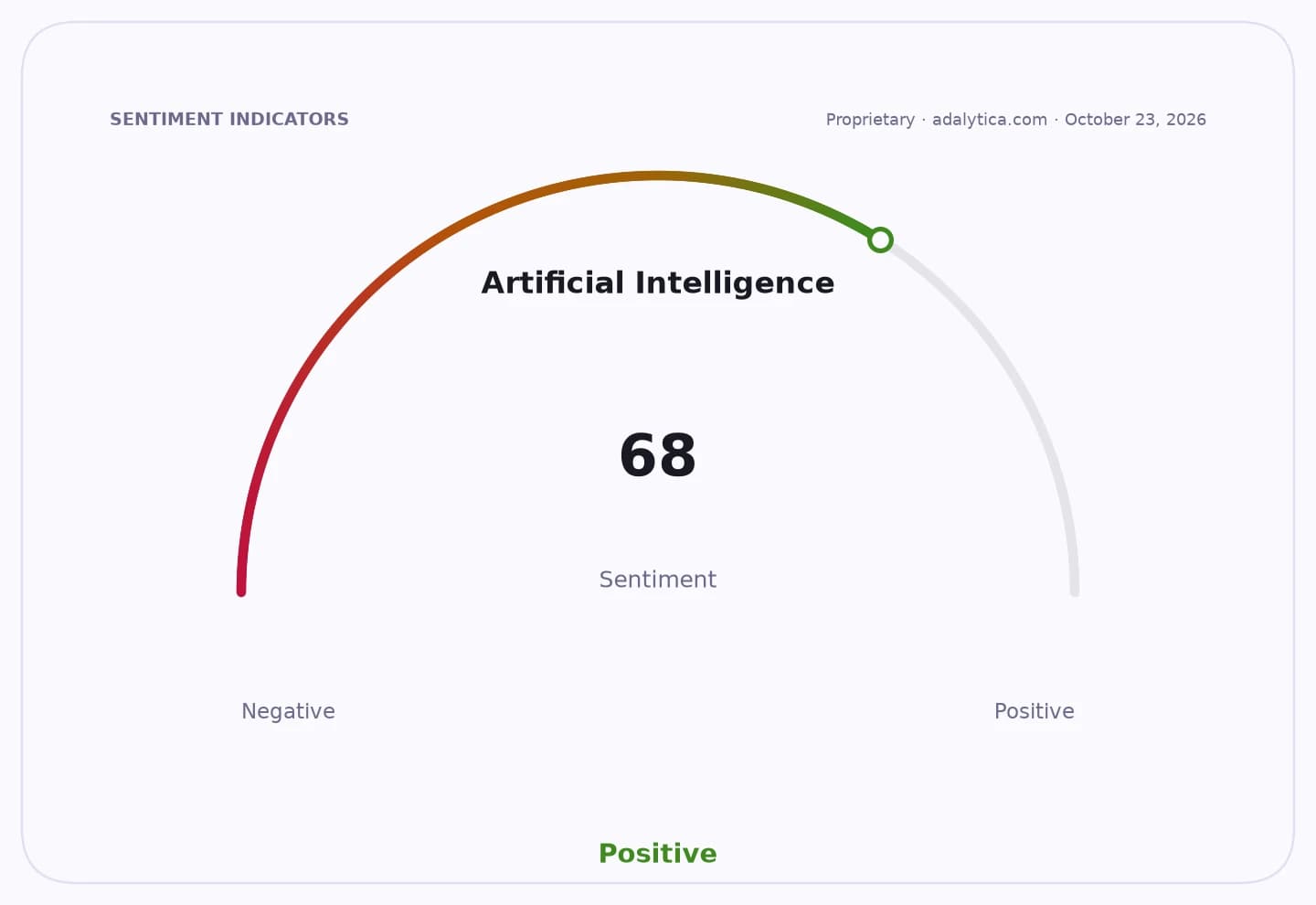
Sentiment IndicatorsⓘProprietary · adalytica.com · October 23, 2026
This is a snapshot — live sentiment, awareness and momentum for 130+ markets update continuously in the dashboard.Open AlphaPulse
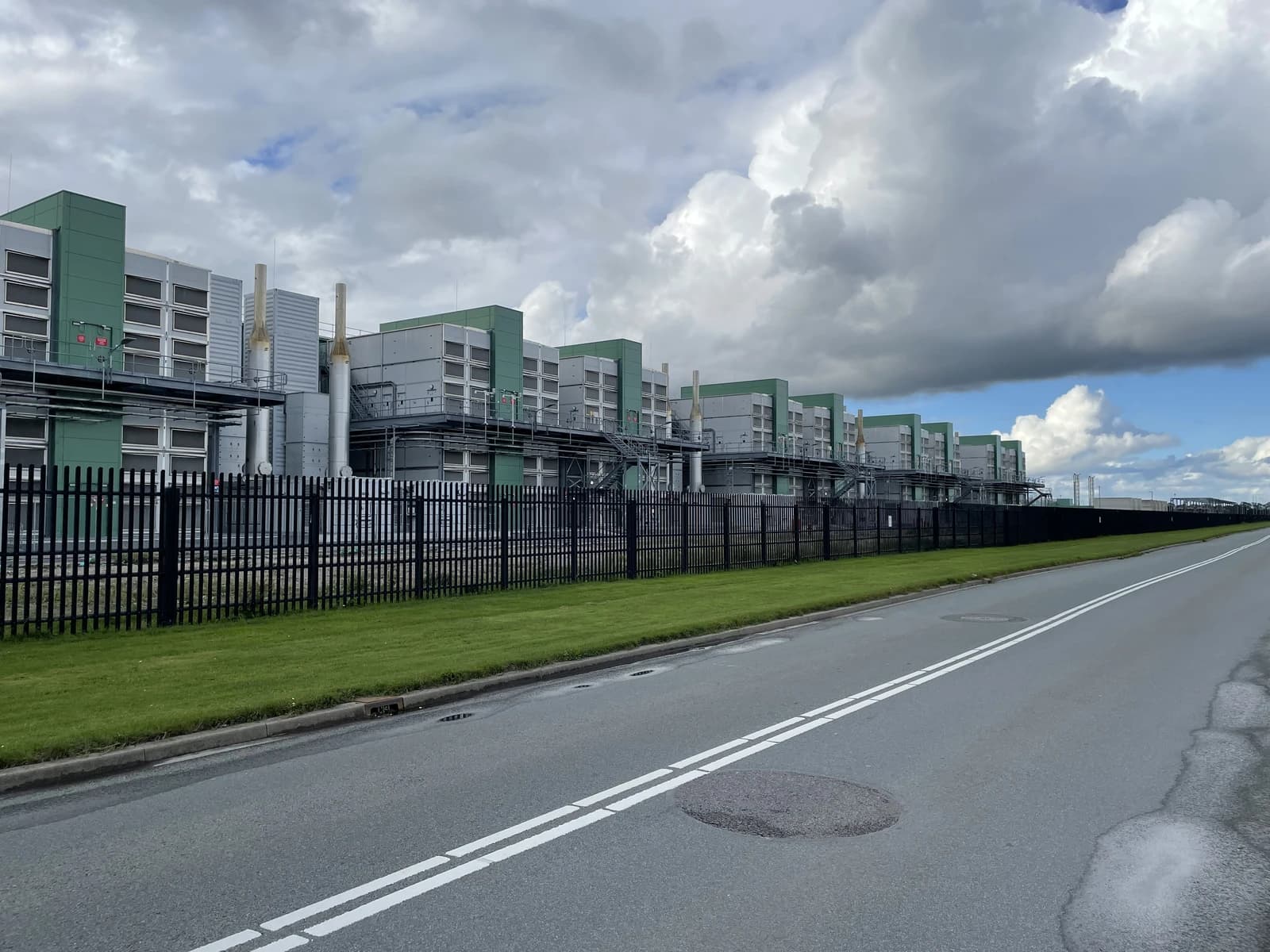
That makes the project economically significant for Indonesia as well. A 360-megawatt facility would be a major industrial load for Batam, pulling in construction work, grid investment, cooling systems and related services. For the government, the proposal fits a broader effort to turn the island into a regional digital hub. For Nvidia, it opens a route to monetize AI demand in a different way: not just through one-time chip sales, but through a model in which the company also benefits from cloud services sold onward to AI customers.
The structure is what investors should watch. Firmus Technologies of Australia and DayOne of Singapore are developing the campus with Nvidia, and the chips — from the Grace Blackwell family to Vera Rubin — are expected to be supplied through 2027 and 2028, with operations targeted for the first quarter of 2027. That kind of long-dated pipeline helps support visibility for Nvidia’s data center business, which already sits at the center of the company’s growth story.
It also matters because Nvidia has been steadily increasing its supply commitments to meet demand, even as the broader AI infrastructure trade has become more uneven. The company said in its latest filing that supply and capacity commitments had risen to $279 billion from $119 billion in the prior quarter, underscoring just how much capital is being locked into the AI buildout. For long-term investors, that is a sign that demand remains real, but it also raises the bar for execution, financing discipline and customer health across the ecosystem.
The market backdrop is mixed. Nvidia shares have pulled back from recent highs, and technical indicators such as the 50-day moving average and RSI readings show the stock has cooled from earlier momentum. But the bigger picture remains intact: AI infrastructure is still expanding globally, and the winners are increasingly the companies that can supply chips, power, networking and financing at scale. Microsoft, meanwhile, is still pouring money into AI infrastructure, while TSMC remains a critical enabler of the chip supply chain.
For investors, the Batam story is less about one project and more about the shape of the next phase of AI. The opportunity is not just in selling more silicon, but in embedding Nvidia deeper into the economics of data centers themselves. That is the kind of platform expansion that can compound for years — if demand keeps outrunning capacity. Long-term investors should keep Nvidia on the watchlist, while remembering that the AI buildout will reward patience, balance-sheet strength and diversification across the full stack.
| Entity | Gains | Losses |
|---|---|---|
| Nvidia | ▲More chip demand, recurring cloud revenue | ▼Greater execution risk |
| Indonesia/Batam | ▲Investment, jobs, infrastructure | ▼Power and land strain |
| Firmus/DayOne | ▲Access to scarce AI chips | ▼Financing pressure |
| Existing AI hubs | ▲Faster global buildout | ▼More competition for capital |