Thirty-seven Indonesian migrant worker candidates have completed palm oil training in North Kalimantan ahead of placements in Malaysia, underscoring how labor mobility is becoming a practical pressure valve for Southeast Asia’s plantation economy as producers seek reliable workers for a crop that remains central to regional exports and food inflation.
Indonesian palm oil workers trained for Malaysia
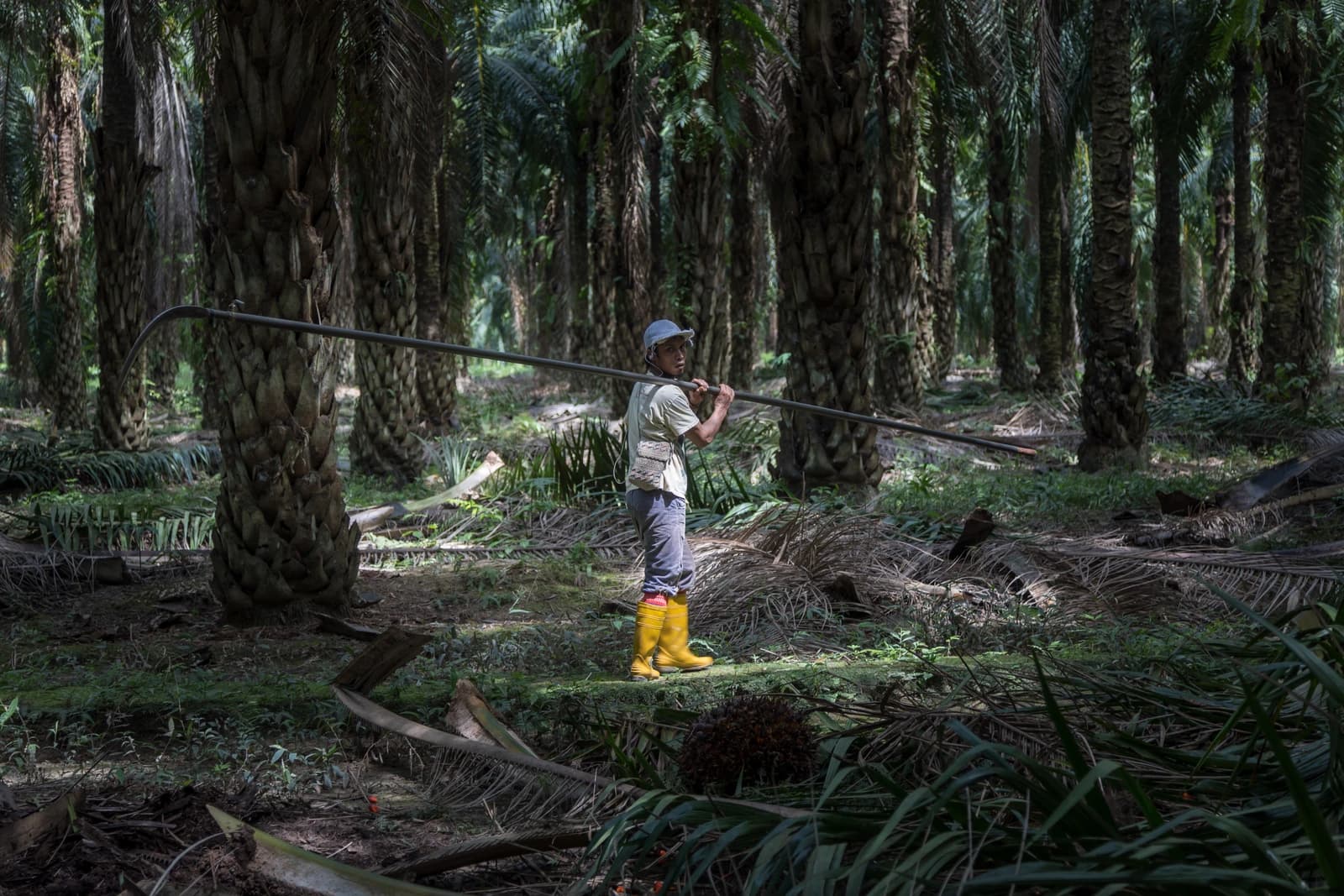
The program, facilitated by BP3MI Kaltara, matters because palm oil is a labor-intensive industry and shortages can quickly raise harvesting costs, disrupt output and squeeze margins across the supply chain. For Malaysia’s plantation operators, a steadier flow of trained workers can help protect yields and keep processing mills running. For Indonesia, the initiative offers a controlled pathway for overseas jobs while reducing the risk that untrained workers enter a sector where safety, productivity and compliance are material economic issues.
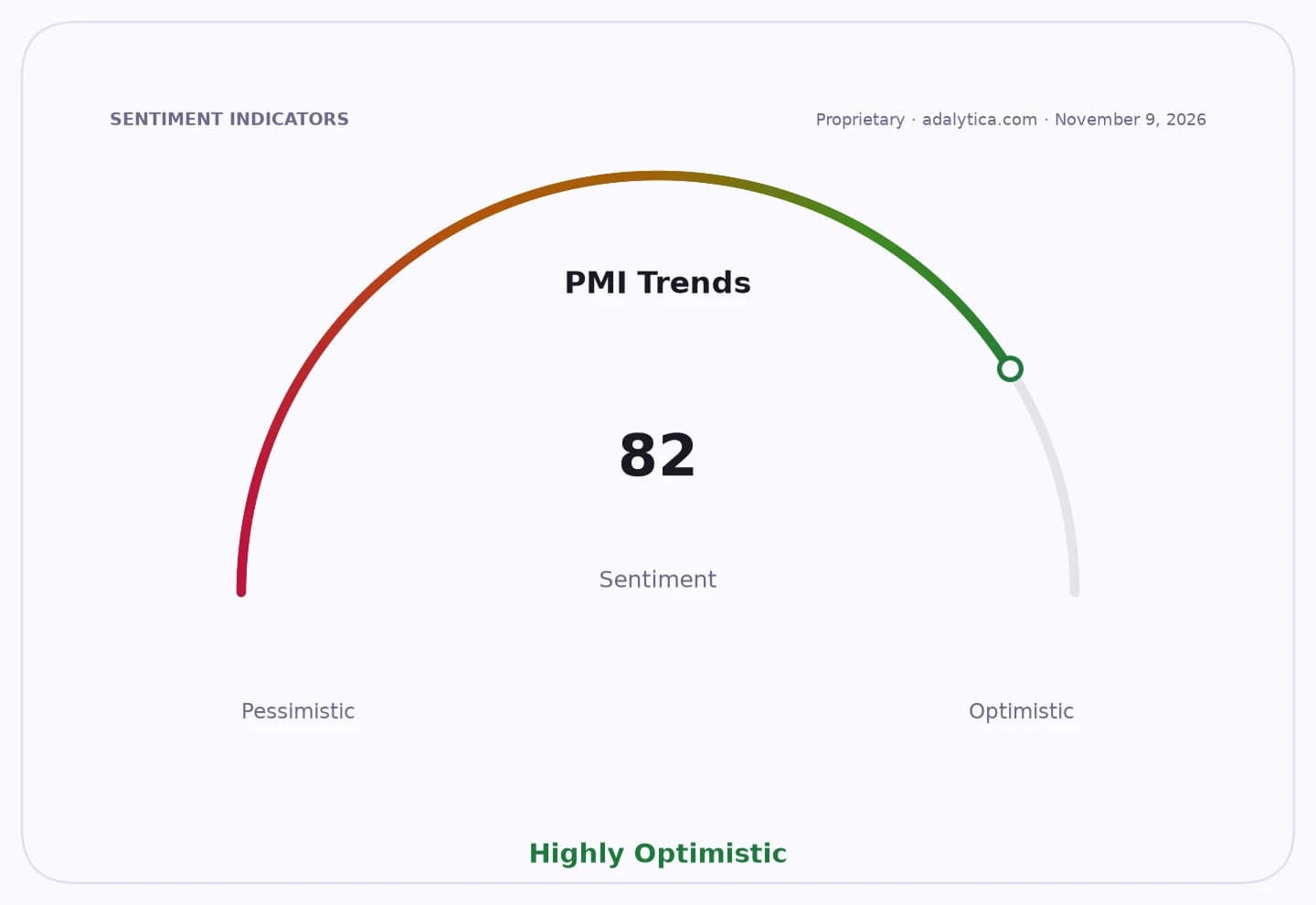
Sentiment Indicators
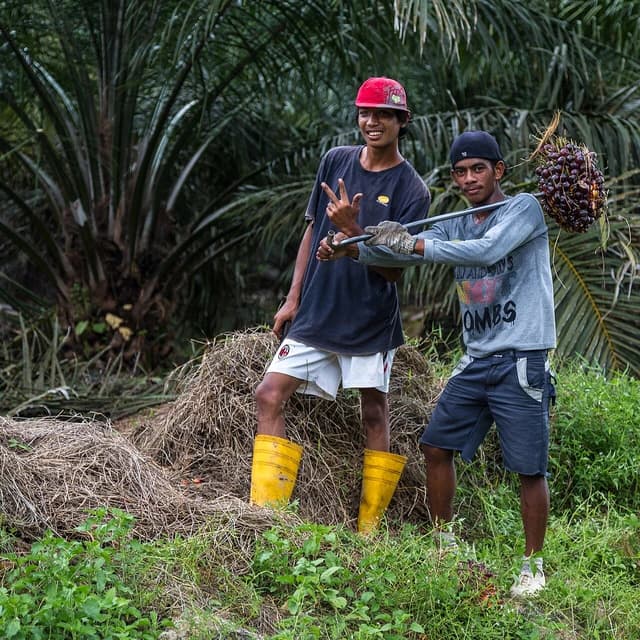
The timing is important. Palm oil markets have been under pressure from weak prices and recurring debate over supply discipline, land use and cartel allegations in the wider Indonesia-Malaysia trade corridor. In that setting, even a small pipeline of qualified workers is meaningful: it supports plantation productivity at a time when producers need lower unit costs more than ever. It also reflects how cross-border labor policy has become part of agricultural competitiveness, not just a social or migration issue.
Investors in plantation companies and related agribusinesses will see the development as modest in scale but strategically relevant. Labor availability affects harvest frequency, fresh fruit bunch collection rates and ultimately crude palm oil output, which then feeds into export revenues, refining margins and downstream pricing. If labor flows remain orderly, the benefit should accrue to plantation owners and processors through better operational consistency. If they remain constrained, the burden shifts to producers already facing price volatility and margin pressure.
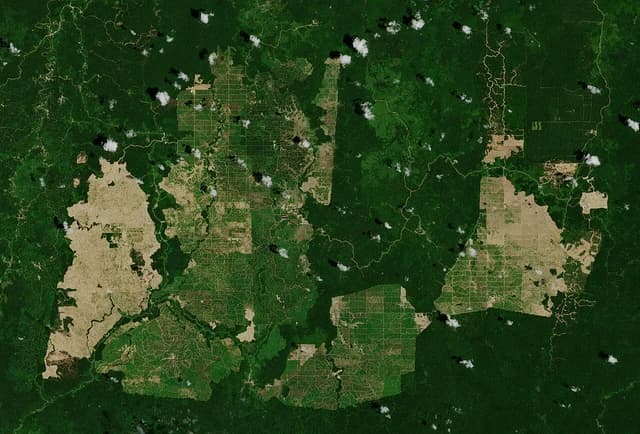
The broader narrative is that Southeast Asia’s palm oil industry is being forced to compete on productivity as much as acreage. Training workers before deployment is one of the least visible but most important tools for preserving output, especially as climate, regulation and trade scrutiny intensify. The immediate market impact is limited, but the policy direction is clear: governments are treating labor supply as part of the industrial infrastructure that keeps one of the region’s most important commodity sectors functioning.
| Entity | Gains | Losses |
|---|---|---|
| Malaysian plantation firms | ▲More reliable labor supply | ▼Higher productivity risk if shortages persist |
| Indonesian worker candidates | ▲Better job readiness and placement odds | ▼Untrained informal labor pathways |
| Palm oil producers | ▲Lower harvesting disruptions | ▼Margin pressure from labor bottlenecks |
| Competing low-cost exporters | ▲More stable supply chains | ▼Less advantage from worker scarcity |