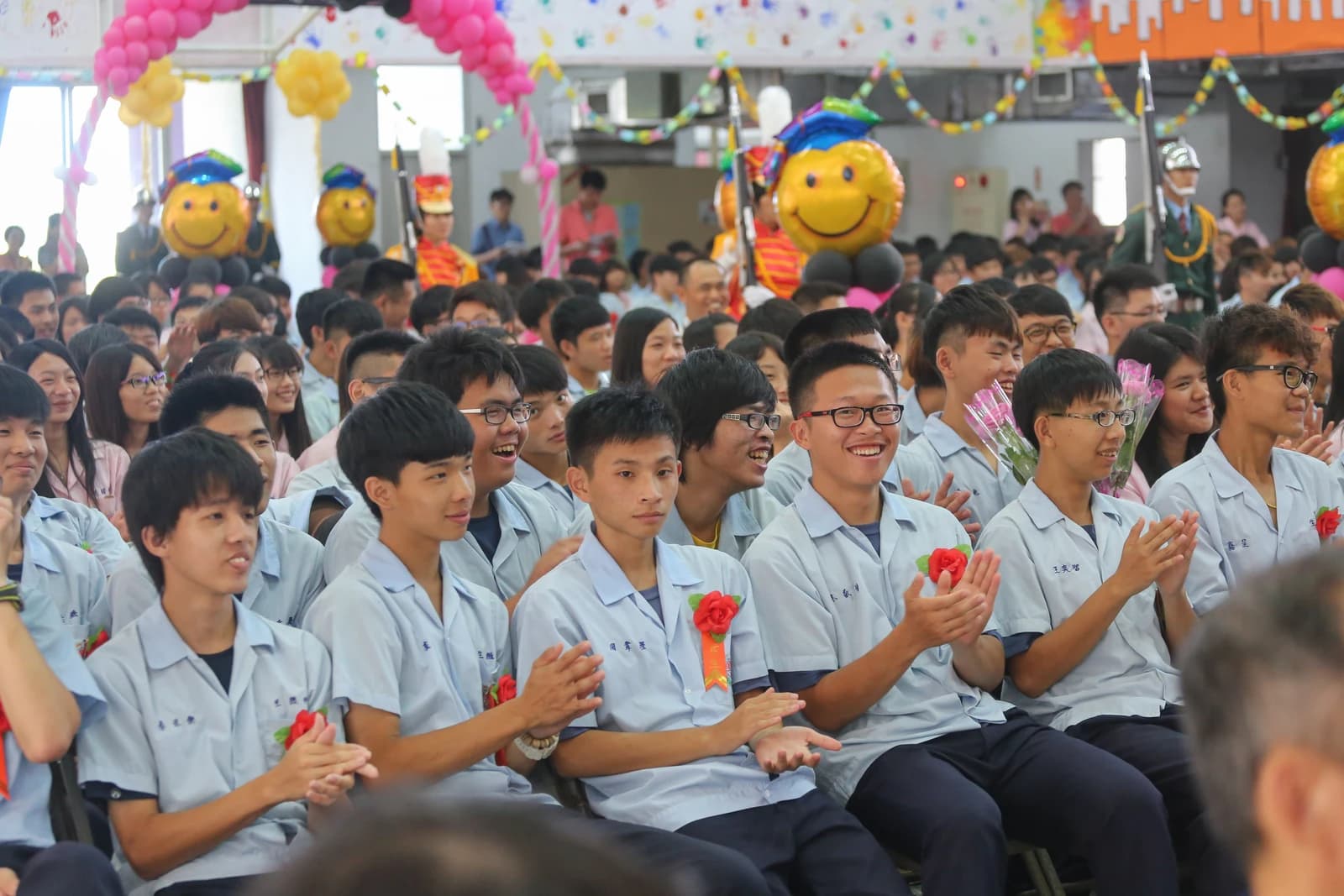
Indonesia’s fisheries ministry is sending 302 Ocean Institute of Indonesia graduates into overseas jobs, a sign that vocational training is being aligned more tightly with labor demand as automation, food security and higher-value seafood production reshape the sector.
Indonesia fisheries ministry sends 302 OII graduates abroad
The move matters economically because the global labor market is changing fast, and marine and fisheries work is no exception. The World Economic Forum expects 170 million new jobs to be created by 2030, even as 92 million roles are displaced and 39% of skills are forecast to change. For Indonesia, the ability to place trained workers abroad while upgrading domestic capabilities offers a dual payoff: remittance flows and tighter industry links at home.
The KKP, or Ministry of Marine Affairs and Fisheries, said the Ocean Institute of Indonesia, or OII, is being used as a platform to modernize vocational education so graduates can compete both nationally and internationally. The ministry is prioritizing closer ties with industry, curriculum alignment, practice-based training and joint research with business partners. That is a notable shift for a sector long defined by labor intensity rather than technology, and one that increasingly needs workers trained in processing, quality standards, supply chains and automation.
The 302 overseas placements scheduled for 2026-2027 are concentrated in markets with steady demand for fisheries labor, led by Japan with 231 graduates, followed by Taiwan with 53, South Korea with 10, Brunei with one and Suriname with six. Another 61 graduates were formally dispatched at the VOGA 2026 event in Jakarta, including 44 for capture fisheries, seven for aquaculture and 10 for fish processing. The ministry also signed agreements with 13 industry partners and one university, widening the pipeline from training to employment.
The broader economic rationale is straightforward: global seafood production reached 223 million tons in 2022, according to FAO data cited by the ministry, and aquaculture accounted for 51% of that total. As the industry shifts toward farming, downstream processing and traceability, countries that can supply workers with the right technical skills stand to capture more value. That is particularly relevant for Indonesia, which is trying to build out its own fisheries and food-security agenda.
For investors and employers, the story is less about the 302 graduates themselves than about what they represent: a more deliberate effort to turn vocational schools into labor-market intermediaries. If the model scales, it could improve employability, raise productivity in fisheries and related manufacturing, and support Indonesia’s push into modern aquaculture and fish processing. The risk is that training reforms lag industrial change, leaving graduates with credentials that are exportable abroad but not yet fully matched to domestic industrial upgrading.
| Entity | Gains | Losses |
|---|---|---|
| OII graduates | ▲Overseas job access | ▼Local underemployment risk |
| KKP / OII | ▲Stronger placement record | ▼Pressure to keep curricula current |
| Seafood employers in Japan, Taiwan, South Korea | ▲Skilled labor supply | ▼Higher recruitment competition |
| Indonesia’s fisheries sector | ▲Better-trained workforce pipeline | ▼Short-term loss of talent to overseas jobs |