South Korea’s vocational high school employment rate rose to 55.8% in 2026, rebounding for the first time in four years, while the share of graduates landing jobs at companies with 300 or more employees climbed for a fifth straight year.
South Korea vocational school job rate rises to 55.8%
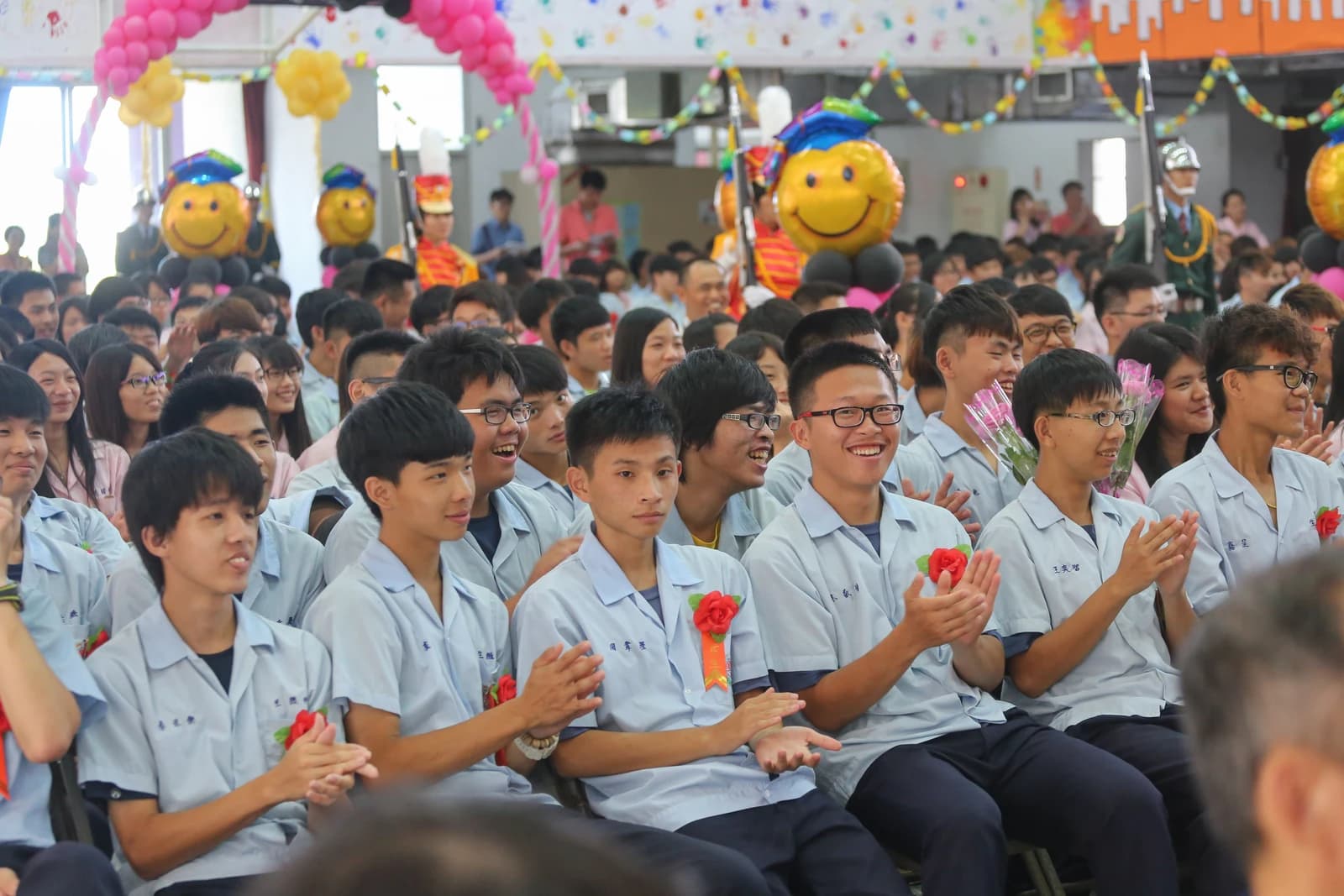
The improvement matters because vocational schools are a key pipeline for manufacturing, services and regional employers that depend on job-ready entry-level labor. A stronger placement rate, especially into larger firms, suggests employers are still hiring trained young workers even as broader youth job prospects remain weak.
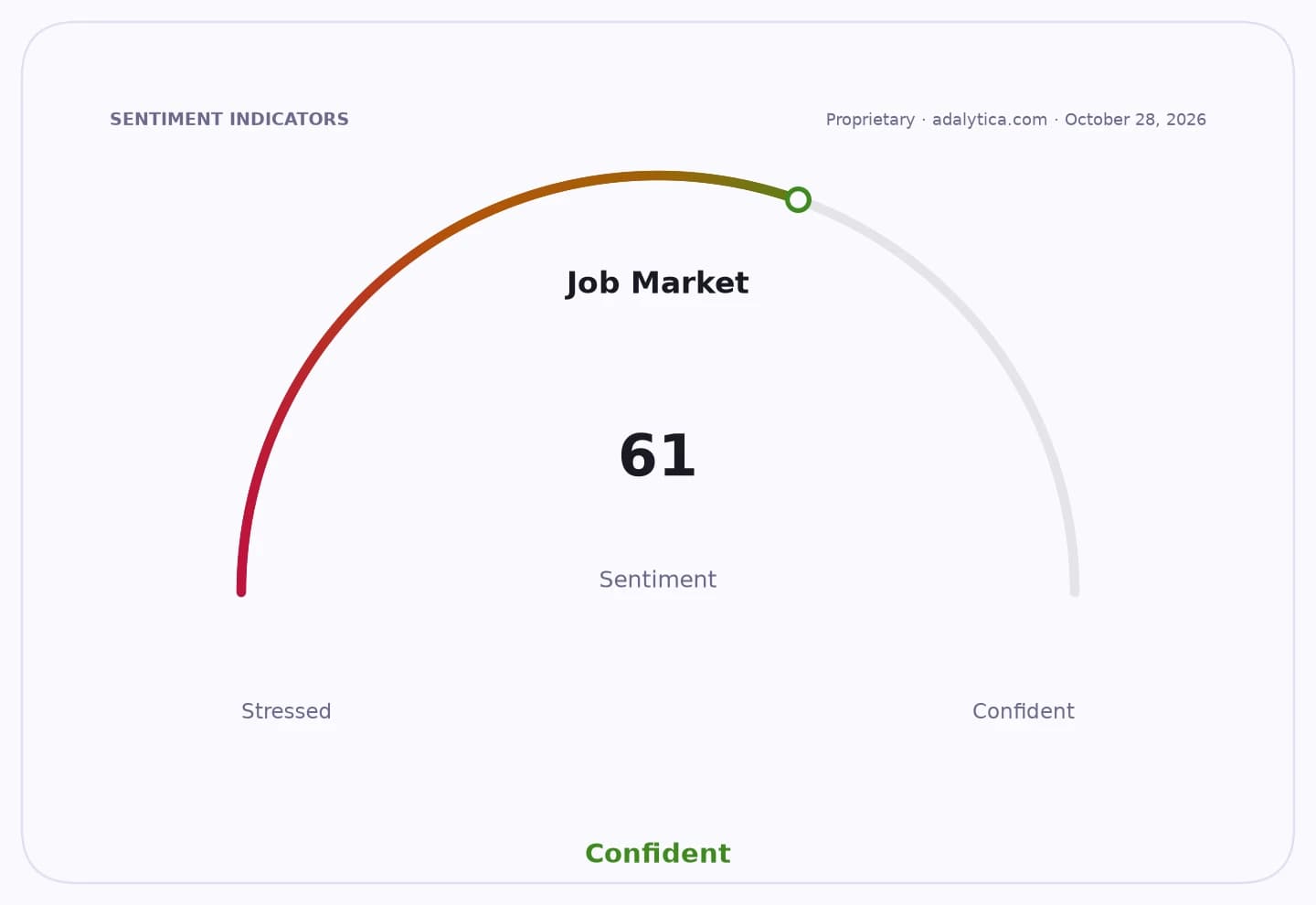
Sentiment Indicators
The Education Ministry and Korea Educational Development Institute said 16,209 of 63,038 vocational high school graduates were employed this year, while 31,017 went on to higher education. The employment rate, calculated after excluding those entering school, the military or other non-work categories, edged up 0.6 percentage point from a year earlier after sliding for three consecutive years.
Almost half of graduates, or 49.2%, chose further study rather than work, underscoring how Korea’s education-to-employment funnel still channels many students away from immediate labor-market entry. The share of graduates who were neither employed nor enrolled fell to 20.3%, which the ministry said reflected more students deciding their next step before graduation.
The quality of jobs also improved. The share of graduates employed by companies with at least 300 workers increased to 38.4%, extending a five-year rise, while the proportion landing jobs at firms with 1,000 or more employees reached 28.3%. That shift is important for investors because larger employers typically offer higher pay, better retention and more stable hiring, helping support consumer spending and easing turnover pressures.
Retention data were mixed but still pointed to a firmer footing. Of graduates tracked from last year, 82.2% were still employed after six months, down slightly from a year earlier, while the 12-month retention rate rose to 68.9%.
By school type, Meister high schools posted the strongest employment rate at 71.8%, followed by specialized vocational schools at 53.6% and general high school vocational tracks at 37.8%. Regionally, Daegu, North Gyeongsang, Daejeon and Ulsan were among the areas that beat the national average, reinforcing the role of vocational graduates in supporting regional industry.
The ministry said the rebound in employment comes despite a tough youth labor market and called the rise in big-company placements a sign of improving job quality. The next test will be whether the gain holds into next year as broader hiring conditions and graduate retention continue to stabilize.
| Entity | Gains | Losses |
|---|---|---|
| Vocational high school graduates | ▲Higher job rate | ▼Weakly attached entrants |
| Large employers | ▲Better access to skilled hires | ▼Smaller firms losing share |
| Regional economies | ▲More local talent retained | ▼Students delaying labor-force entry |
| Investors in industrial labor providers | ▲Stable hiring demand | ▼Firms facing wage/retention pressure |