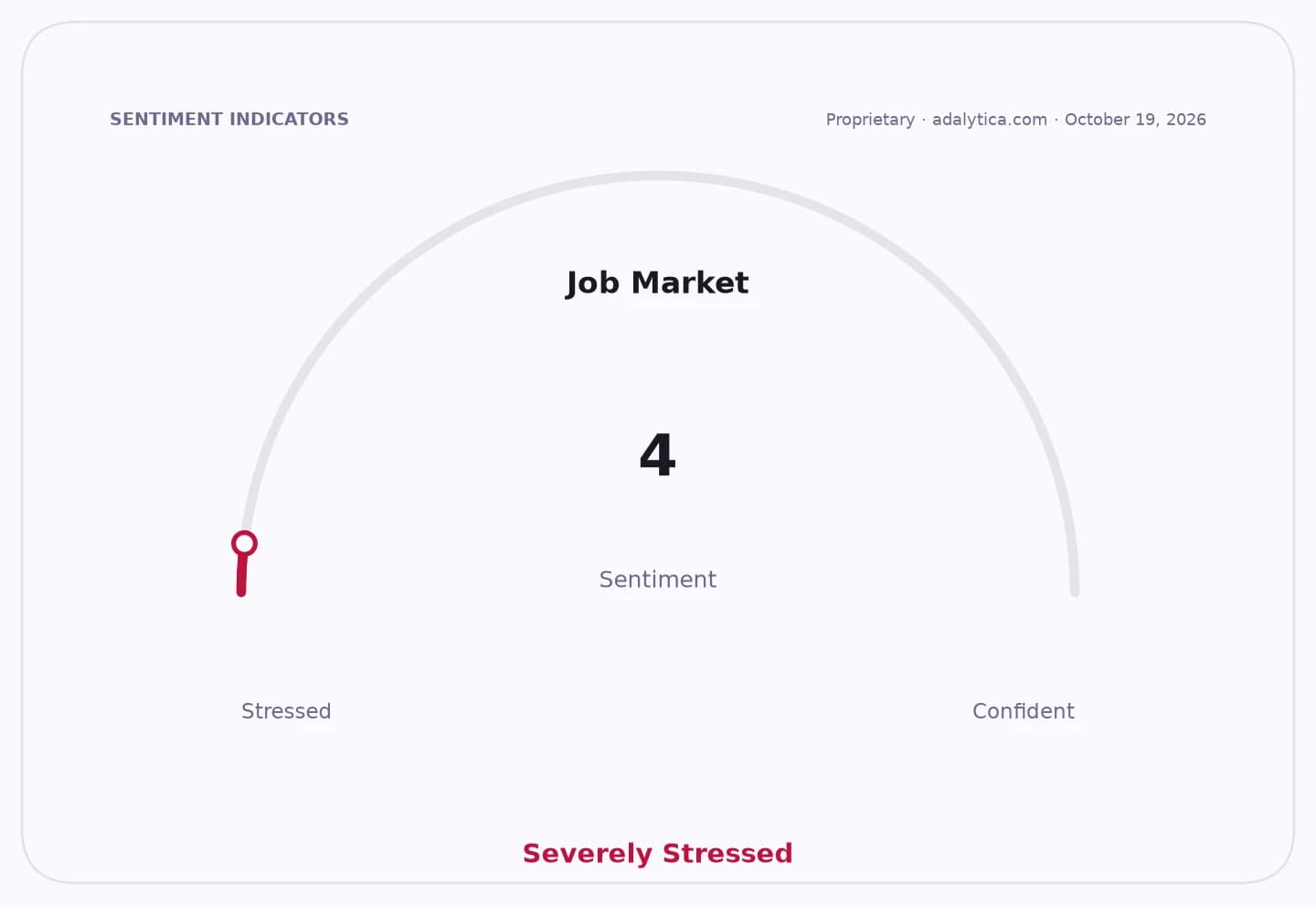
South Korea’s labor market extended its recovery in September, with employment rising 113,000 from a year earlier, but the headline improvement masks a more fragile economy beneath the surface: manufacturing finally stopped shrinking, while youth hiring and domestic-service jobs remained under heavy pressure.
South Korea Manufacturing Jobs Rise in September
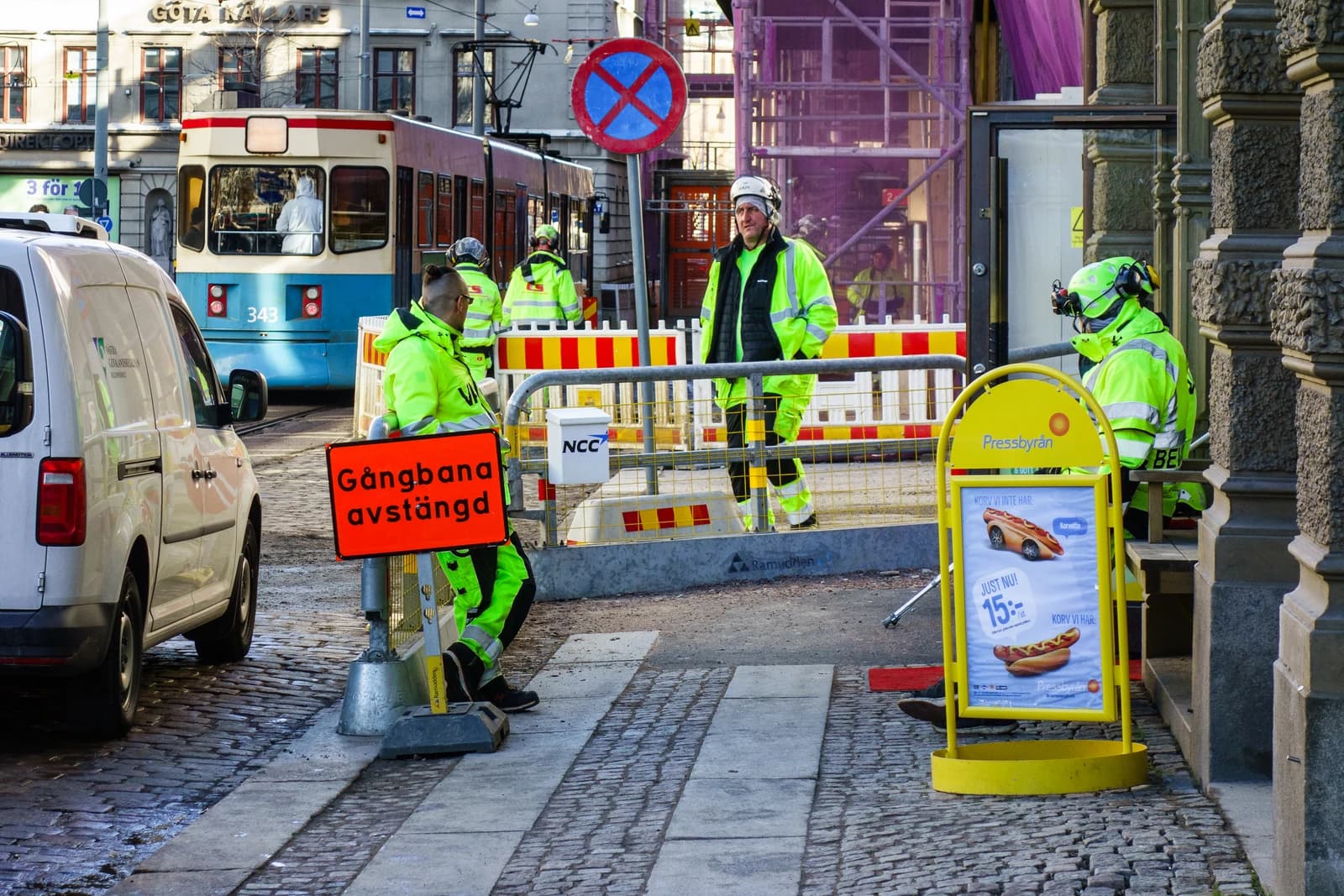
That split matters because it points to an economy that is stabilizing through industry and export-linked activity, not broad-based domestic demand. For investors, that is a very different signal from a consumer-led rebound. It supports industrial names tied to production, automation and trade, but it also says the household-demand engine remains subdued, keeping pressure on retailers, restaurants, hospitality and other consumer-facing businesses.
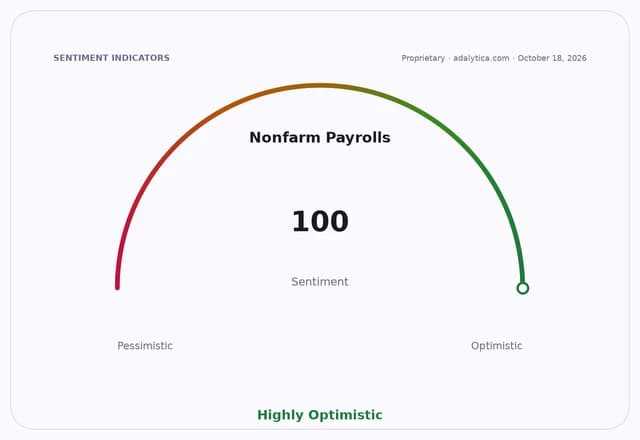
The gain kept South Korea’s job growth above 100,000 for a third straight month after a brief contraction in May. The employment rate for people aged 15 to 64 rose to 70.6%, while the broader rate for those 15 and older slipped to 63.5%, underscoring how uneven the labor market remains.
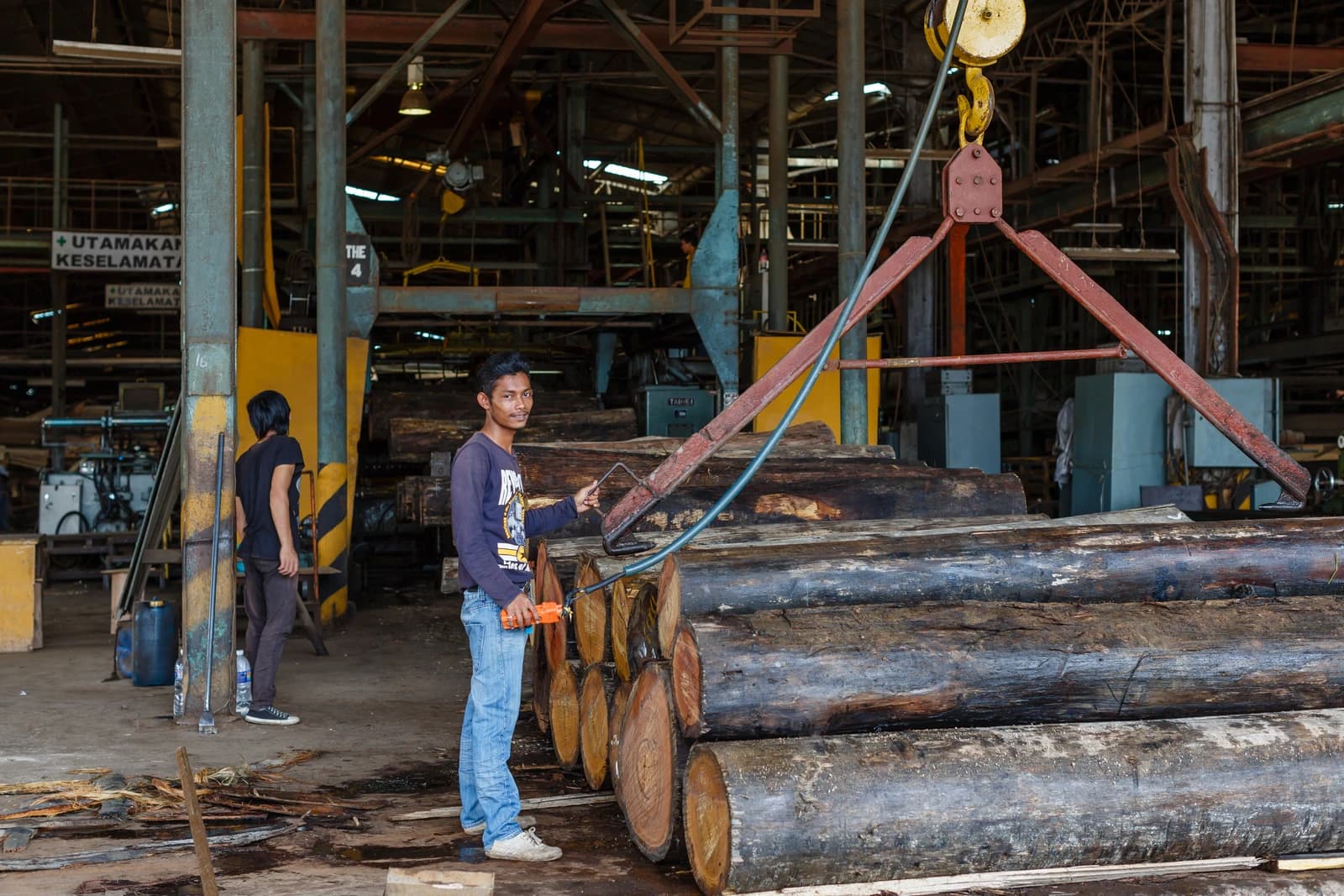
The most important development was manufacturing. After 26 straight months of declines, manufacturing employment rose by 16,000, the first increase since June 2024. That is a meaningful inflection point for Asia’s fourth-largest economy, where industrial output and exports remain central to growth. It also suggests the worst of the manufacturing downcycle may be behind the economy, even if the recovery is still tentative.
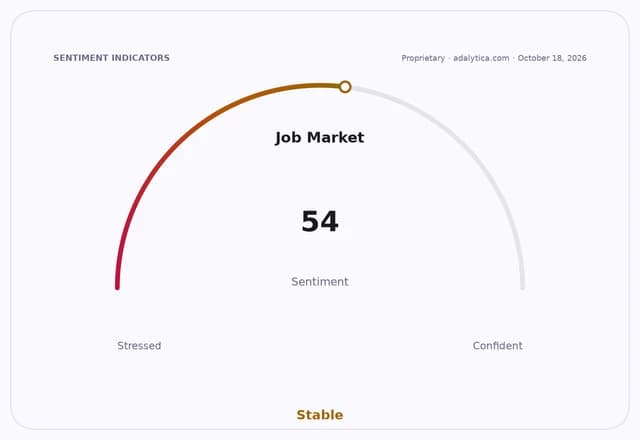
Construction, by contrast, is still a drag. Jobs in the sector fell by 48,000, worsening from the prior month, while accommodation and food services shed 97,000 positions, the biggest drop since early 2021. That combination shows domestic demand is not yet strong enough to absorb labor in labor-intensive services or offset the weakness in building activity.
The weakest link remains young workers. Employment among those aged 15 to 29 fell by 147,000, marking the 47th straight monthly decline. The youth employment rate dropped to 44.0%, while youth unemployment rose. That matters well beyond social policy: weak entry-level hiring keeps income growth soft, restrains consumption and leaves the recovery more dependent on large manufacturers and export-oriented firms than on the broad domestic economy.
For markets, that makes South Korea’s industrial complex more interesting than its consumer space. The rebound in factory hiring is a constructive read-through for steel, machinery, capital goods and exporters, especially if global trade and semiconductor-related demand continue to firm. It also reinforces the case for infrastructure and manufacturing automation themes, where companies can gain from productivity investment even when end-market growth is patchy.
Equity traders will also note that the labor data align with a cautious but improving tone in industrial exposure. The iShares MSCI South Korea ETF and major Korea industrial names are likely to remain tethered to export momentum more than to household demand. The message from September is clear: the recovery is real, but it is narrow.
The next test is whether manufacturing hiring can broaden into a sustained upcycle or whether the improvement stalls while construction and youth employment continue to deteriorate. If the industrial rebound holds, the winners will be exporters, equipment makers and materials suppliers. If not, the economy risks a low-growth pattern in which headline job gains conceal a still-fragile domestic base.
| Entity | Gains | Losses |
|---|---|---|
| South Korean manufacturers | ▲Hiring stabilizes | ▼None |
| Exporters and industrial suppliers | ▲Better production demand | ▼Domestic-demand stocks |
| Construction firms | ▲None | ▼More layoffs |
| Youth job seekers | ▲None | ▼Fewer entry-level openings |