New CO2 infrastructure planned for Klaipėda is set to increase demand for engineers, logisticians and environmental specialists as Lithuania moves to build out a carbon-capture chain that industry says is still short of key skills.
Klaipėda CO2 Terminal Plan Raises Skills Demand
The most immediate economic impact is on labor supply. The proposed CO2 transshipment terminal in Klaipėda, coordinated by KN Energies through the CCS Baltic Consortium, would become a link in a regional system that collects emissions from industrial users in Lithuania and Latvia and ships them for long-term storage beneath the North Sea.
That matters because carbon capture and storage is no longer a niche engineering exercise for heavy industry; it is increasingly tied to competitiveness, compliance and access to future markets. For cement, chemicals and other hard-to-abate sectors, the ability to capture and move CO2 can help preserve output while meeting tightening climate requirements.
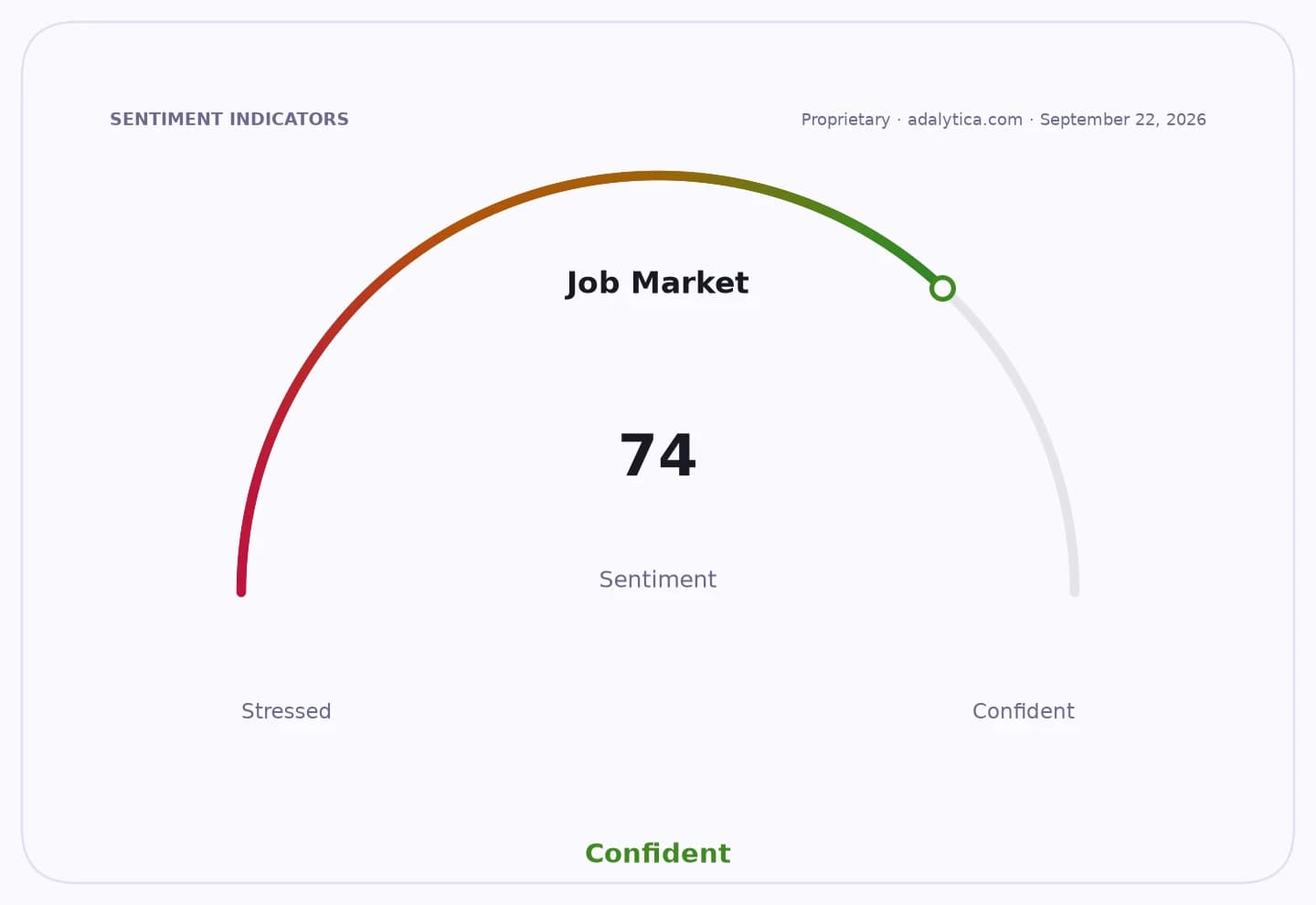
KN Energies says the project will need a different mix of talent depending on the phase. During development, the key gaps are in project management, process engineering, energy systems, environmental assessment, land-use planning, permitting and international regulation. Once operating, demand should shift toward process engineers, automation and control specialists, marine logistics experts, terminal operators, maintenance and safety staff, and data analysts.
Klaipėda University officials say the education system is not starting from zero, but some of the required capabilities have not previously been in high demand. The university says existing courses already cover pressure equipment, pipelines and terminal and process control, suggesting the workforce challenge is less about creating entirely new professions than broadening current engineering tracks.
That is important for investors because projects like this do not just create jobs at the terminal. They pull in contractors, logistics providers, engineering firms, software specialists and training institutions, while also reinforcing Klaipėda’s pitch as an industrial and maritime hub. If the talent pipeline fails to keep up, costs rise and project timelines slip.
The wider story is a familiar one across infrastructure-heavy economies: capital is ready to move into energy transition projects, but the bottleneck is often not financing or permits, it is people. As Lithuania and its neighbors push ahead with CCS and other energy assets, universities and employers will need to cooperate earlier to avoid a shortage of specialists becoming a drag on delivery.
| Entity | Gains | Losses |
|---|---|---|
| KN Energies / CCS Baltic Consortium | ▲project relevance | ▼staffing pressure |
| Klaipėda region | ▲high-value jobs | ▼skills gap risk |
| Universities / vocational schools | ▲new curricula demand | ▼must adapt faster |
| Heavy industry | ▲future emissions route | ▼higher execution costs if delayed |