Indonesia’s regional governments are turning innovation awards into an economic policy tool, with Sumatra provinces highlighting projects aimed at food security, inflation control and higher-value agricultural processing.
Indonesia regions promote food and agro-processing programs
At the center of the latest Innovative Government Award 2026 event was a clear message: local administrations are trying to convert commodity abundance into broader income and resilience. South Sumatra is positioning its “Kampung Patin” program as part of a drive to strengthen its status as a food barn while deepening fish production, and West Sumatra is promoting a plan to process oil-palm trunks into brown sugar, an effort to extract value from agricultural waste.
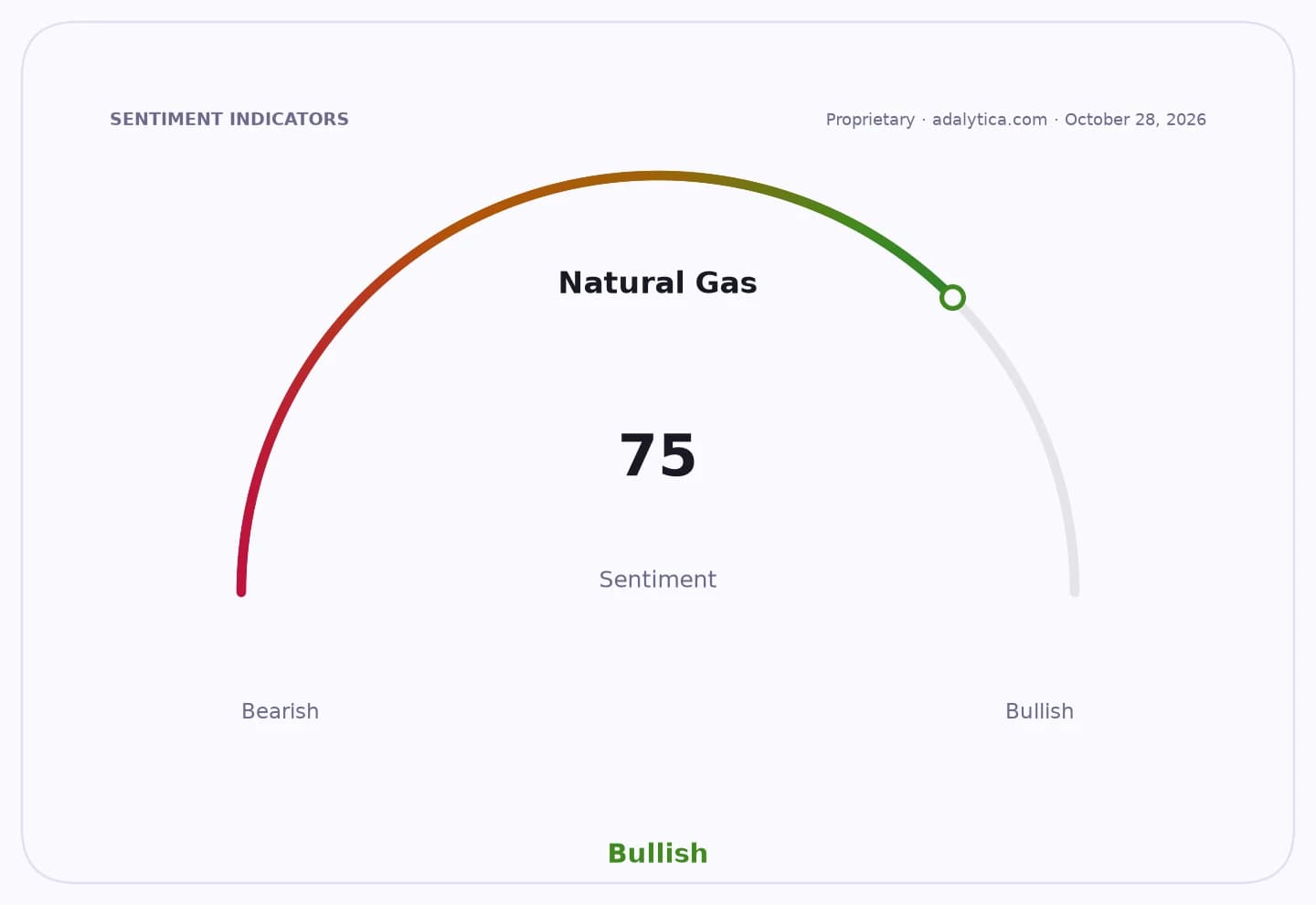
Sentiment Indicators
The stakes are economic, not just ceremonial. In a country where regional inflation and food logistics remain sensitive to supply shocks, local production schemes can help cushion households and reduce dependence on outside supplies. South Sumatra Governor Herman Deru said the province’s food-mandate program has been used to help control inflation by shifting communities from consumption to production. He said more than 40,000 residents are involved, underscoring that the project is not a niche pilot but a labor-intensive rural development model.
The numbers behind the fish initiative give it some weight. Ogan Komering Ulu Timur reportedly accounts for more than half of South Sumatra’s patin production, with output of about 47,000 tons. That gives the province a meaningful base for downstream processing, household incomes and local trade, while also making patin a strategic commodity rather than a purely local specialty.
West Sumatra’s “Lameh” program points to a different economic logic: monetizing what is usually discarded. By turning palm trunks into brown sugar, the province is trying to create a new small-industry value chain around an existing plantation ecosystem. If successful, the model could reduce burning of unused trunks, add income for farmers and create a more diversified rural food-processing sector.
For investors and agribusiness players, the significance is less about immediate market impact than about policy direction. Indonesia is signaling that future regional growth will increasingly be judged by productivity, value addition and inflation management rather than headline project counts. That is relevant for processors, logistics providers, farm-input suppliers and plantation-linked businesses, which could benefit if local governments scale up similar schemes into procurement, cooperative and downstream manufacturing programs.
There are limits. These projects still need capital, technology, quality control and distribution networks to move from showcase status to repeatable business models. But the broader narrative is clear: regional governments are trying to turn agricultural endowments into measurable economic capacity, and that makes food systems and agro-processing a more important part of Indonesia’s development story.
| Entity | Gains | Losses |
|---|---|---|
| South Sumatra farmers and fishers | ▲Higher patin demand | ▼Lower idle capacity |
| West Sumatra small processors | ▲New brown-sugar product | ▼Wasteful palm-trunk burning |
| Regional governments | ▲Inflation-control tools | ▼Reliance on imports |
| Agribusiness and logistics firms | ▲Downstream growth opportunities | ▼Status quo commodity trade |