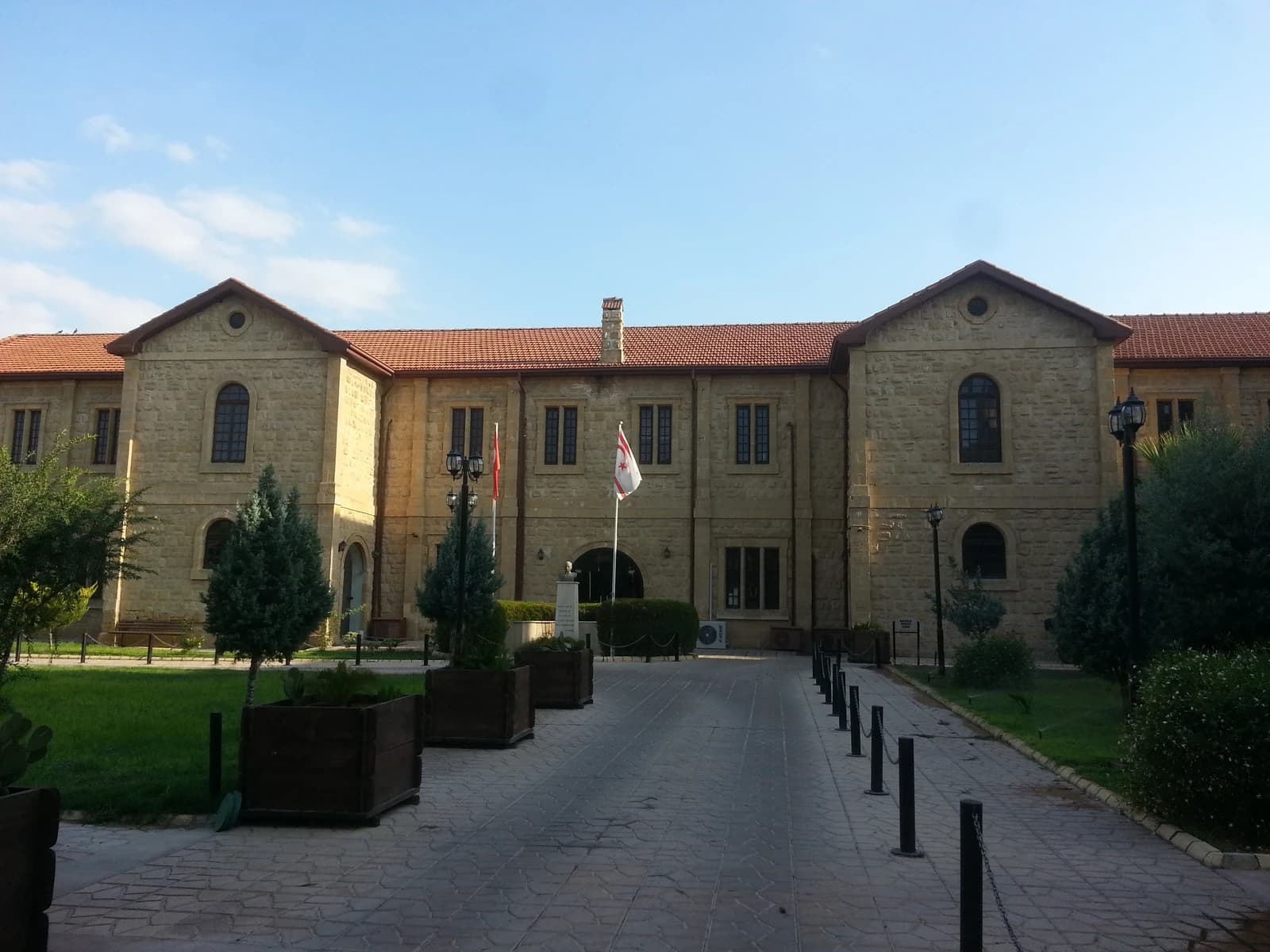
PNM’s Lansiapreneur program is turning elderly care into a modest but telling economic model, giving residents of a Depok nursing home work, routine and a share in the output from laying hens and tilapia fish.
PNM Lansiapreneur Program Expands Elder Care Work
That matters because the program shows how Indonesia’s state-backed microfinance ecosystem is broadening beyond loans and into social productivity, a direction that can deepen community resilience while creating new demand for ultra-local food production, feed, equipment and care services. For PT Permodalan Nasional Madani, the initiative also reinforces a brand built on inclusion, a useful asset in a market where development finance is increasingly judged by measurable social impact as much as lending volume.
The set-up at Panti Werdha Muslim Rumah Oma in West Java is simple: residents help feed chickens, collect eggs, tend fish and then consume part of the harvest themselves. For the elderly participants, the value is less about output than about structure and dignity. PNM chief executive Kindaris said the company wants older people to keep creating, not just receive aid, framing the program as a way to keep them active and productive.
For investors, the story is less about immediate earnings and more about the direction of policy and capital in Indonesia. State-owned enterprises and development institutions are under pressure to show that social programs can generate lasting economic utility. That favors operators with reach into micro and small enterprises, rural logistics and community financing. It also points to a broader theme: in emerging markets, “inclusive growth” is becoming a platform for business models that blend welfare, nutrition and local entrepreneurship.
The market’s real mispricing may be in underestimating how these programs scale. If PNM expands similar initiatives across its network, it could strengthen customer loyalty, broaden engagement with micro-entrepreneurs and create a template for low-cost, high-visibility impact investing. The next catalyst will be whether this remains a one-off community project or evolves into a repeatable model tied to livelihoods, small food production and local enterprise development.
Actionable takeaway: investors should watch Indonesia’s state-linked microfinance and social-impact ecosystem for companies that can monetize inclusion, because the next growth runway may come not from pure lending volume, but from embedded community platforms that turn social programs into durable economic networks.
| Entity | Gains | Losses |
|---|---|---|
| PNM | ▲Social-impact credibility | ▼None immediate |
| Elderly residents | ▲Activity and income-like utility | ▼Passive care only |
| Local food micro-suppliers | ▲Small demand boost | ▼Big agribusiness scale advantage |
| Investors in impact themes | ▲New investment narrative | ▼Skeptics of non-financial returns |