Bulog’s Yogyakarta arm has already bought 217,000 tons of rice from local farmers through October, a haul that tops its full-year target and underscores how aggressively Indonesia is building food stocks to keep prices and supplies steady.
Bulog Yogyakarta Buys 217,000 Tons of Rice
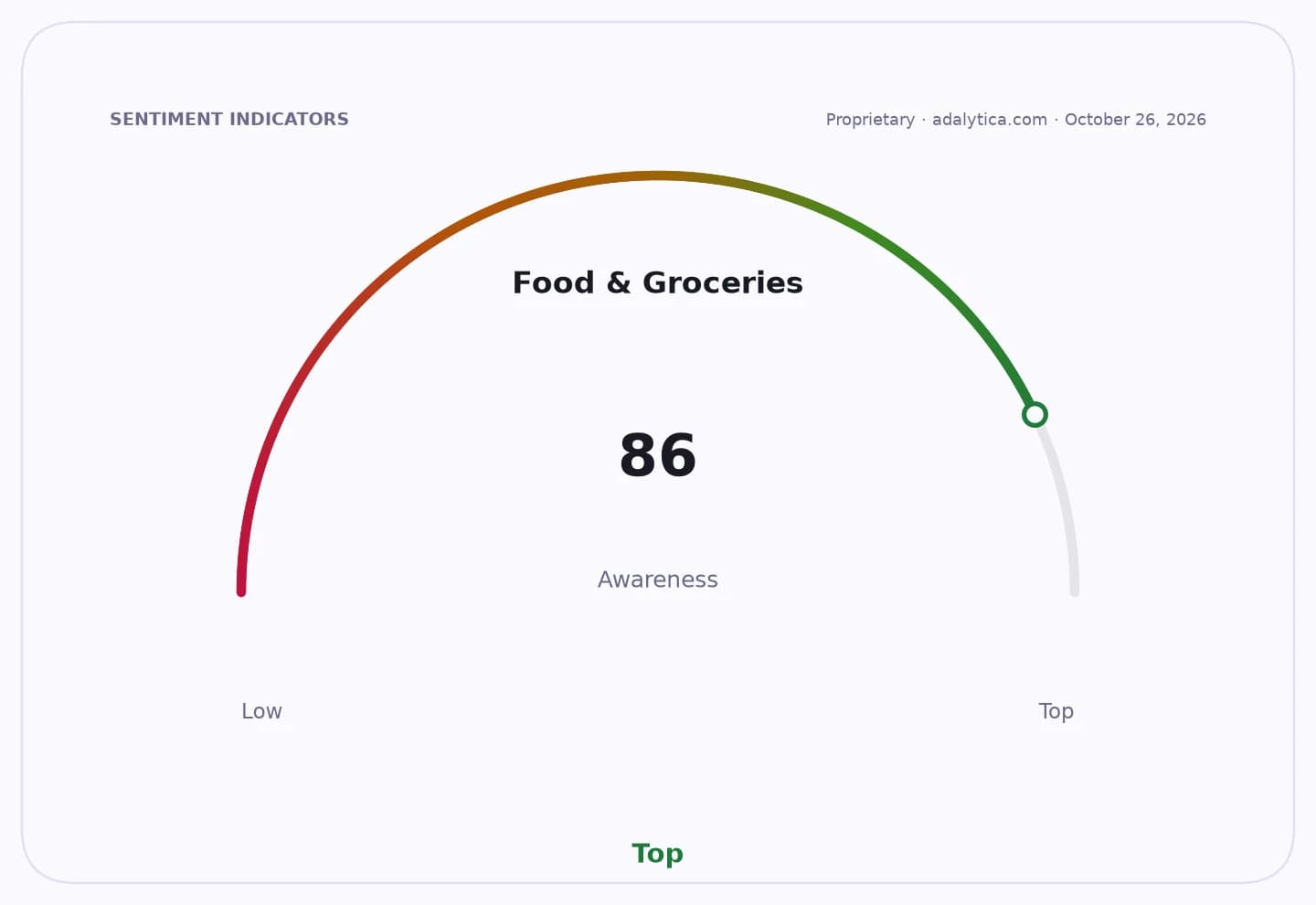
Food & Groceries
That matters because rice is not just another commodity in Indonesia; it is the country’s most politically sensitive staple. When state buyers can absorb that much of a local harvest, it helps steady farm incomes, supports government food aid programs and reduces the risk of shortages or price spikes that can ripple through household budgets. In this case, Bulog said the volume exceeded its initial 165,000-ton target, and 5,000 tons have already been shipped to Kalimantan to reinforce supply elsewhere.
Sentiment Indicators
For investors, the story is less about a single regional procurement figure and more about the broader message: Indonesia is leaning harder on state intervention to manage food security. That can be supportive for rural economies and agricultural infrastructure, but it also shows how vulnerable the market remains to supply-chain distortions, bad weather and distribution abuses. Recent enforcement actions in East Java against rice irregularities only reinforce why official stockpiling and tighter oversight are becoming central to the rice trade.
The local impact is also telling. Bulog said all of the rice it absorbed from farmers in the province is being channeled into the government’s food assistance program for low-income households, meaning the state is effectively converting local harvests into a public safety net. That helps explain why policymakers and lawmakers have praised the effort: it links farm support, food inflation control and social stability in one move.
The longer-term takeaway is straightforward. If Indonesia can keep expanding domestic absorption, improve farming support and tighten distribution, it strengthens the case for a more resilient food system. For investors in agriculture, logistics, consumer staples and related supply chains, that is a trend worth watching closely over the next several years.
| Entity | Gains | Losses |
|---|---|---|
| Bulog DIY | ▲Bigger stockpile, stronger mandate | ▼Operational pressure |
| Local rice farmers | ▲Reliable buyer, price support | ▼Less exposure to open-market upside |
| Low-income households | ▲Better food-aid supply | ▼Fewer shortages avoided |
| Shadow distributors / rice middlemen | ▲Tighter oversight | ▼Arbitrage and irregular gains |