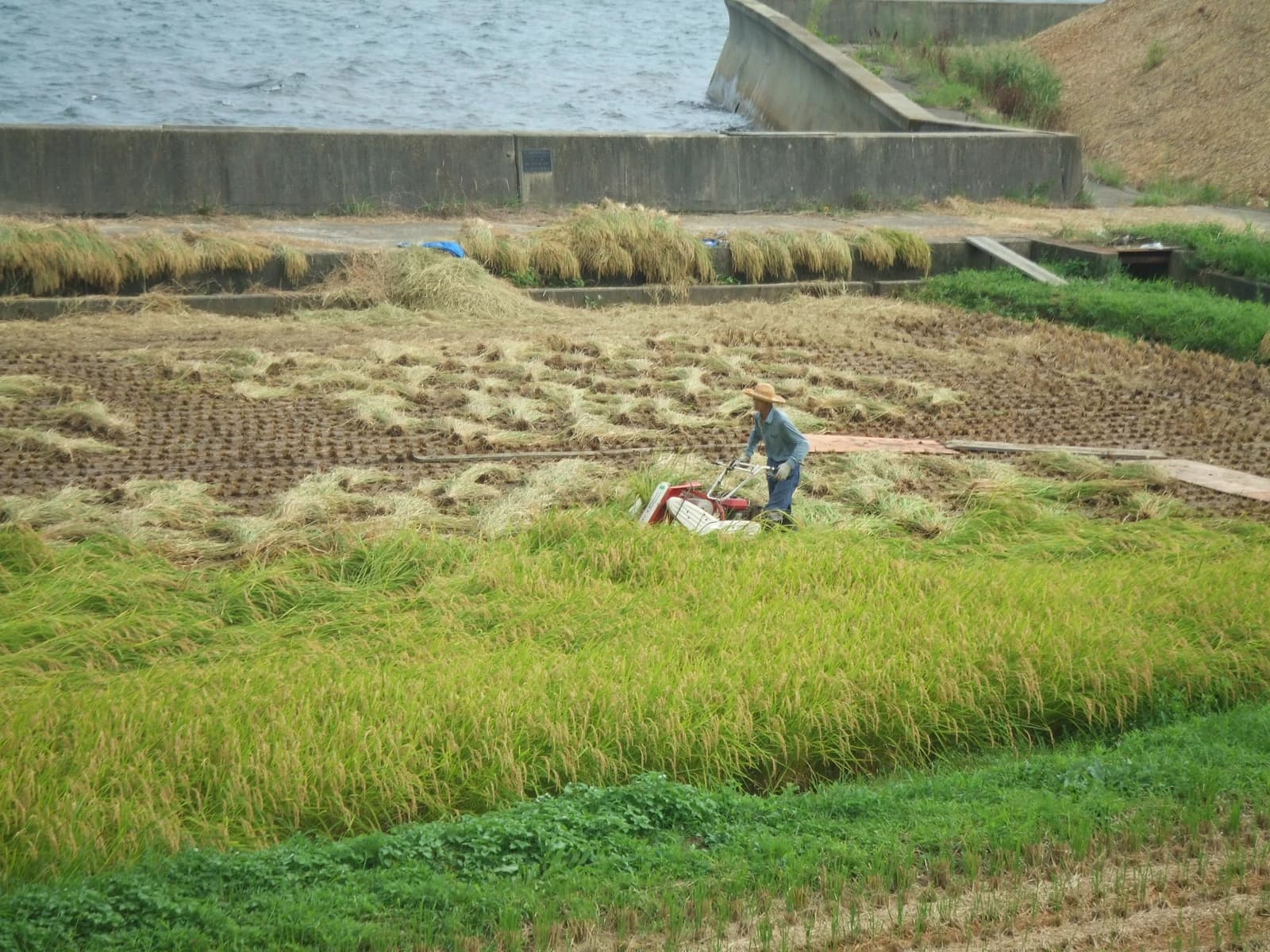
South Kalimantan’s rice production rose to 950,130 tons of unhusked paddy in the January-September 2026 period, reinforcing the province’s role as a significant food-supply base in Indonesia as higher harvested acreage lifts output and points to further gains before year-end.
South Kalimantan Rice Output Rises to 950,130 Tons
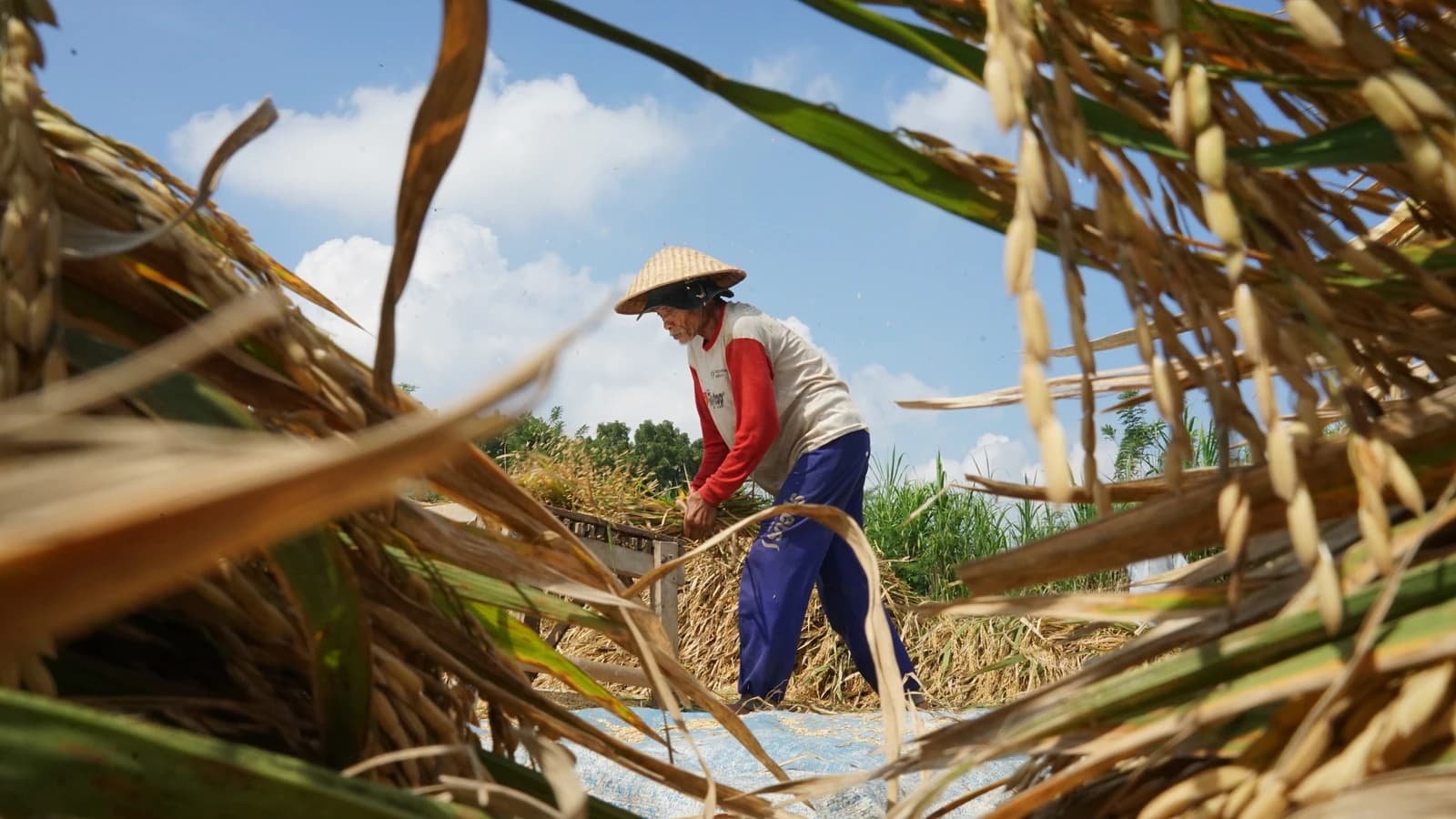
The increase matters because rice remains the country’s most politically and economically sensitive staple. A stronger harvest in South Kalimantan can help buffer local supply, support rural incomes and ease pressure on consumer prices in a year when food inflation has remained a key concern for policymakers.
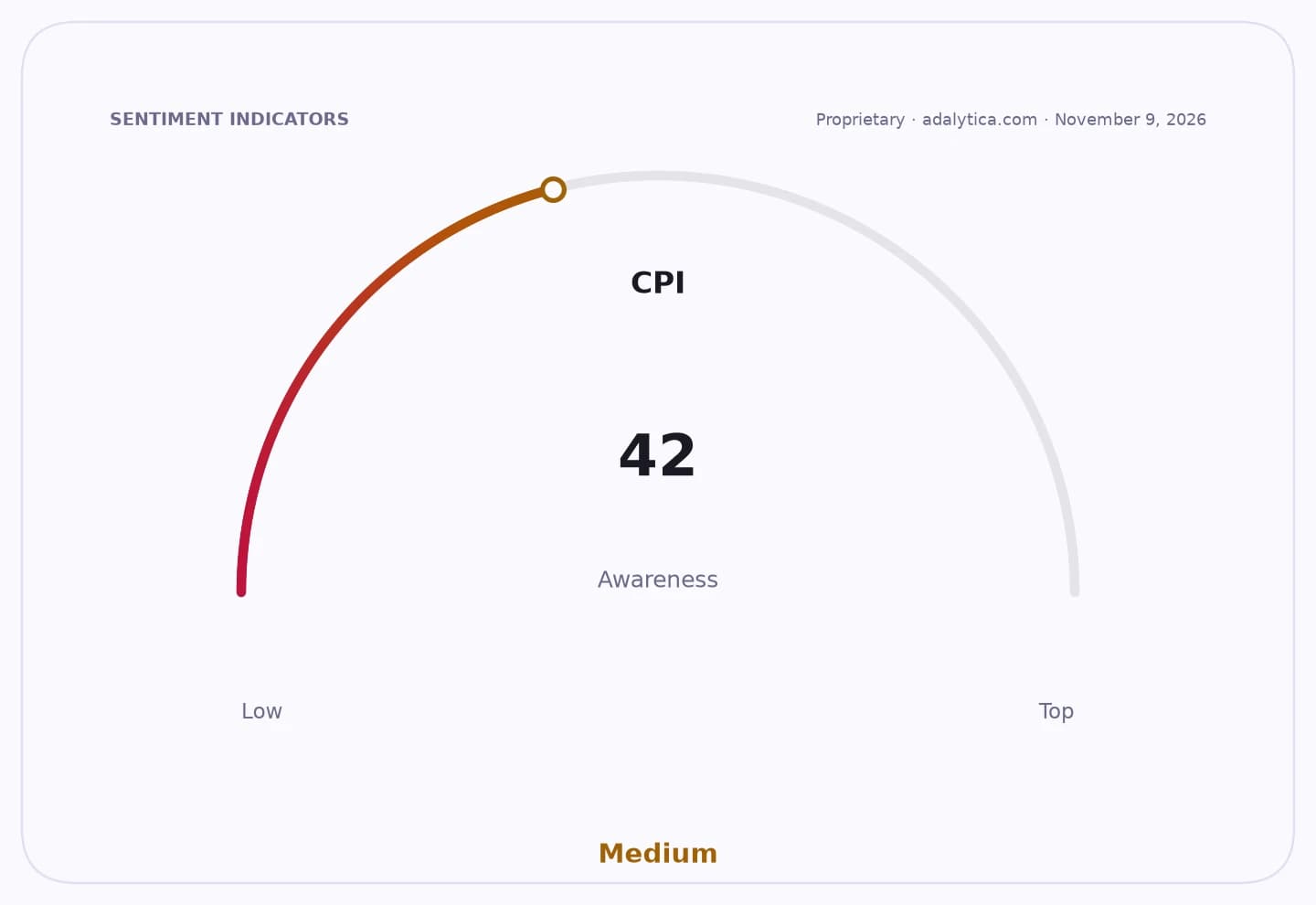
Sentiment Indicators
The province’s statistical agency said output was up 5.4% from 901,440 tons in the same period a year earlier, an increase of 48,690 tons. The gain was driven by harvested area, which rose 6.01% to 238,380 hectares from 224,870 hectares. September alone delivered 248,900 tons, the highest monthly contribution in the period, underscoring that production momentum was strongest late in the season.
Officials also said the crop is still expanding into the final quarter. October-December production is projected at 163,390 tons, which would lift full-year 2026 output to 1,113,520 tons of unhusked paddy. Rice for household consumption is forecast at 658,850 tons for the year, while January-September milled rice output is estimated at 562,170 tons, also up 5.4% from a year earlier.
For investors and commodity markets, the immediate read-through is not a single stock catalyst but a broader signal on agricultural supply conditions. More output from a key producing province can temper local rice price spikes, improve mills’ throughput and reduce reliance on outside shipments. That matters at a time when food-cost swings can influence policy, transport costs and consumer spending.
The distribution of production also shows where the agricultural base is strongest. Barito Kuala, Tapin and Hulu Sungai Tengah were the top-producing regencies, while Hulu Sungai Selatan, Hulu Sungai Tengah and Hulu Sungai Utara recorded the biggest gains. The pattern suggests South Kalimantan’s output improvement is not narrowly concentrated, making the supply trend more durable if weather and harvesting conditions remain favorable.
Still, the province’s contribution is only one piece of Indonesia’s wider rice balance. National price stability will depend on how other producing regions perform, how much of the crop reaches markets after post-harvest losses and whether government procurement and distribution channels remain efficient. Even so, the latest figures point to a healthier harvest profile heading into the final months of the year.
| Entity | Gains | Losses |
|---|---|---|
| South Kalimantan farmers | ▲Higher harvest volumes | ▼Lower scarcity premium |
| Local consumers | ▲Better supply outlook | ▼Less upside from tight inventories |
| Rice mills and traders | ▲More paddy to process | ▼Margin pressure if prices soften |
| Government policymakers | ▲Easier food-inflation management | ▼Less need for emergency intervention |