Rice producers and consumers are set to share more of the crop’s economic value as Damietta province expands rice harvesting and turns straw into commercial byproducts, a move that could lift farm incomes while supporting lower-waste food production in a market still sensitive to grocery inflation.
Damietta rice harvest ends as straw program expands
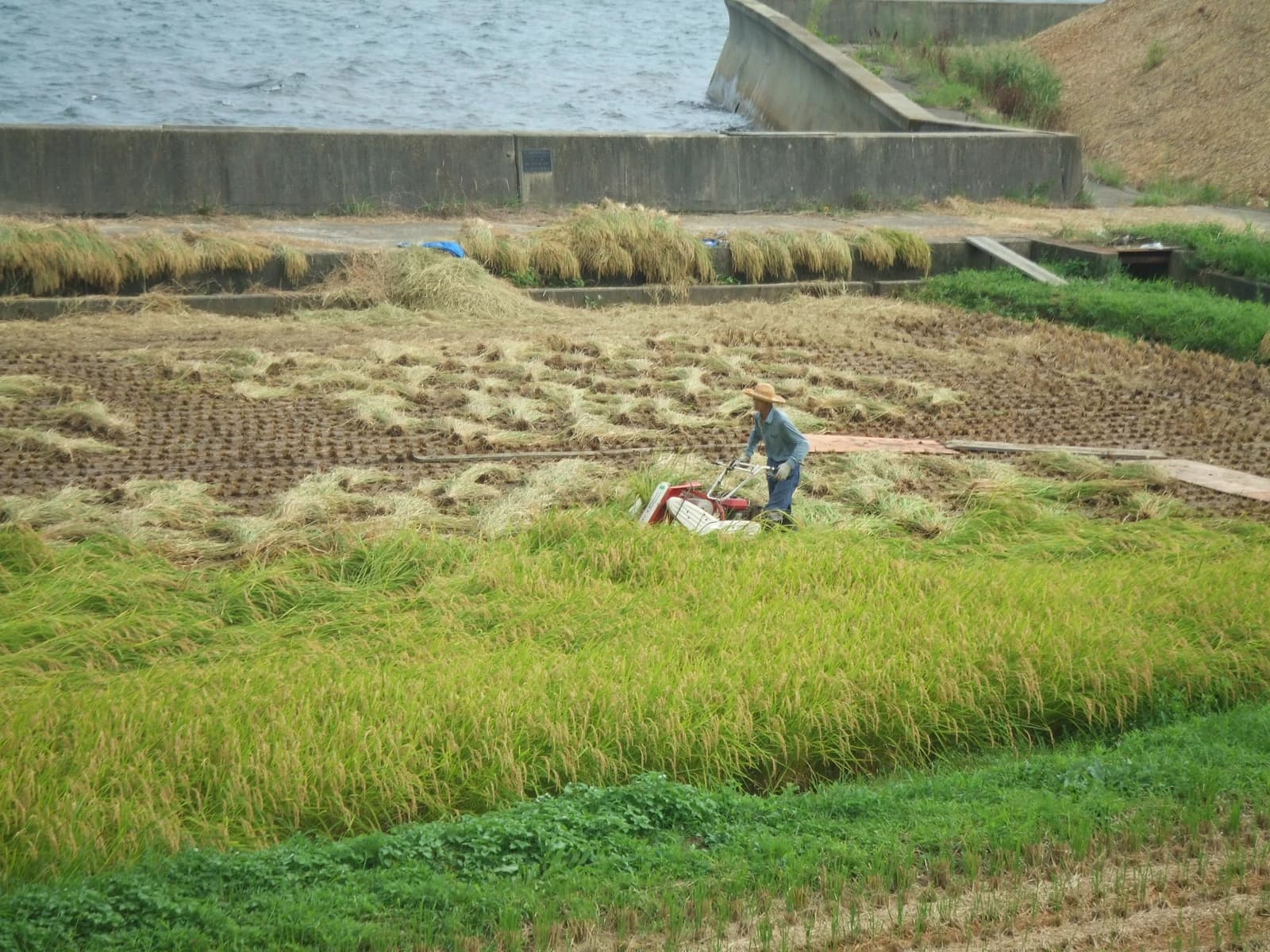
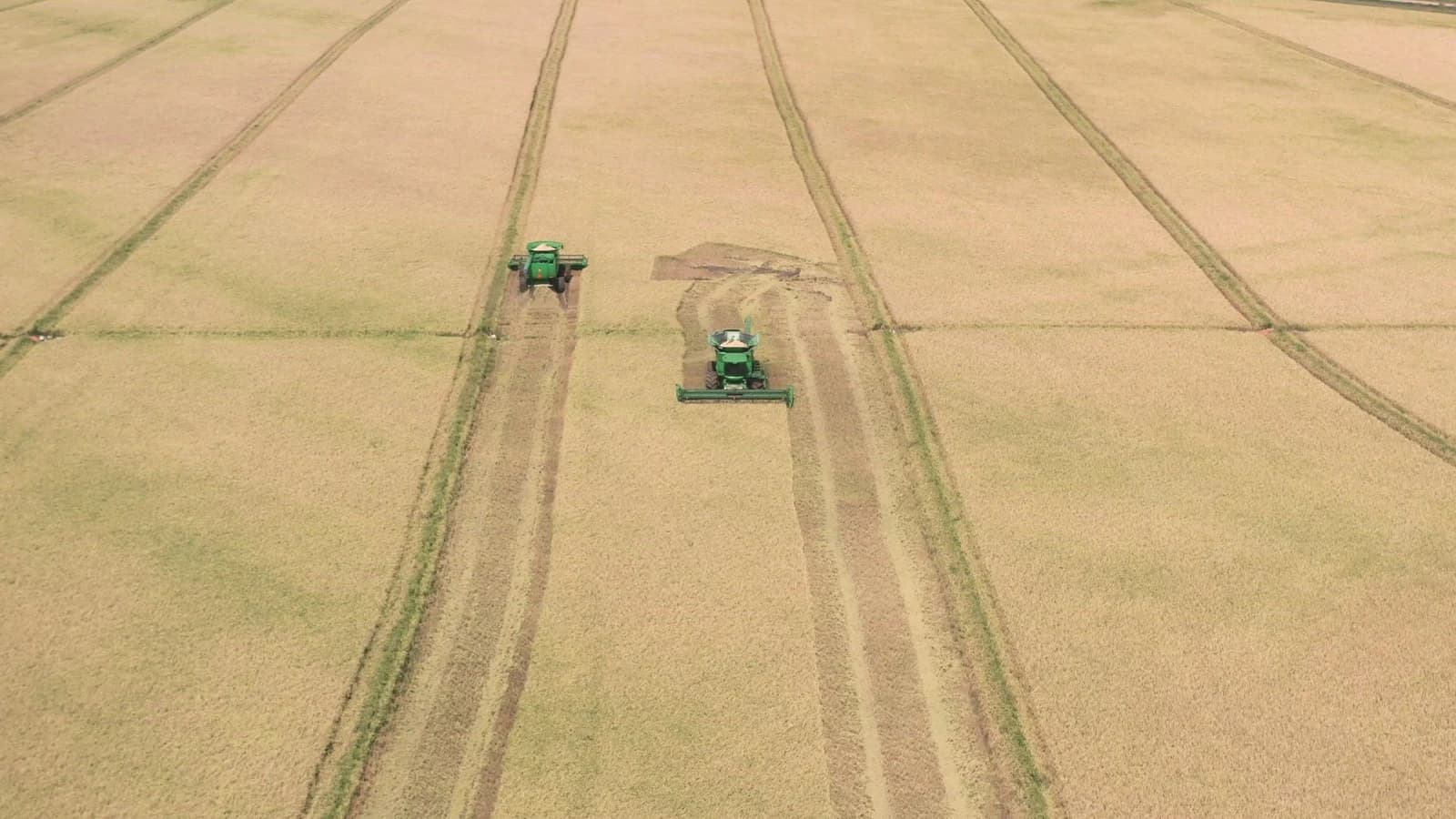
The Directorate of Agriculture in Damietta said it has finished harvesting rice across 46,800 acres this season and is now pushing a program to economically use rice straw, part of a broader shift toward circular agriculture. For producers, the immediate significance is income diversification: farmers are no longer reliant solely on paddy sales, which can be squeezed by weak grades, weather damage and volatile buying prices. For consumers, the longer-term benefit is a more efficient supply chain that can ease pressure on food costs and reduce losses in a staple crop that remains central to household budgets.
Sentiment Indicators
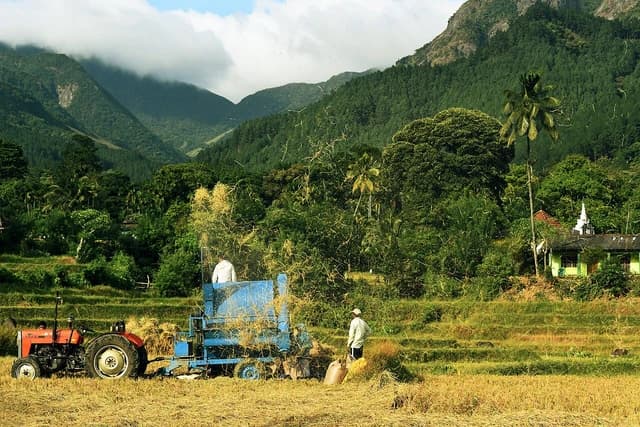
The timing matters because rice markets are unusually exposed to both supply risk and policy intervention. Regional appeals for better compensation after weather-related crop damage underline how quickly farm profitability can deteriorate when output quality falls. That makes secondary revenue streams such as straw utilization, composting, feedstock or industrial uses economically important, especially in rural areas where margins are thin and financing options limited.
The initiative also fits a wider policy narrative in agriculture: moving from volume-based production toward value-added farming. By monetizing what was once treated as waste, authorities are trying to improve the economics of cultivation without relying only on higher farmgate prices or subsidies. That can help stabilize planting incentives, protect rural incomes and make the sector more resilient to climate shocks.
Investors should read the development as supportive for companies and projects tied to agricultural logistics, processing, bio-based materials and circular-economy infrastructure. It is less of a direct market mover for global grain pricing than a sign that local governments are looking for ways to improve returns in staple-crop agriculture. The bull case is that better resource use and additional income streams improve farm solvency and productivity. The bear case is that poor rice quality, weather losses and compensation gaps could still leave growers under pressure unless these programs scale quickly and translate into meaningful cash flow.
For now, Damietta’s harvest completion marks not just a seasonal milestone but an attempt to turn rice production into a broader rural value chain, with the economics of the crop increasingly tied to what happens after the grain leaves the field.
| Entity | Gains | Losses |
|---|---|---|
| Rice farmers | ▲Higher total income streams | ▼Reliance on grain-only sales |
| Consumers | ▲More efficient food system | ▼Exposure to higher waste costs |
| Damietta agriculture authorities | ▲Progress on circular farming goals | ▼Pressure to support damaged crops |
| Straw processors / byproduct users | ▲New feedstock supply | ▼Limited if collection systems lag |