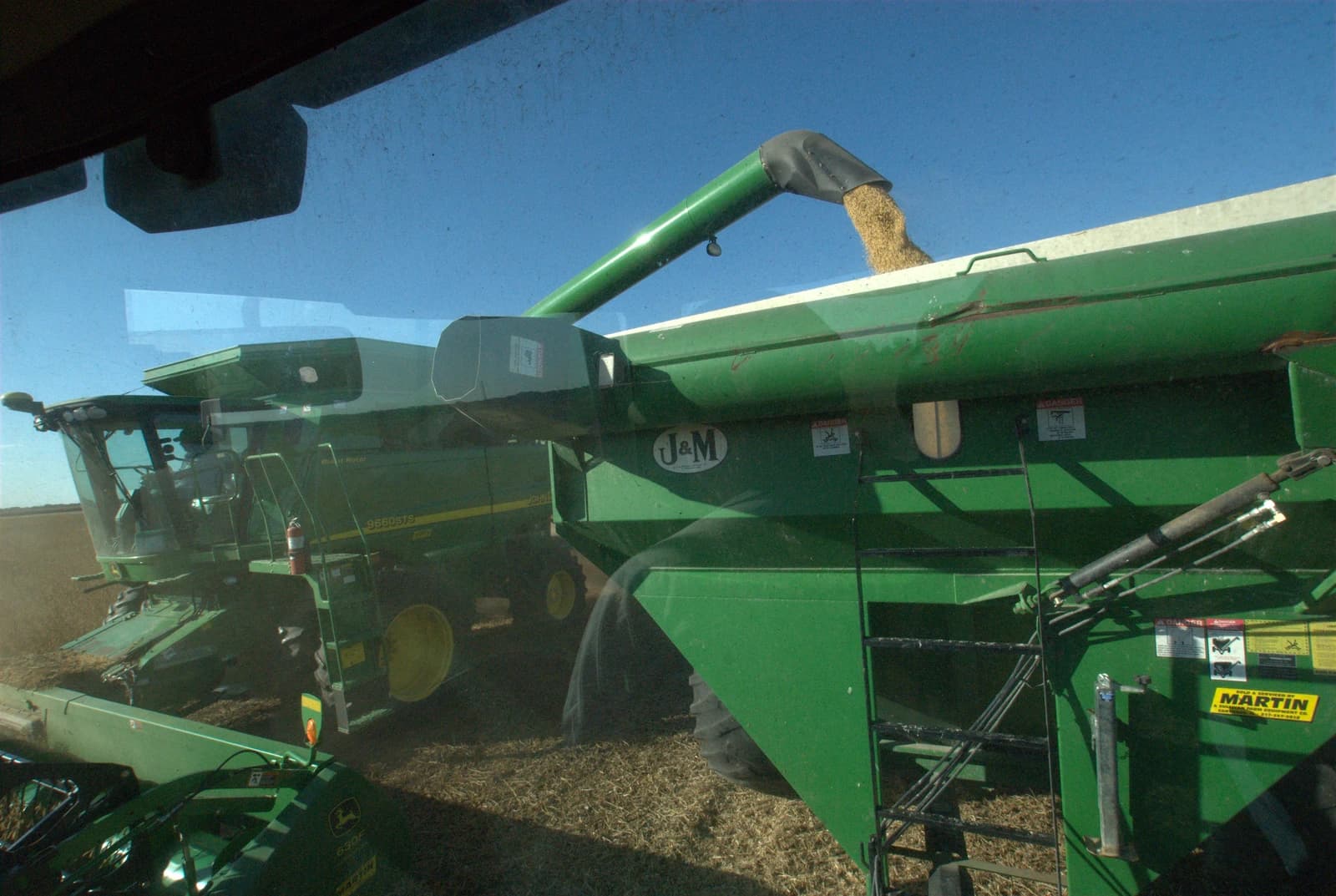
Silage corn harvest is rolling through Turkey’s Araban Plain with yields of 4 to 5 tons per decare, a sign that livestock feed demand is still giving farmers a profitable outlet even as weather has battered grain crops elsewhere.
Turkey Araban Plain silage corn harvest at 2,100 lira
That matters because silage corn is not a niche crop in this market. It is one of the cheapest, most efficient sources of roughage for cattle, sheep and goats, and when feed costs matter, buyers tend to chase reliable supply. In Araban, about 10,000 decares of second-crop corn were planted this year, including 4,000 decares of silage corn and 6,000 decares of oil corn, according to local farm officials. The silage crop is being snapped up by livestock operations from across Turkey, a reminder that animal producers are willing to travel for feed when quality and price line up.
For farmers, that demand is the story. Salih Demir, who grows silage corn on 60 decares in the Göl area, said he is harvesting roughly 4 to 5 tons per decare and selling silage at 2,100 lira a ton to cattle producers. That kind of throughput can make second-crop farming economically attractive, especially in areas that also produce garlic and grains earlier in the season. In practical terms, it turns land that might otherwise sit idle after the main harvest into cash flow.
The broader backdrop is less comfortable. Recent crop reports have pointed to weather damage and weaker yields across several regions, with corn output expected to fall sharply from a year earlier. Against that backdrop, Araban stands out as a pocket of resilience: the crop is in the ground, the harvest is moving, and feed buyers are there. When agricultural volatility rises, dependable supply chains become more valuable, not less.
Investors should not read this as a market-moving corn shock on its own, but it reinforces a bigger theme: climate swings are making agricultural production more uneven, while livestock feed demand remains sticky. That tends to support processors, traders and input suppliers that can source, store and move commodities efficiently. It also keeps pressure on farmers to diversify crops and lean into second-harvest systems that protect income.
For long-term investors, the takeaway is simple: the agriculture complex is still being shaped by weather risk and feed demand, and the businesses with the best logistics and procurement networks are the ones most likely to benefit. Araban’s harvest is worth watching as a small but telling example of how resilience can still create opportunity in a difficult farm year.
| Entity | Gains | Losses |
|---|---|---|
| Araban farmers | ▲Strong feed demand, 2,100 lira/ton sales | ▼Weather and yield risk |
| Livestock producers | ▲Steady local silage supply | ▼Higher feed costs if shortages widen |
| Commodity buyers/processors | ▲Reliable sourcing opportunity | ▼Tight supply in disrupted regions |
| Grain farmers in weaker regions | ▲— | ▼Lower yields from weather volatility |