The US Department of Agriculture’s plan to buy $21 million of long-grain rice stands out less for its size than for its timing: it gives domestic growers a government-backed outlet at a moment when farm markets remain sensitive to price swings and it routes more shelf-stable supply into federal nutrition programs.
USDA Buys $21 Million of Long-Grain Rice
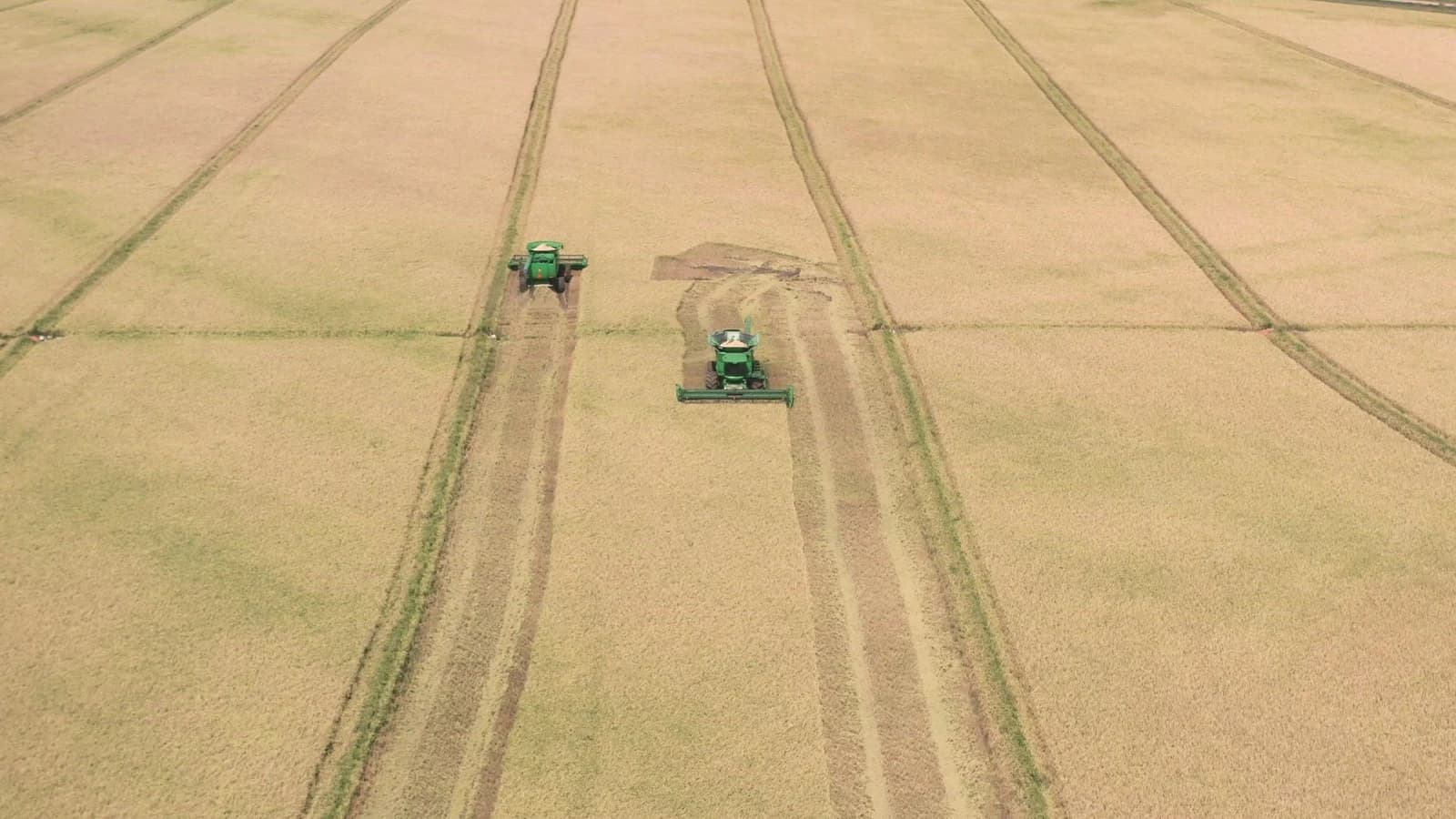
The rice purchase is part of a broader $472.5 million USDA procurement of US-grown and raised commodities, a reminder that Washington can still be a material buyer in agricultural markets when it uses its Section 32 authority. For rice producers, that matters because government tenders can help absorb surplus, stabilize cash flow and support basis levels when commercial demand is uneven. For food banks and nutrition programs, it delivers an inexpensive staple that is easy to store and distribute.
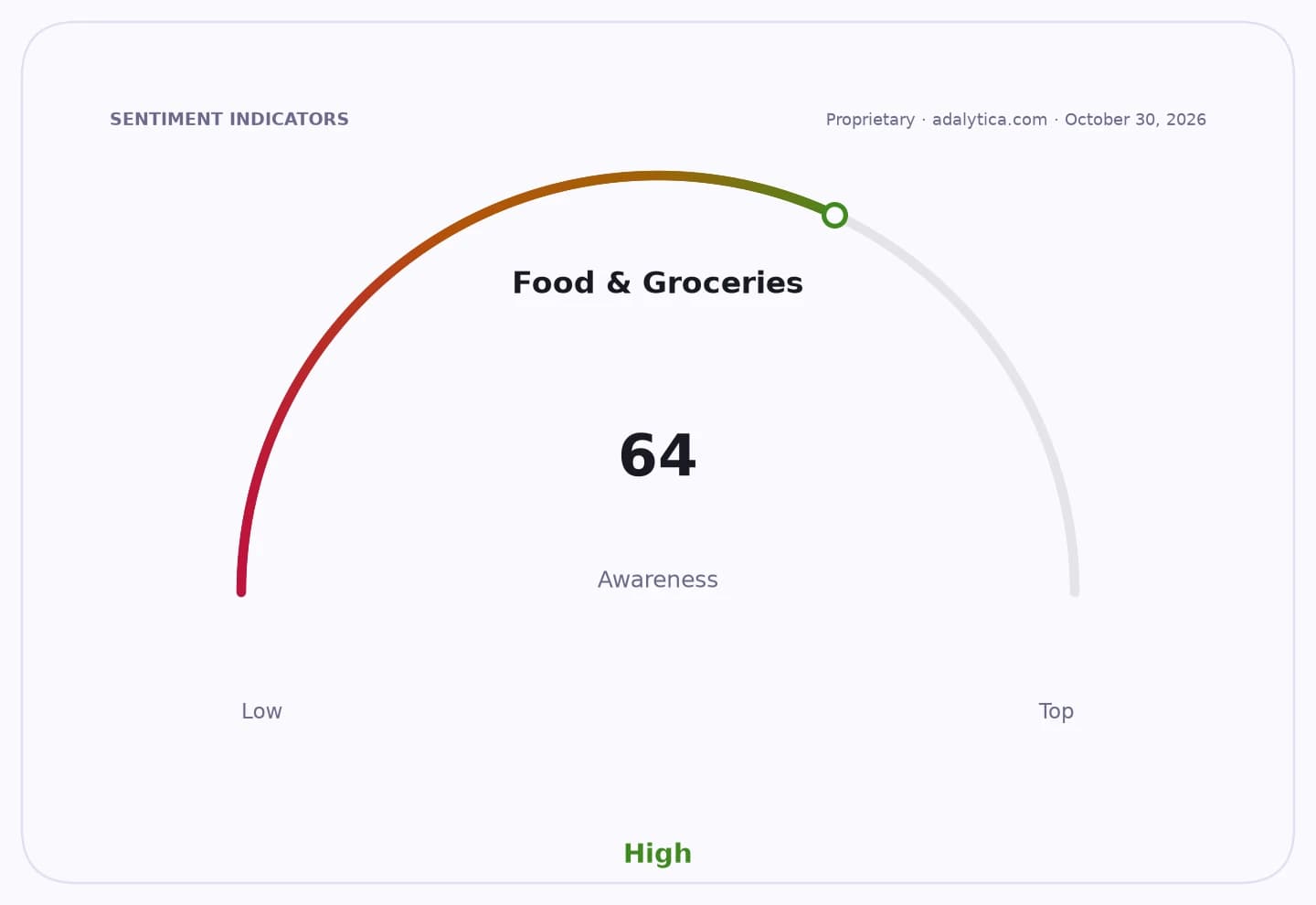
Sentiment Indicators
Industry groups including USA Rice and Feeding America had pressed the department to commit to the purchase, underscoring how closely agricultural policy and food-assistance logistics are linked. The USDA said similar Section 32 purchases in fiscal 2022 and 2023 were well received through the Emergency Food Assistance Program, suggesting the channel has become an important recurring outlet rather than a one-off intervention.
Economically, the move supports the domestic rice market without changing the broader supply-demand picture on its own. But it can improve marginal pricing for growers by creating a reliable buyer for part of the crop and by signaling that federal nutrition spending can double as agricultural support. That dual role is particularly important in commodities, where even modest government demand can influence sentiment and contracting behavior.
Investors should view the announcement as mildly constructive for US rice growers and for companies with exposure to grain handling, storage and agricultural logistics. The more immediate market impact is likely to be in producer economics rather than in listed equities, though the buy helps reinforce the investment case for firms tied to large-scale crop procurement and distribution. In the wider packaged-food and grocery chain, the effect is more indirect: steadier farm-gate markets can feed into input-cost visibility over time, but not enough to move near-term margins on its own.
The bigger narrative is that food policy is increasingly doing double duty. As the USDA channels agricultural commodities into nutrition programs, it is effectively using public purchasing power to support both household food access and farm income. For rice growers, that is a welcome cushion; for investors, it is another reminder that policy support can matter as much as weather or export demand in shaping commodity returns.
| Entity | Gains | Losses |
|---|---|---|
| US rice growers | ▲Government-backed demand | ▼Less exposure to spot-market weakness |
| Food banks/TEFAP | ▲Shelf-stable supply | ▼Less need to source open-market rice |
| USDA | ▲Supports nutrition and farm policy | ▼Budget scrutiny over commodity purchases |
| Commercial rice buyers | ▲None meaningful | ▼Some competition for supply |