Timely irrigation of wheat planted after cotton, maize and sugarcane is emerging as a key factor in crop output, underscoring how water management now sits at the center of Pakistan’s food-security and inflation outlook.
Pakistan Wheat Irrigation Timing Affects Yields
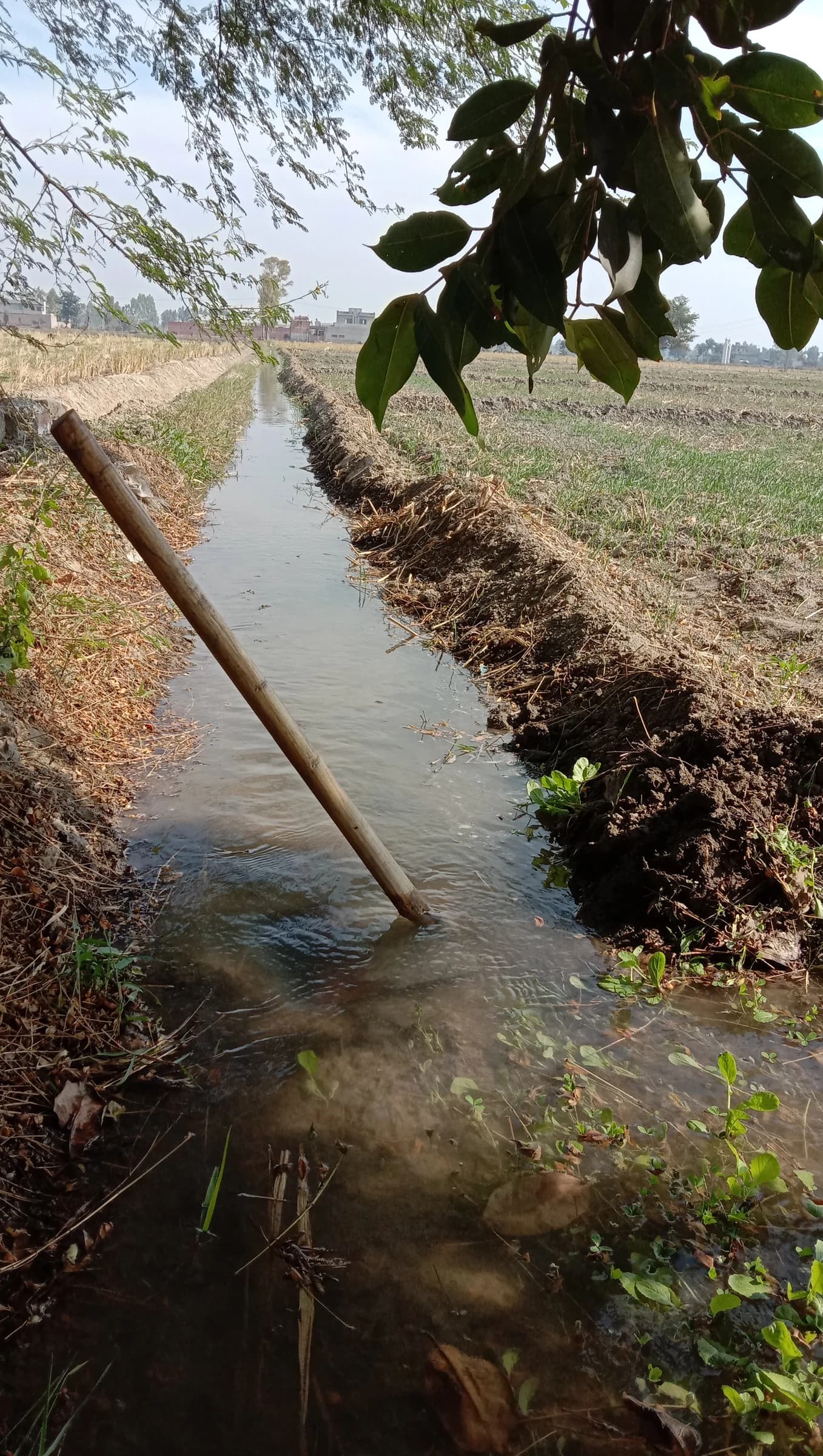
An agriculture extension official in Faisalabad said delayed watering can cut the number of tillers, spikes and grains per plant, lowering yields at a time when farmers and policymakers are trying to stabilize wheat supplies. The guidance is practical rather than dramatic, but economically it matters: wheat is a staple food, and even small losses in per-acre productivity can ripple through rural incomes, grain availability and consumer prices.
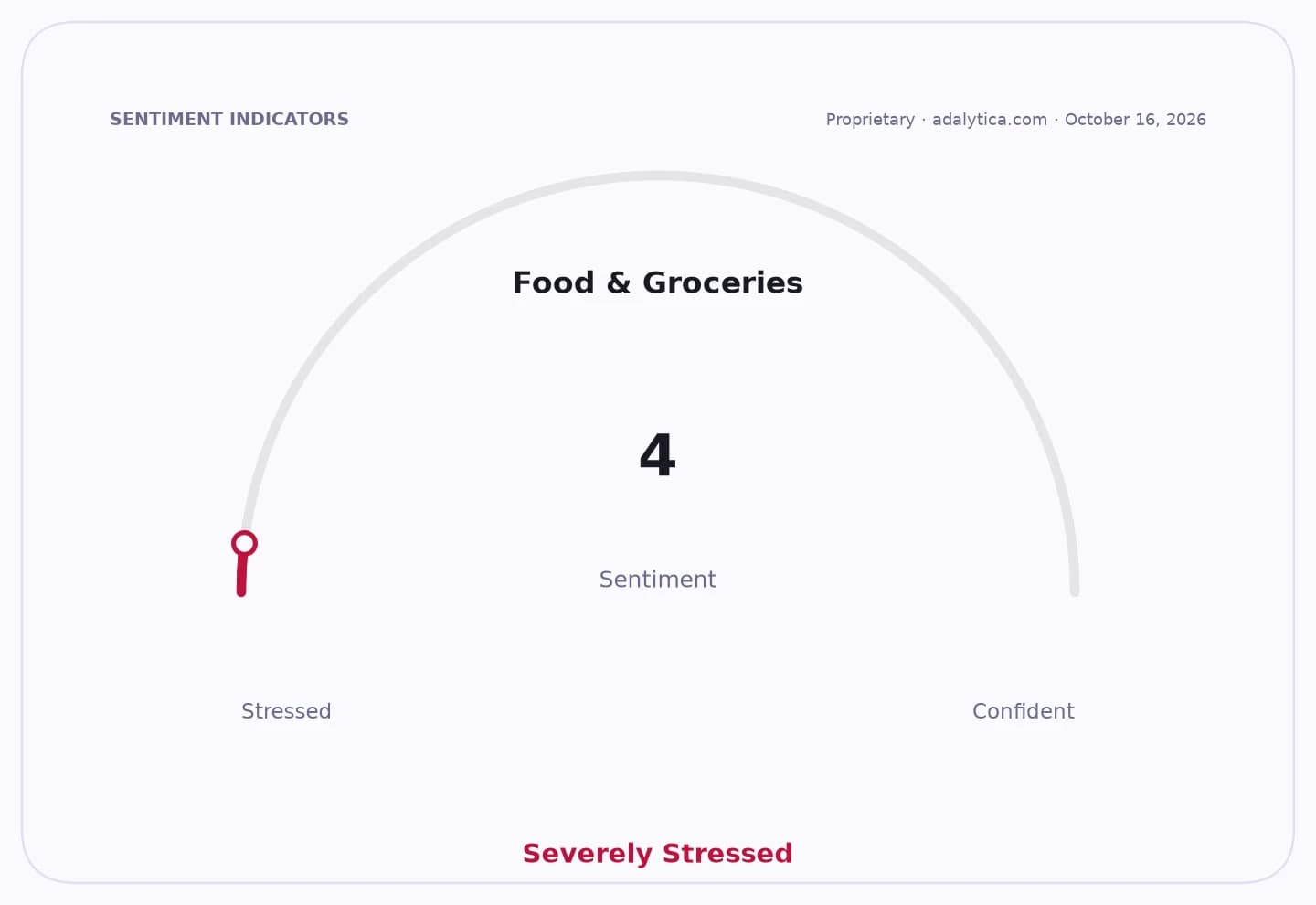
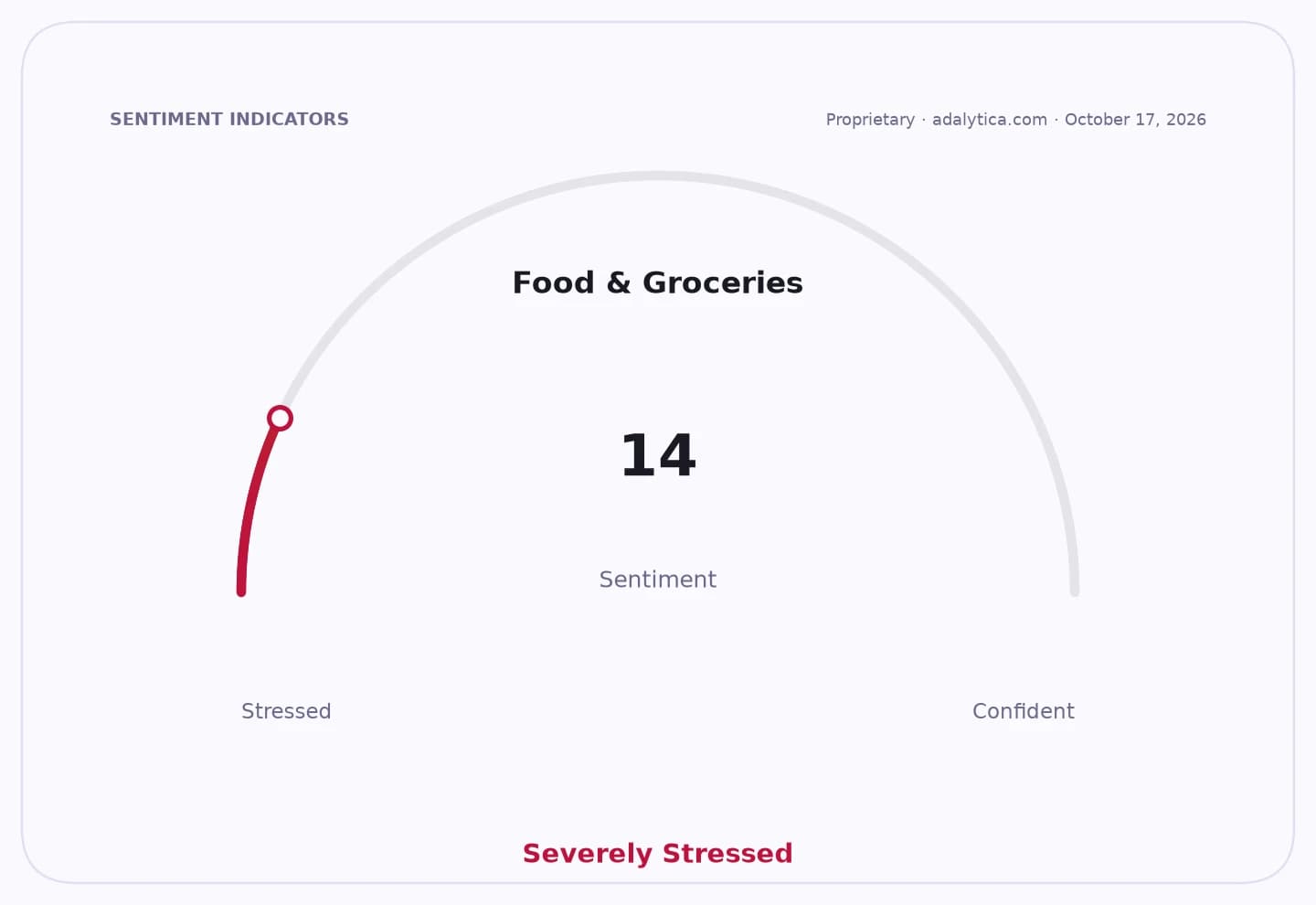
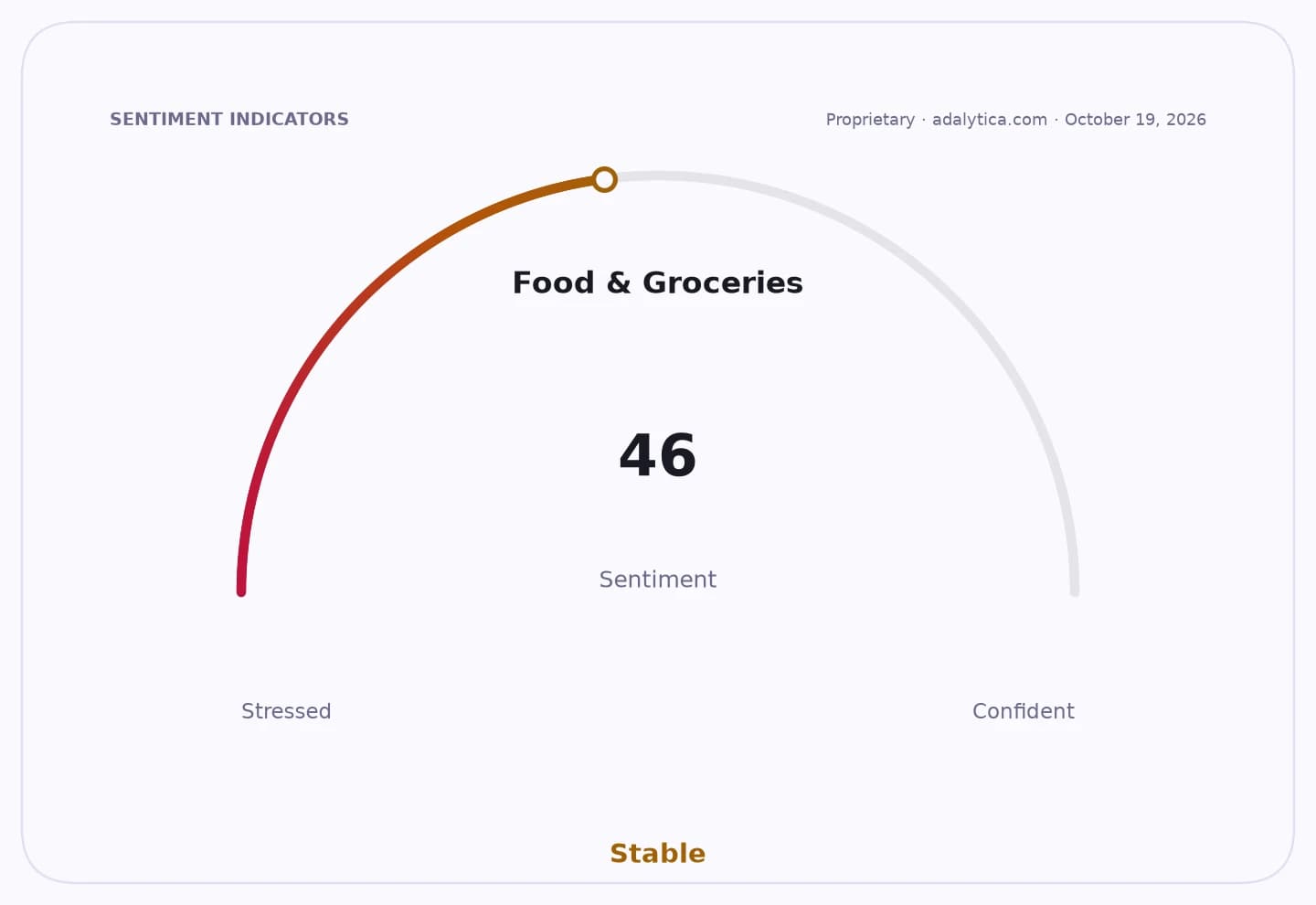
Sentiment Indicators
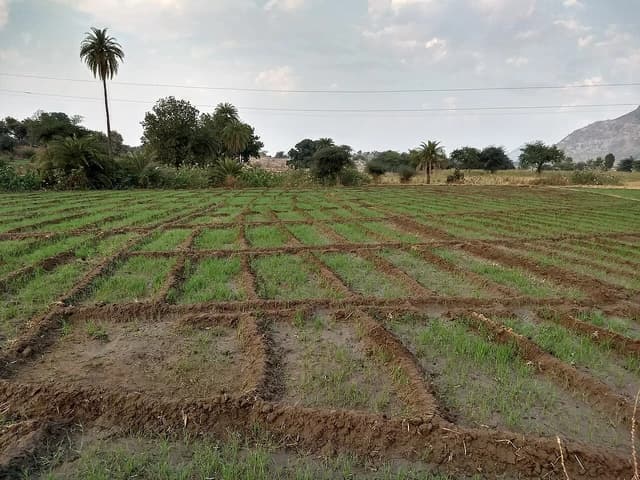
The advice is especially relevant for wheat sown after late-harvest crops such as cotton, maize and sugarcane, where planting windows are tighter and soil moisture can be uneven. According to the official, the first irrigation should come 20 to 25 days after sowing, when shoots are emerging; the second at 80 to 90 days as the ear develops; and the third at 125 to 130 days in the early grain-filling stage. If hot, dry weather persists, farmers may need an extra watering between these intervals.
That matters because Pakistan’s agricultural economy remains highly exposed to water timing, not just water availability. A crop that misses irrigation at critical growth stages may still survive, but the yield penalty can be significant. For growers, that means lower output per acre and weaker returns. For the broader economy, it means greater pressure on wheat procurement, tighter local supply and a higher risk that food inflation becomes sticky, especially in areas already facing elevated input costs.
Food & Groceries
The policy backdrop also points to the same tension. Authorities have been leaning on monitoring, yield improvements and input support to keep wheat markets steady, while broader regional grain demand has remained firm. In that setting, extension advice on irrigation is not a minor agronomy note; it is part of the mechanism that determines whether higher planting intentions translate into actual harvests.
For investors, the direct read-through is limited but not irrelevant. Better wheat execution supports food-price stability, which can ease pressure on consumer spending and reduce volatility in agricultural supply chains. It also benefits farm-input suppliers tied to crop intensification and productivity, while dampening the case for emergency grain imports if yields disappoint. On the other side, prolonged heat and water stress would favor traders and suppliers positioned for tighter grain markets, but hurt farmers and food consumers.
The broader narrative is straightforward: in a year when food security, inflation and farm economics remain intertwined, irrigation timing is becoming as important as acreage. If farmers can protect yields through disciplined watering, the upside is higher production and less price pressure. If not, the cost will show up first in fields, then in markets, and ultimately at the dinner table.
| Entity | Gains | Losses |
|---|---|---|
| Wheat farmers | ▲Higher yields | ▼Lower output from missed irrigation |
| Consumers | ▲More stable bread prices | ▼Higher food inflation |
| Grain traders | ▲Volatility opportunities | ▼Less scarcity premium |
| Input suppliers | ▲Stronger demand for crop support | ▼Weaker demand if acreage underperforms |