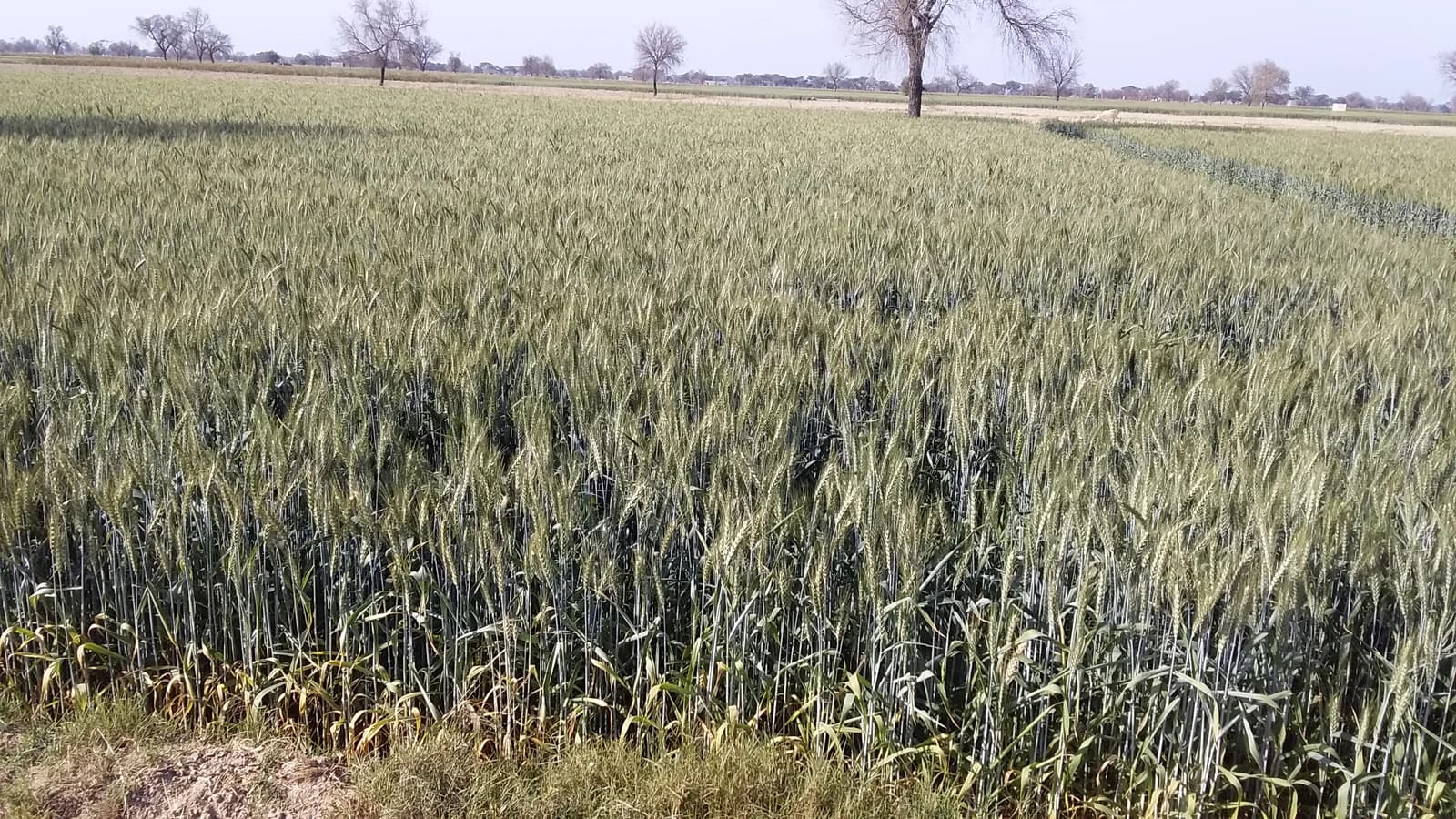
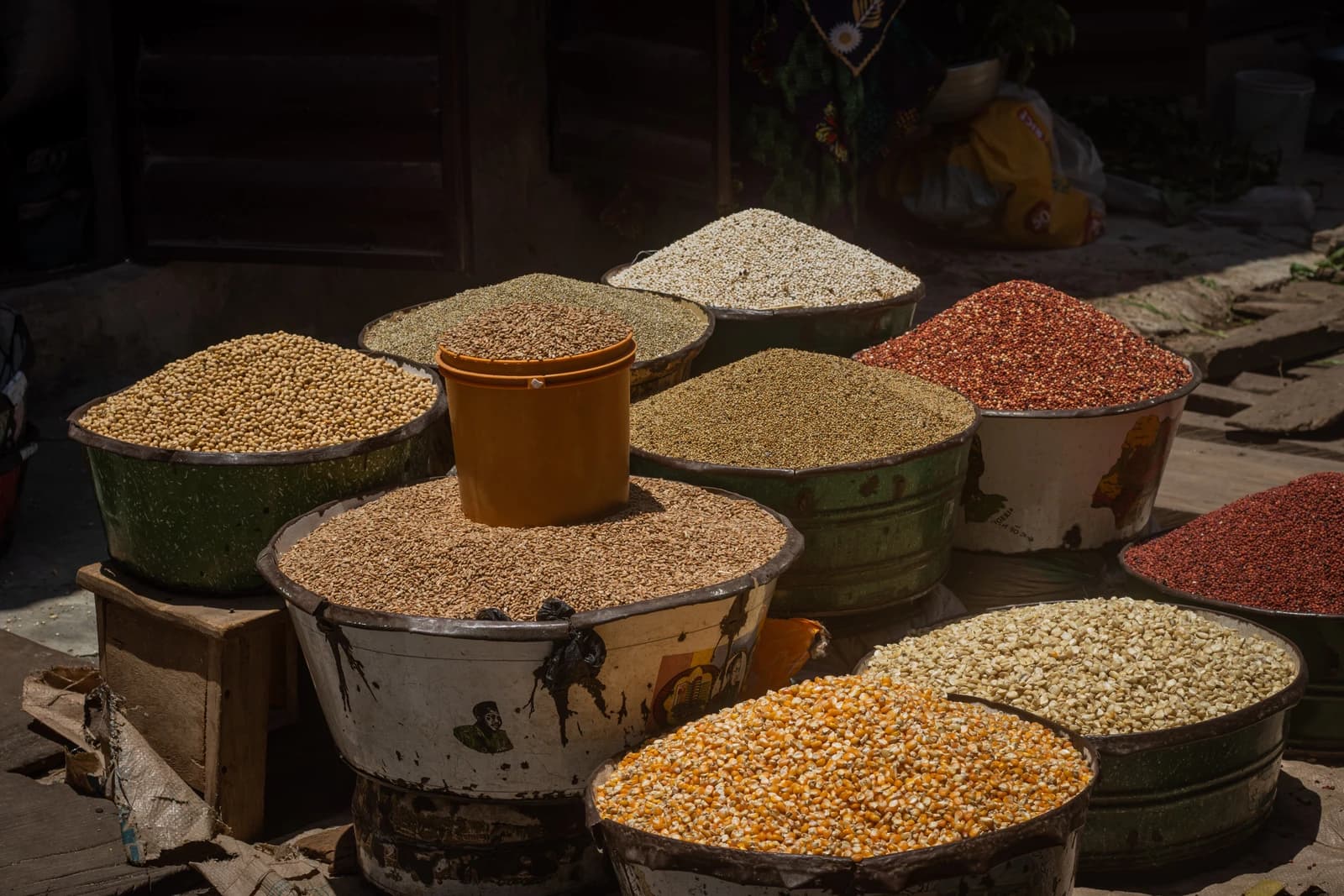
Pakistan’s agriculture ministry is pressing private seed companies to cut wheat seed prices ahead of the Rabi sowing season, a move aimed at protecting output in a crop that remains central to food security and rural incomes.
Pakistan wheat seed prices before Rabi sowing
The intervention matters because seed is one of the first and most immediate costs farmers face before planting, and the government is trying to prevent higher input prices from depressing certified seed use at a time when wheat production is already under strain. For small farmers in particular, the combined burden of seed, fertiliser, irrigation and other inputs can determine whether they plant recommended varieties or fall back on lower-quality seed that weakens yields.
National Food Security Minister Rana Tanveer Hussain told a meeting with private seed companies and the National Seed Development and Regulatory Authority that timely access to affordable seed was essential, while also directing regulators to smooth inter-provincial movement so supplies reach farmers before sowing windows close. The ministry said it wants broader availability of climate-resilient, high-yielding and disease-resistant wheat varieties, a policy that only works if seed is both physically accessible and affordable.
The numbers underline the supply challenge. A government document on wheat seed position for the 2026-27 Rabi crop shows procurement availability of 611,793.06 tonnes, enough for 51% of the total requirement of 1,191,555 tonnes. That is little changed from the 2025-26 season, when availability was 574,329.53 tonnes, also 51% of sowing needs. Punjab appears best supplied at 67% of requirement, while Sindh is at 23%, Khyber Pakhtunkhwa at 7% and Balochistan at 13%, exposing regional gaps that could leave farmers unevenly positioned as planting begins.
For the seed industry, the request points to a familiar tension: companies want pricing power to protect margins and recoup breeding and multiplication costs, while the state wants to hold down farm input inflation to defend acreage and output. Investors in agricultural input businesses will watch whether the government’s appeal turns into informal pressure, administrative controls or accelerated subsidies that could cap pricing upside.
For wheat markets, the bigger implication is that Pakistan is again treating seed policy as a lever for food security rather than a purely commercial decision. If cheaper seed lifts certified-seed uptake, it could improve yields over time and reduce import dependence. If not, weaker planting economics could deepen supply risks just as the country tries to secure the next harvest.
| Entity | Gains | Losses |
|---|---|---|
| Farmers | ▲Lower planting costs | ▼Seed companies’ pricing power |
| Government | ▲Better food-security optics | ▼Budget flexibility |
| Seed companies | ▲Higher sales volume if demand holds | ▼Margin pressure |
| Wheat supply outlook | ▲Higher certified-seed use | ▼Low-quality seed reliance |