Crystal Crop Protection is betting that Indian farmers will pay up for seeds that deliver earlier harvests, better disease tolerance and more flexibility when weather or prices turn against them.
Crystal Crop Protection plans new seed launches
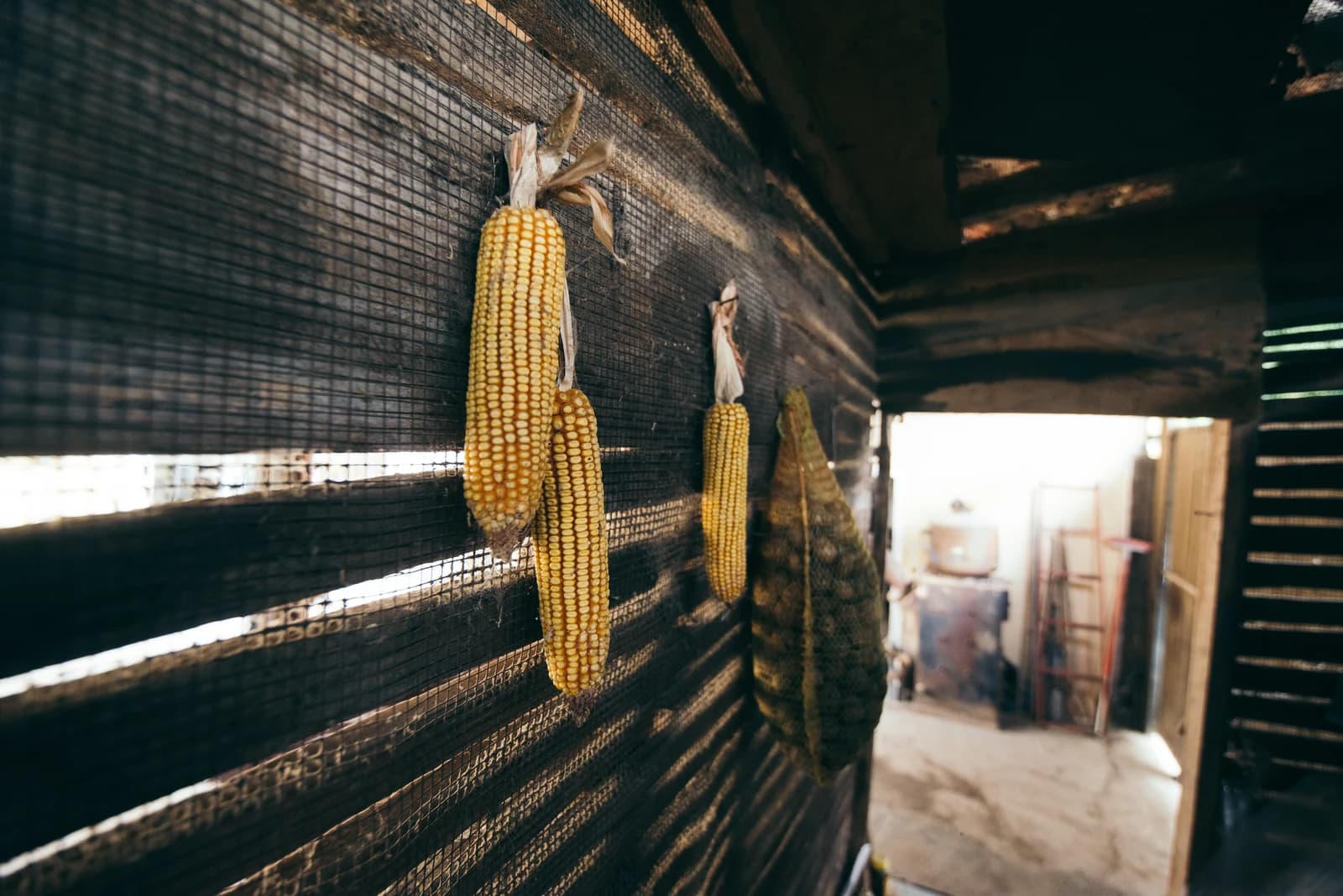
The New Delhi-based seed and crop protection company said it will launch a new sweet corn variety, Madhuram, next month, with additional vegetable seeds planned through 2027, including seedless cucumber, cabbage, tomato and long fresh chilli. For investors, the story is less about one corn hybrid than about a broader shift in Indian horticulture: seed companies are moving toward higher-value, climate-resilient genetics that can improve farm economics in a market where timing, transport and shelf life increasingly decide margins.
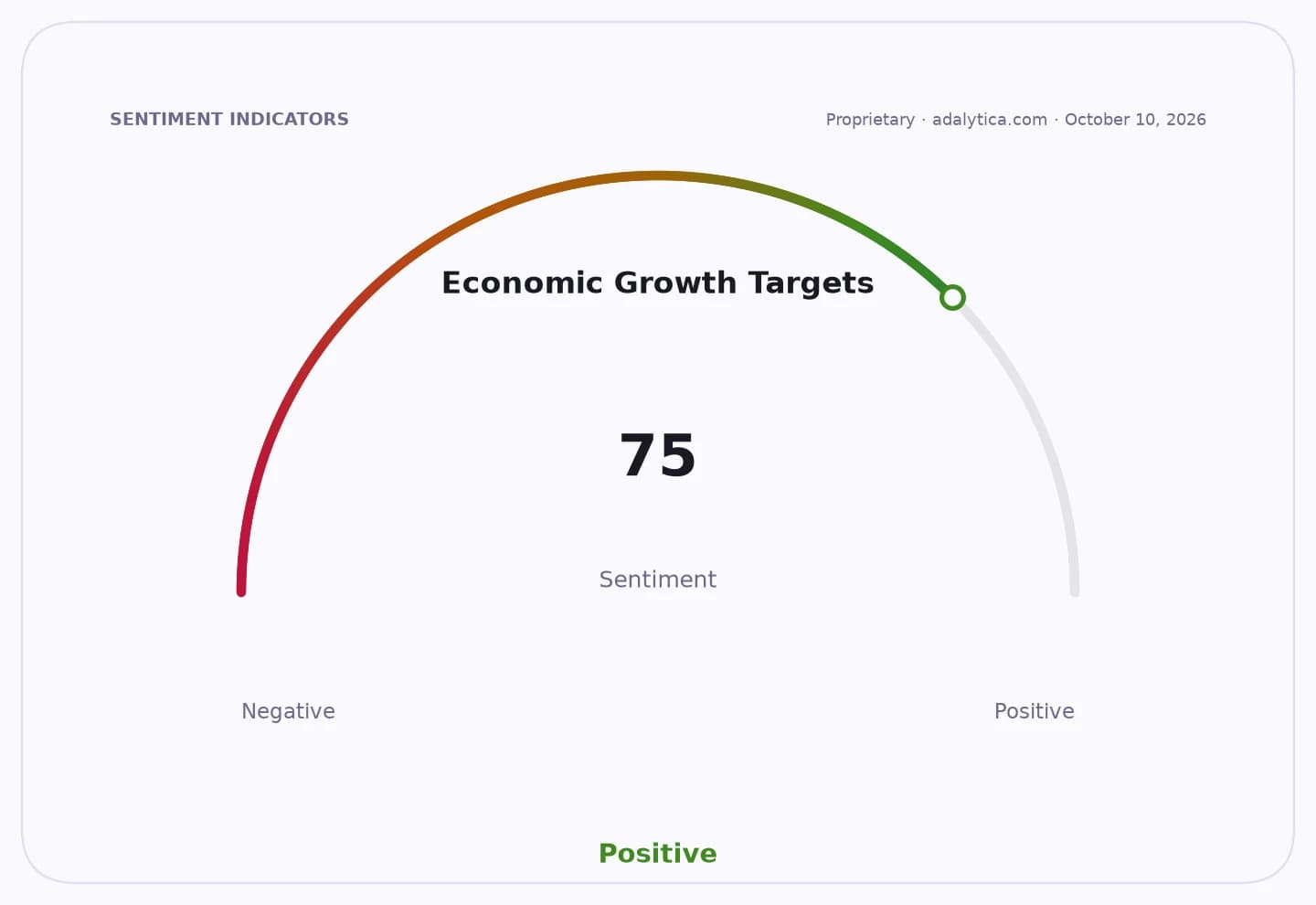
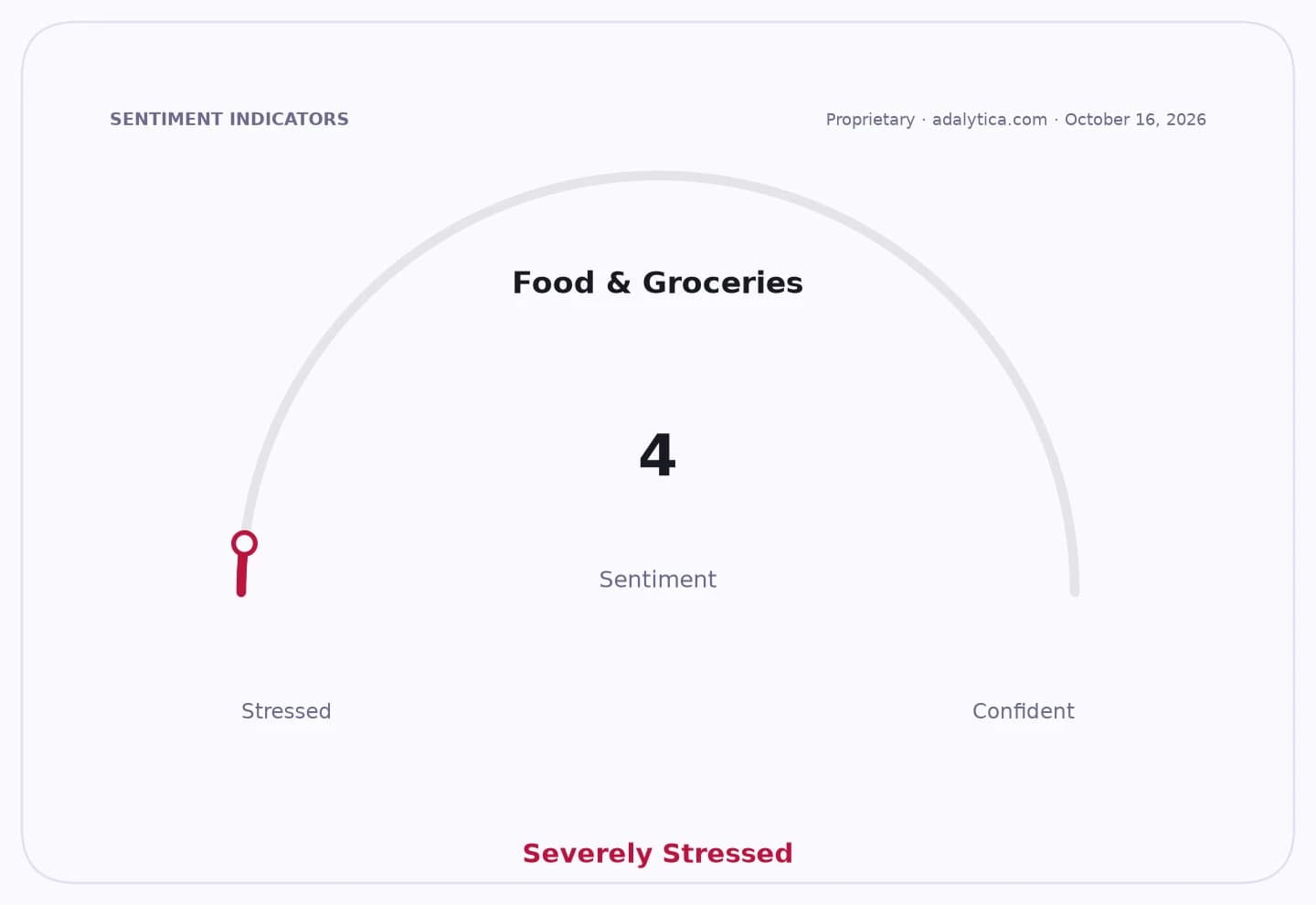
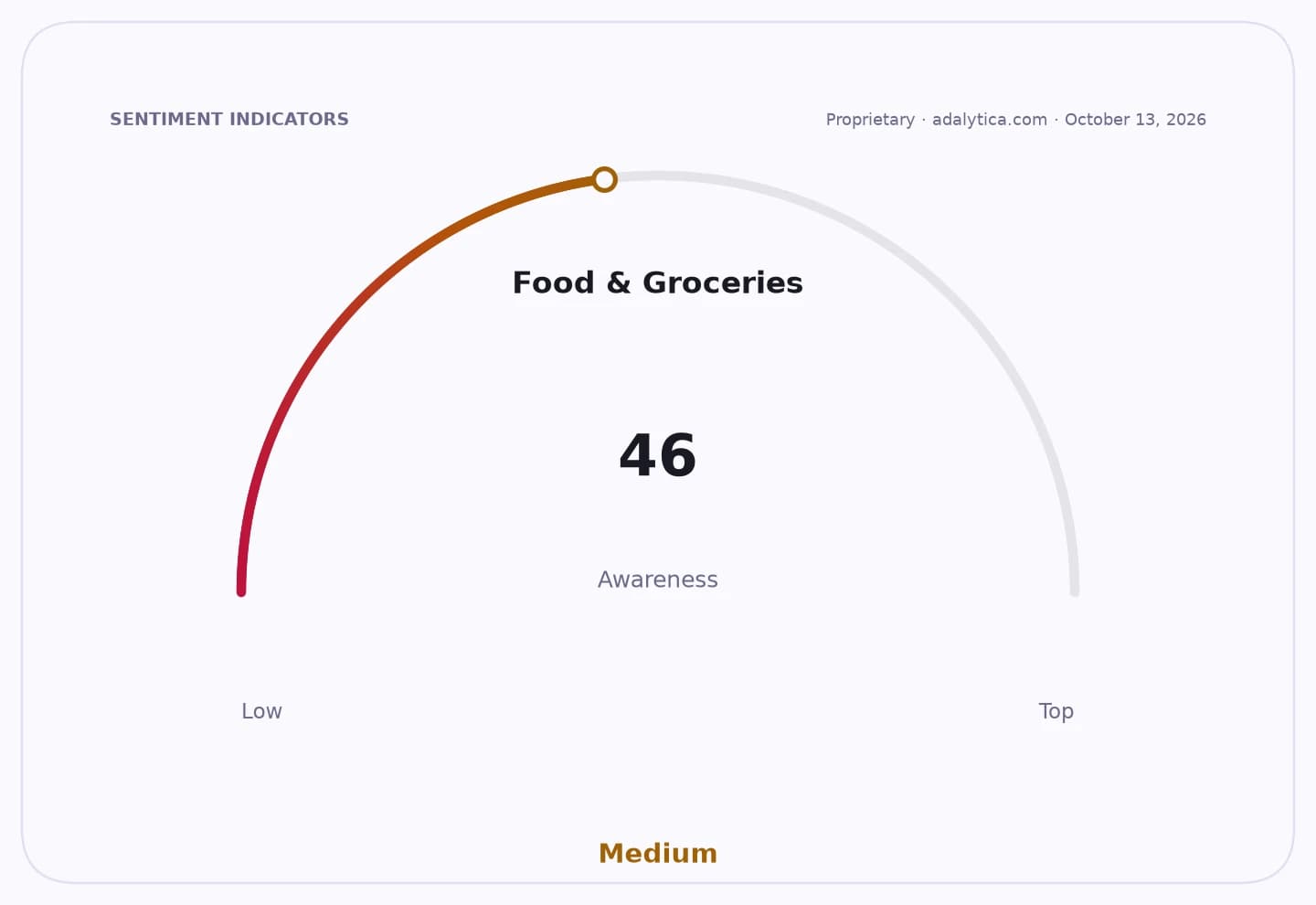
Sentiment IndicatorsⓘProprietary · adalytica.com · October 14, 2026
This is a snapshot — live sentiment, awareness and momentum for 130+ markets update continuously in the dashboard.Open AlphaPulse
That matters because agriculture in India is still highly exposed to weather shocks, market gluts and post-harvest losses. Crystal’s pitch is built around reducing those frictions. Early-harvest varieties can get farmers to market sooner, while traits such as disease tolerance, better shelf life and higher yields can protect returns when prices weaken or harvesting is delayed. In cabbage, for example, the company says farmers may be able to wait 10 to 15 days before picking if prices are soft, a small but meaningful advantage in a volatile market.
The company is also leaning into crop traits that fit changing consumer demand. Its new tomato line is being positioned around flavor, with harvest in 50 to 55 days, while the planned coloured sweet corn work taps into the health and nutrition trend. Crystal said it is among fewer than 20 Indian seed companies doing research and development in seeds and flowers, and it has already earned recognition from the Department of Scientific and Industrial Research. That gives the company credibility in a business where breeding capability is the real moat.
For long-term investors, the interesting part is not the single product cycle but the compounding potential of a pipeline tied to recurring farm needs. Seeds are a classic volume-and-innovation business: if a company can consistently deliver varieties that boost yields or lower crop risk, it can build durable pricing power and farmer loyalty. Crystal says its R&D is connected to 1.5 lakh farmers enrolled in its Krishi Sampark programme, which can help shorten the feedback loop between field performance and product development.
The competitive backdrop is important too. Better genetics are becoming a battleground across vegetables, with rivals also chasing shorter-duration crops and more resilient traits. Crystal’s collaborations with the Indian Institute of Horticultural Research and the Taiwan-based World Vegetable Center suggest it wants to stay in that race. It has also revived “doubled haploid” breeding, a technique aimed at producing pure breeding lines faster, which could improve the quality and speed of future launches if it scales well.
For investors, the message is straightforward: companies that can sell productivity, not just seed packets, are better positioned to benefit from India’s push toward more efficient and climate-resistant agriculture. Crystal’s new sweet corn launch is a small step, but the pipeline points to a business trying to turn R&D into a longer-term franchise. That makes it worth watching as the next planting seasons roll in.
| Entity | Gains | Losses |
|---|---|---|
| Crystal Crop Protection | ▲Higher-value seed franchise | ▼Short-term R&D costs |
| Indian farmers | ▲Earlier harvests, better yields | ▼Higher seed switching risk |
| Competitors | ▲Industry demand growth | ▼Pressure to innovate faster |
| Consumers | ▲Better-tasting, fresher produce | ▼Fewer low-quality legacy varieties |