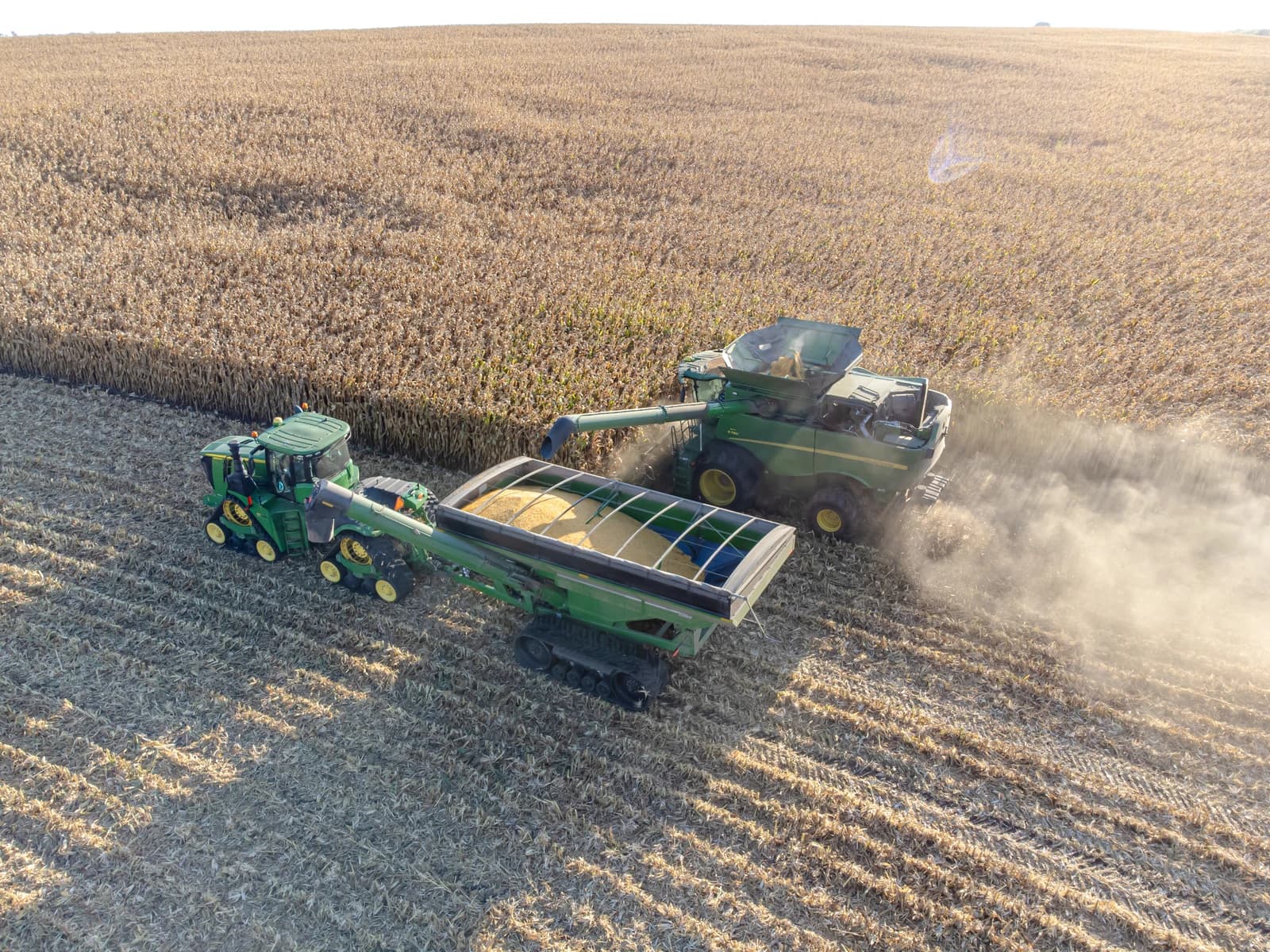
Sweet corn that failed to ripen before early cold weather is turning into a small but telling example of how weather shocks are still distorting agricultural supply, with the immediate risk falling on growers who must decide whether to harvest, freeze or abandon underdeveloped ears.
Corn crop losses from early cold weather
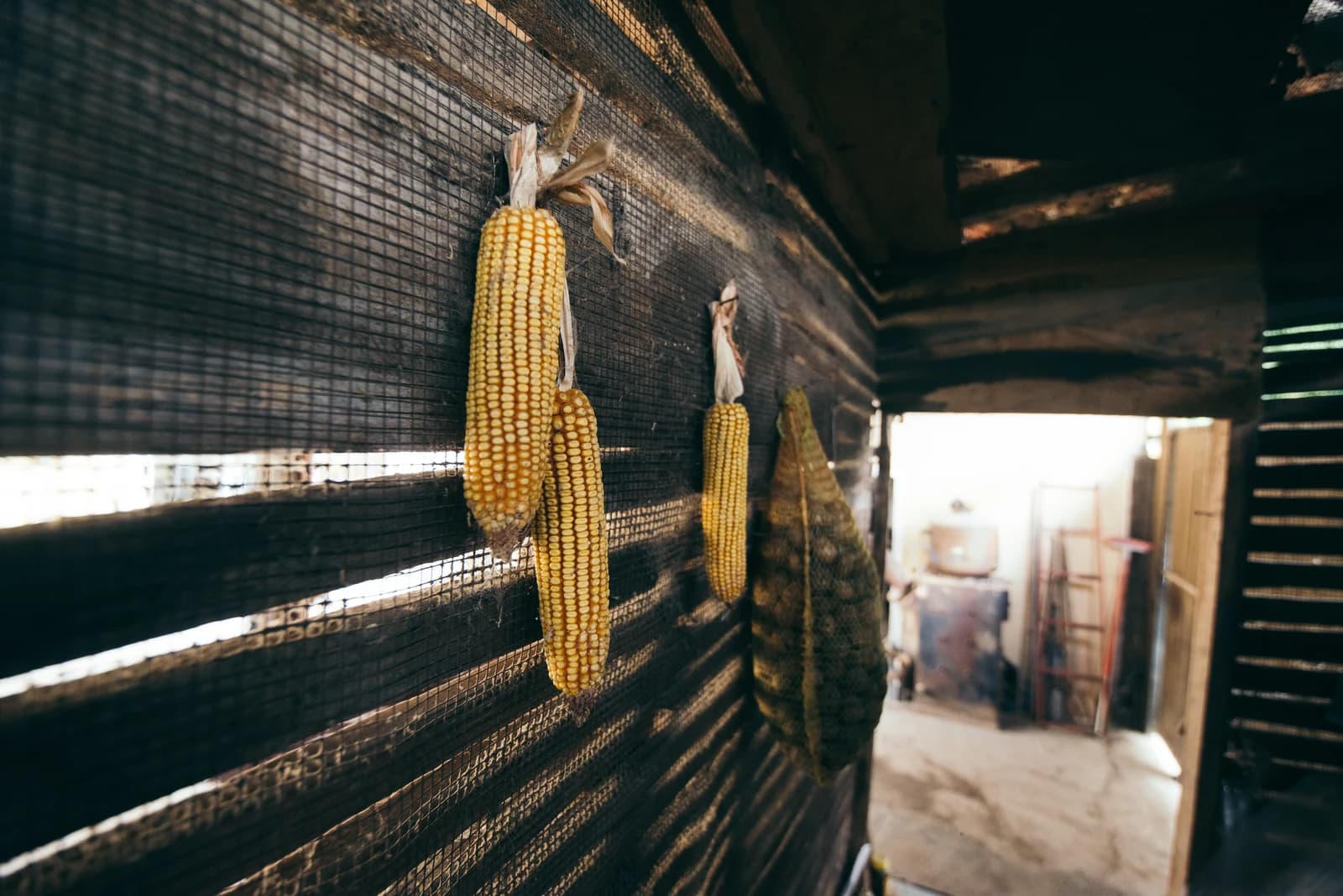
The practical issue is simple: once temperatures drop, sweet corn stops filling out, and kernels that have not reached the milk stage will not continue developing after harvest. That means the last cobs on the stalks are no longer just a gardening nuisance but a direct loss of saleable yield, especially for late varieties planted into soil that never fully warmed.
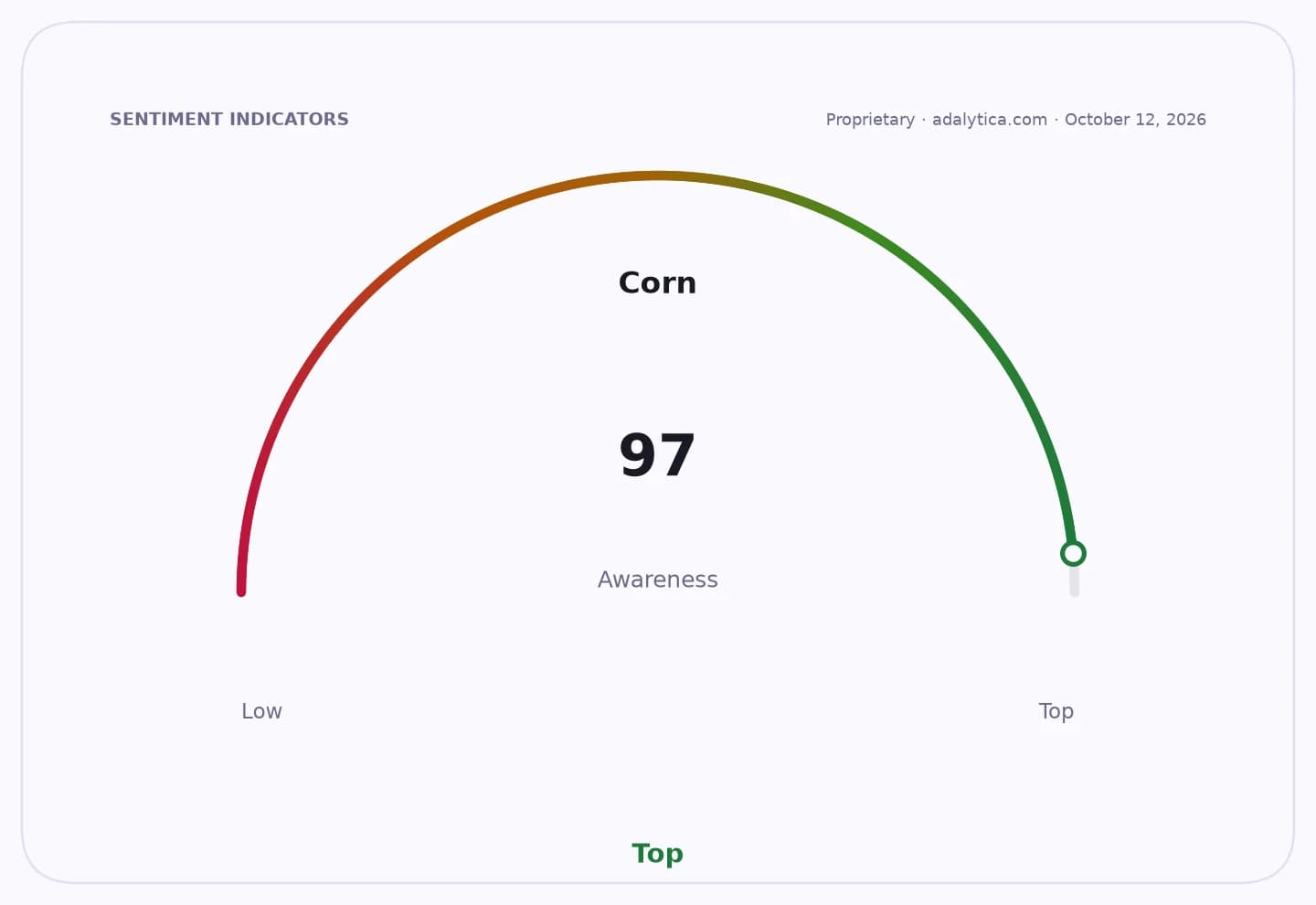
Sentiment IndicatorsⓘProprietary · adalytica.com · October 12, 2026
This is a snapshot — live sentiment, awareness and momentum for 130+ markets update continuously in the dashboard.Open AlphaPulse
That matters economically because corn remains one of the world’s most important feed, food and industrial crops, and any reduction in usable harvests tightens already variable regional supply. The context is mixed this season: drought has already cut yields in parts of Europe, with reports of losses of about 30% in Melsungen and nearly half in Upper Austria, while US harvest activity has pressured soybean prices even as wheat has rebounded. In other words, weather is not hurting every crop equally, but it is keeping agricultural markets uneven and volatile.
For traders and processors, the broader backdrop still points to a market sensitive to quality as much as quantity. Nearby corn futures have been choppy, with the CORN ETF falling from a recent peak above $20 to $18.42 on Oct. 9, while its 50-day moving average has only recently converged with the price after a summer rebound. The latest reading on Adalytica’s Corn Fear & Greed Index surged to 98, or “Extreme Greed,” even as that can reflect crowded positioning rather than durable fundamentals. The sharp move suggests investors are reacting to the prospect of tighter supply, but also that the trade may already be stretched if crop losses are less severe than feared.
The implications extend beyond the field. Archer-Daniels-Midland, one of the biggest handlers and processors of corn, has already said lower North American corn prices have shaped its carbohydrate-solutions business, showing how quickly farm-gate conditions flow into margins at the merchandising and processing level. Bunge has also been volatile, underscoring how grain merchants can benefit from trading dislocations while being exposed to abrupt changes in crop flow and basis levels.
For growers, the immediate calculus is less about pricing than salvage value. Harvesting too early sacrifices sweetness and weight; waiting too long risks frost damage and rapid quality loss. Sweet corn picked after a freeze may still be edible, but it loses the premium that makes it worth selling fresh. The more underdeveloped the ear, the less there is to recover in storage or on a counter at home.
The next catalyst is weather. If temperatures stay mild, some late fields can still add weight, but any hard frost will end that window quickly. For investors, that leaves the same trade-off that crops face in the ground: whether a weather-driven supply scare is temporary spoilage or the start of a more meaningful tightening in the corn complex.
| Entity | Gains | Losses |
|---|---|---|
| Farmers with mature corn | ▲Can harvest premium crop | ▼Face lower quality risk |
| Farmers with underripe corn | ▲Limited salvage via freezing/feed use | ▼Lose fresh-market value |
| Grain traders and processors | ▲Benefit from volatility and tighter supply | ▼Suffer if volumes fall |
| Consumers and food buyers | ▲May secure supply if weather eases | ▼Face firmer prices if losses deepen |