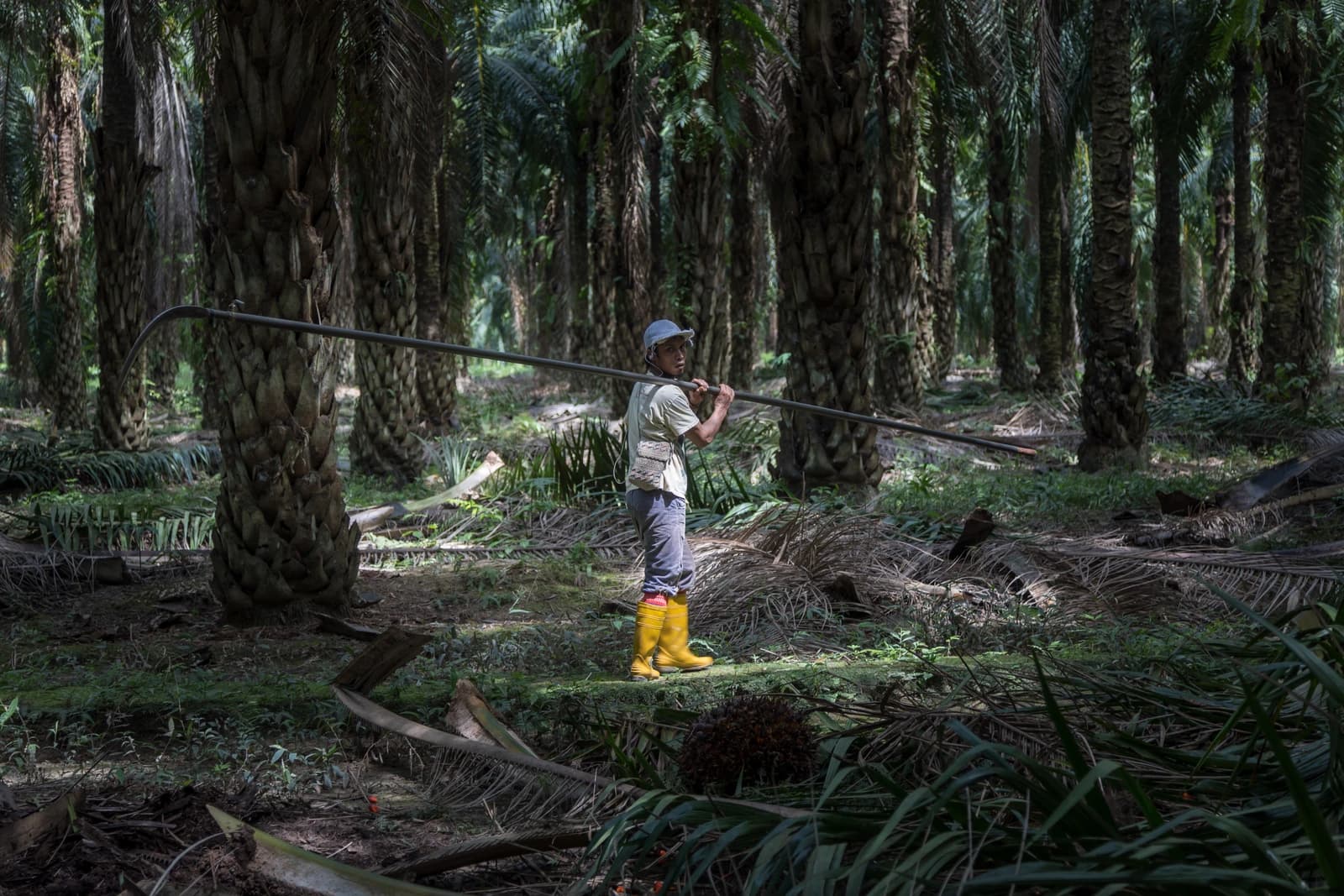
BANGKA, Indonesia — Universitas Bangka Belitung is helping farmers in Paya Benua develop local red rice with smarter cultivation methods, a push aimed at lifting yields, preserving indigenous seed stock and reducing Bangka’s reliance on imported rice as plantation expansion squeezes farmland.
Bangka red rice training lifts yields in Paya Benua
The program matters because the island’s traditional upland rice, or hume, has long been grown mainly for household consumption rather than as a commercial crop. With more land being converted to oil palm, academics say local rice output risks slipping further, a trend that can tighten supply and add pressure to food prices if farmers are forced to buy more grain from outside the region.
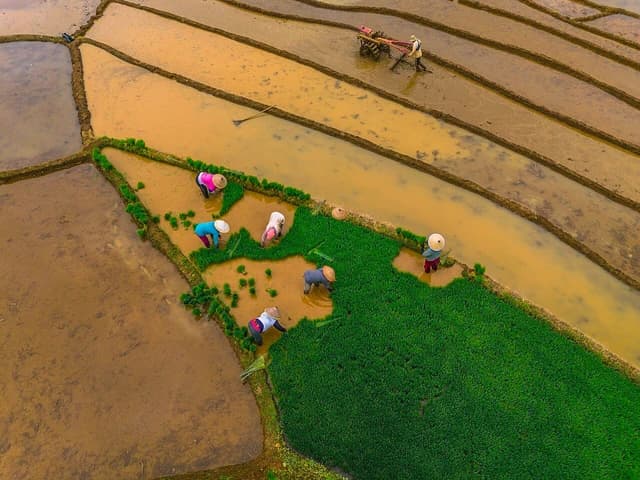
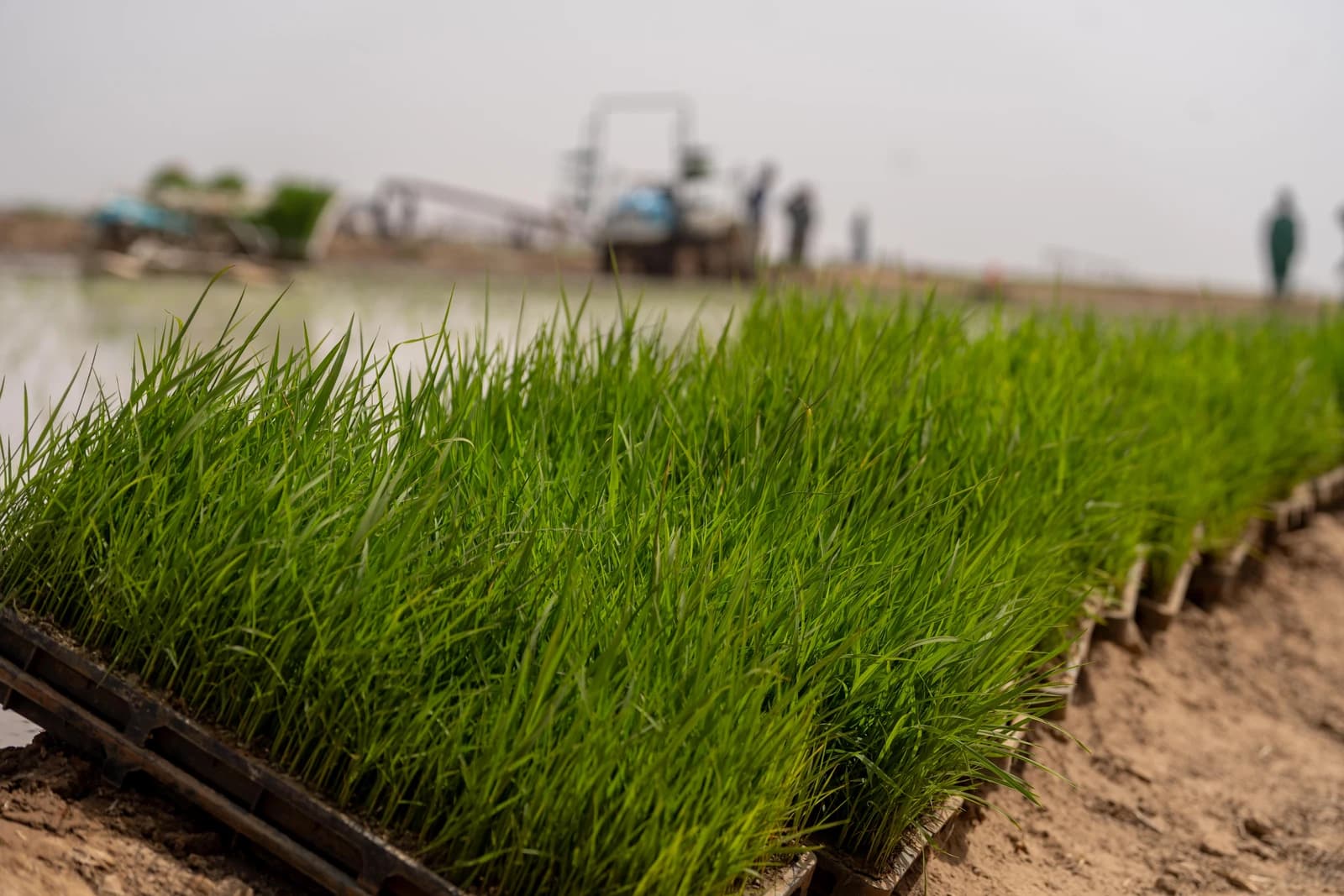
UBB’s community outreach project, run with Indonesia’s Ministry of Higher Education, Science and Technology, has spent two years trying to change that model. In 2025, the focus shifted to Good Agricultural Practice, including better land preparation, fertilization, pest control that is less harmful to the environment and the jajar legowo planting system designed to raise productivity.
The results have started to show. Farmers in Paya Benua harvested red rice in January 2026 after the training, marking an early sign that the crop can move beyond a subsistence role and into a higher-value local product.
That matters for farmers because red rice typically commands better pricing than white rice thanks to its anthocyanin, fiber and antioxidant content. If local growers can consistently produce marketable volumes, they may capture more value from a crop that was previously used mostly at home, while also strengthening food self-sufficiency in Bangka.
The effort also comes with clear operational risks. Upland rice fields in the area sit beside oil palm plantations, making them more vulnerable to rats and birds, while the push to preserve traditional cultivation faces the broader economic reality that plantation crops often compete more aggressively for land.
For investors and agribusiness watchers, the story underscores a wider Southeast Asian theme: governments and universities are trying to make rice farming more resilient and more commercial at the same time, using technology and agronomy to offset land pressure, pests and climate-related supply risks.
| Entity | Gains | Losses |
|---|---|---|
| UBB and Kemdiktisaintek | ▲Research impact; community reach | ▼Ongoing pest and land-pressure challenges |
| Paya Benua farmers | ▲Higher yields; better pricing potential | ▼More work; pest exposure |
| Bangka consumers | ▲Greater local rice supply | ▼Less if farmland keeps shifting to oil palm |
| Oil palm expansion | ▲More plantation land | ▼Rice acreage and food self-sufficiency |