Indonesia’s government is releasing 380,000 tons of broken rice from Bulog stocks at Rp11,000 per kilogram, a move aimed at easing food inflation and keeping small food businesses from being squeezed by expensive imported raw materials.
Indonesia releases 380,000 tons of broken rice
The sale matters because broken rice is not just a commodity trade: it is an input for thousands of small bakeries, home-based cake makers and noodle producers that depend on steady, affordable supplies. By tapping a large public stockpile and pricing it below the market stress seen in global rice markets, Jakarta is trying to prevent rising costs from feeding into consumer prices for everyday foods.
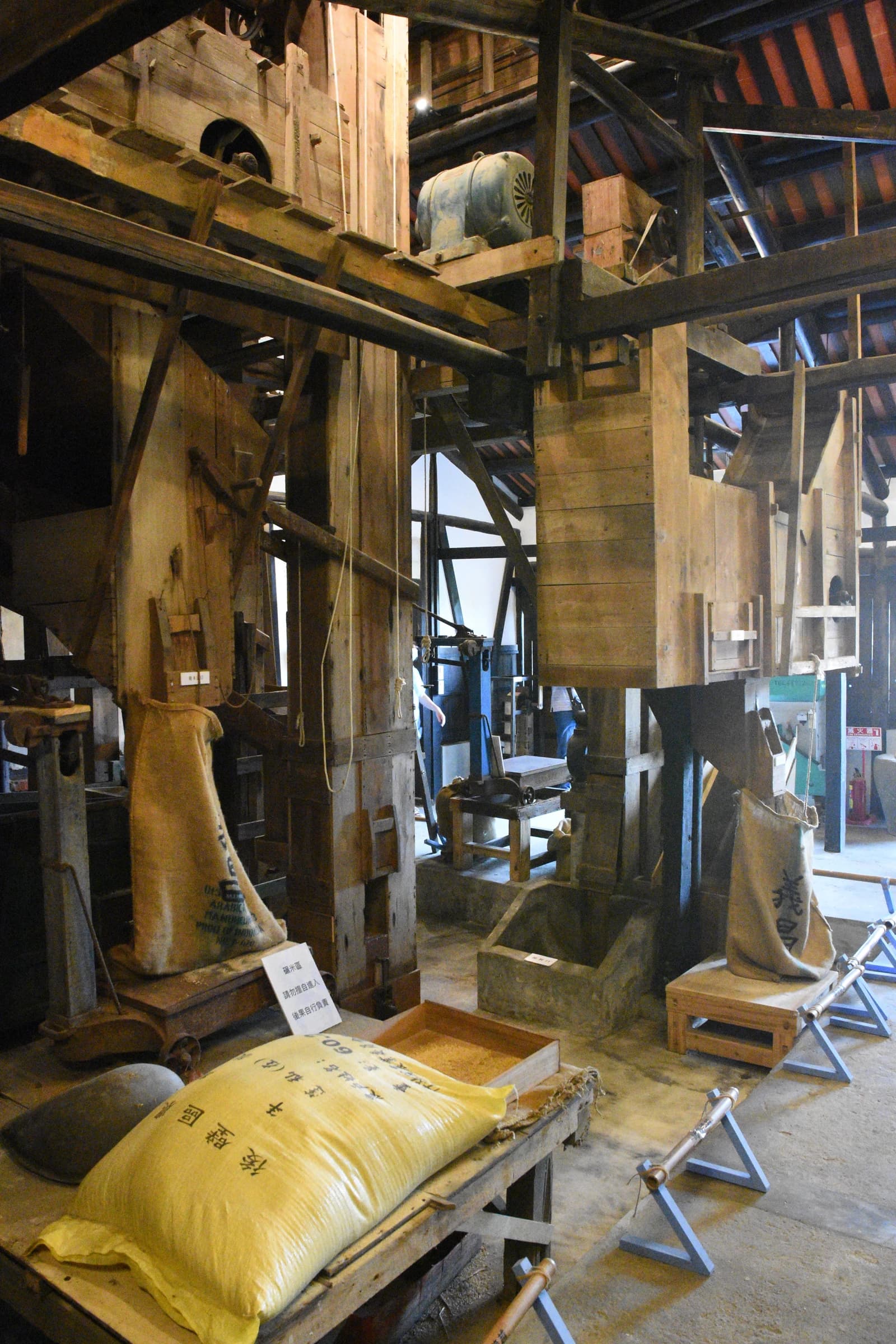
Food security officials said the rice had been stored at Bulog for about a year and would be auctioned or distributed through regional Bulog offices to micro, small and medium-sized enterprises. The policy is designed to reduce reliance on imports, especially for producers that have historically used broken rice from abroad. That matters economically because every rupiah added to raw-material costs eventually filters into the prices households pay for snacks, noodles and bakery products.
The government is not stopping at rice. It is also preparing 100,000 to 150,000 tons of corn from Bulog stocks for poultry farmers, to be sold at cost at Rp5,500 per kilogram. That is a direct response to higher feed costs that have been pushing up chicken and egg prices. In other words, Jakarta is trying to attack inflation from two of its most sensitive food channels at once: staple grains and animal feed.
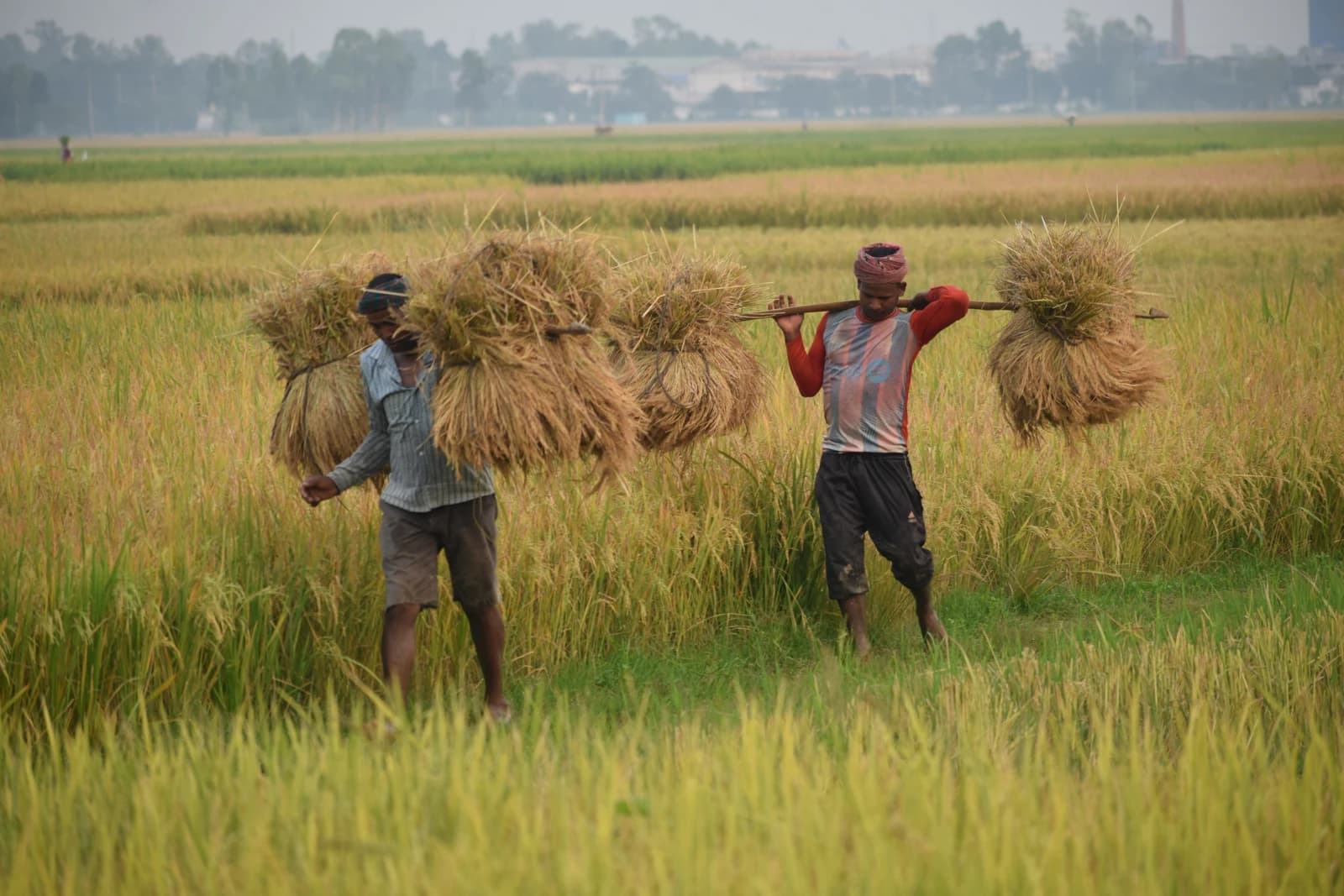
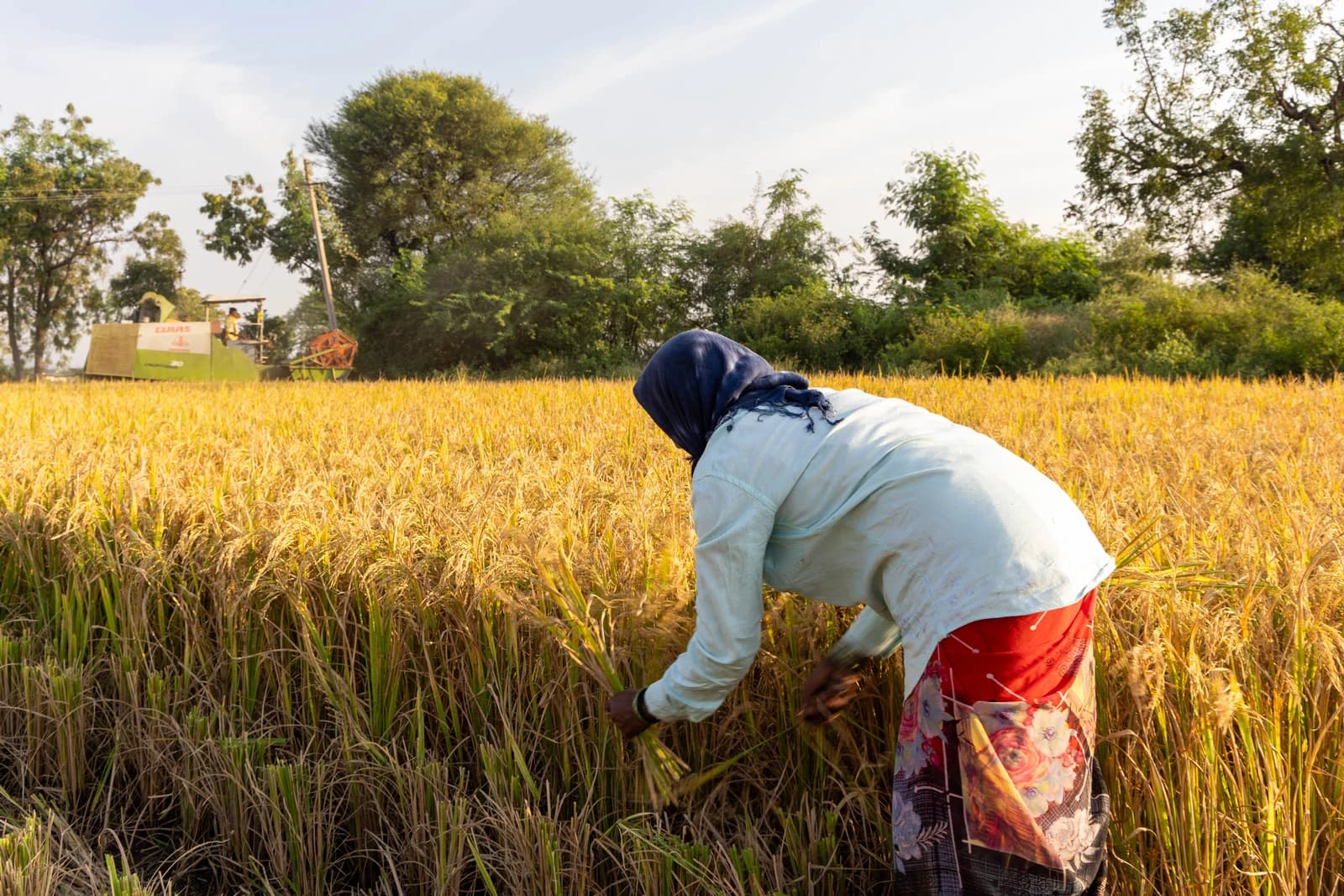
The timing is important. Rice prices are rising sharply in the broader region, with global broken rice values under pressure and Asian suppliers facing tighter export conditions. India has already doubled its rice sales target and may tighten restrictions on broken rice exports if prices keep climbing. Against that backdrop, Indonesia’s decision looks less like routine stock management and more like a pre-emptive supply shield.
For investors, the message is that food inflation remains a live policy risk across Asia, and governments are willing to intervene aggressively when staple prices rise. That can support domestic food distributors and regulated supply chains, but it can also cap upside for traders and importers that were betting on higher grain prices. The clearest beneficiaries are downstream producers of packaged foods, noodles, poultry and consumer staples; the losers are import-dependent buyers and anyone long on sustained rice scarcity.
The broader trade here is simple: governments are moving from passive stockpiling to active price management. If rice and feed costs keep rising, expect more intervention, more state-directed sales and tighter margins for speculators. For investors, the best positioning is in businesses with control over sourcing, distribution and pricing power, not in those exposed to volatile imported inputs.
| Entity | Gains | Losses |
|---|---|---|
| UMKM food producers | ▲Cheaper rice input | ▼Costly imported broken rice |
| Poultry farmers | ▲Lower feed costs | ▼Margin pressure from dear corn |
| Consumers | ▲Slower food inflation | ▼Higher retail food prices |
| Grain importers/speculators | ▲None | ▼Weaker scarcity trade |