Rice inflation in Indonesia fell to 3.73% in September, the lowest level in four years, as stronger stock availability and government food aid helped cool one of the country’s most politically sensitive price pressures.
Indonesia rice inflation falls to four-year low
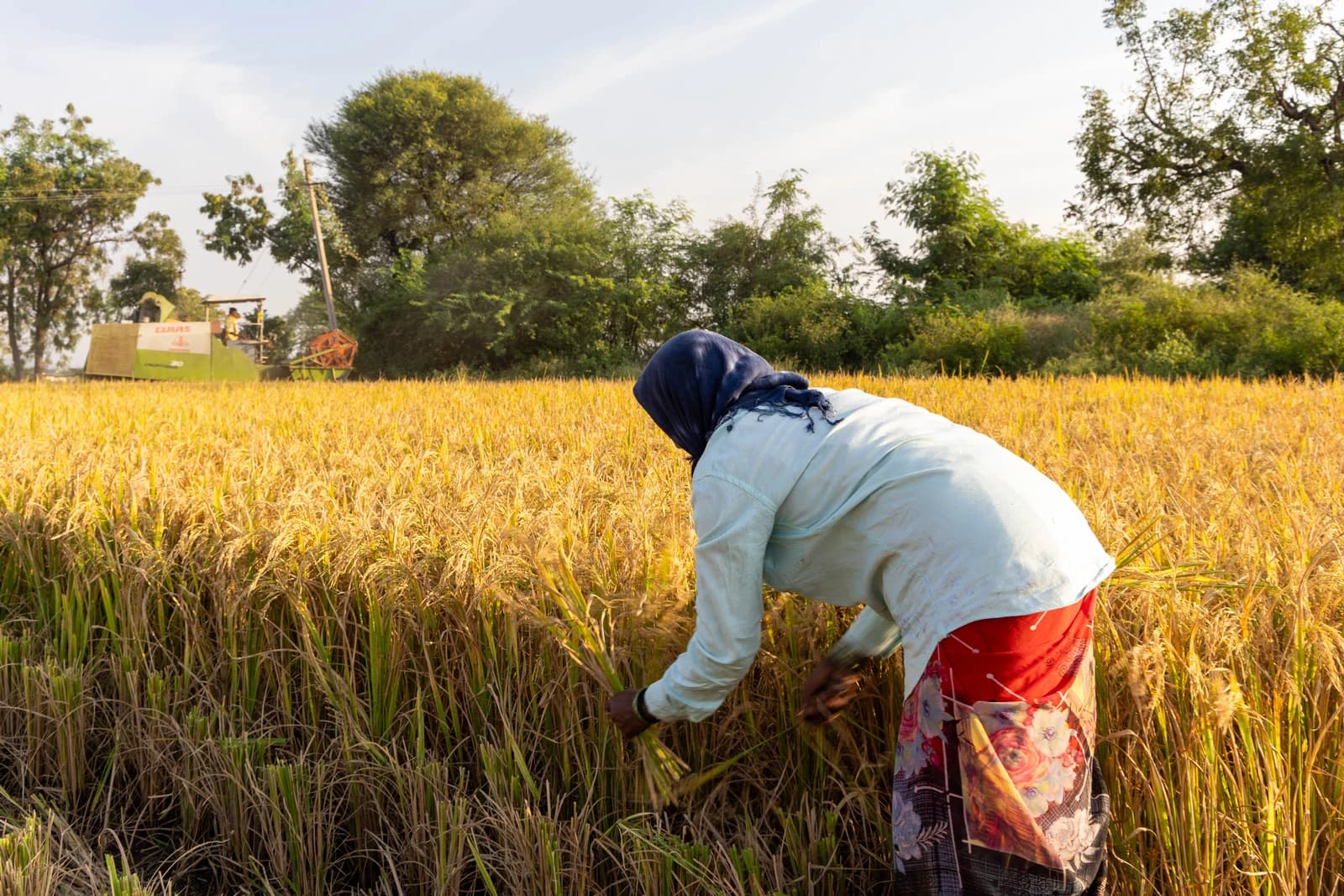
The easing matters because rice is a staple in Indonesia’s consumer basket and a key driver of household sentiment. Lower rice inflation can help slow headline food inflation, support real purchasing power and reduce the risk that elevated food costs spill into broader price pressures.
Sentiment Indicators
The data suggest the government’s intervention is having an effect. Authorities have leaned on larger stock buffers and subsidized food distribution to stabilize prices, a move that can limit spikes in the cost of living and ease pressure on low- and middle-income households most exposed to food inflation.
For investors, the drop in rice inflation is a modestly constructive signal for Indonesia’s macro backdrop. Softer food prices can improve visibility on consumer spending, support sentiment around domestic demand and reduce the odds of a tighter policy response if inflation stays contained.
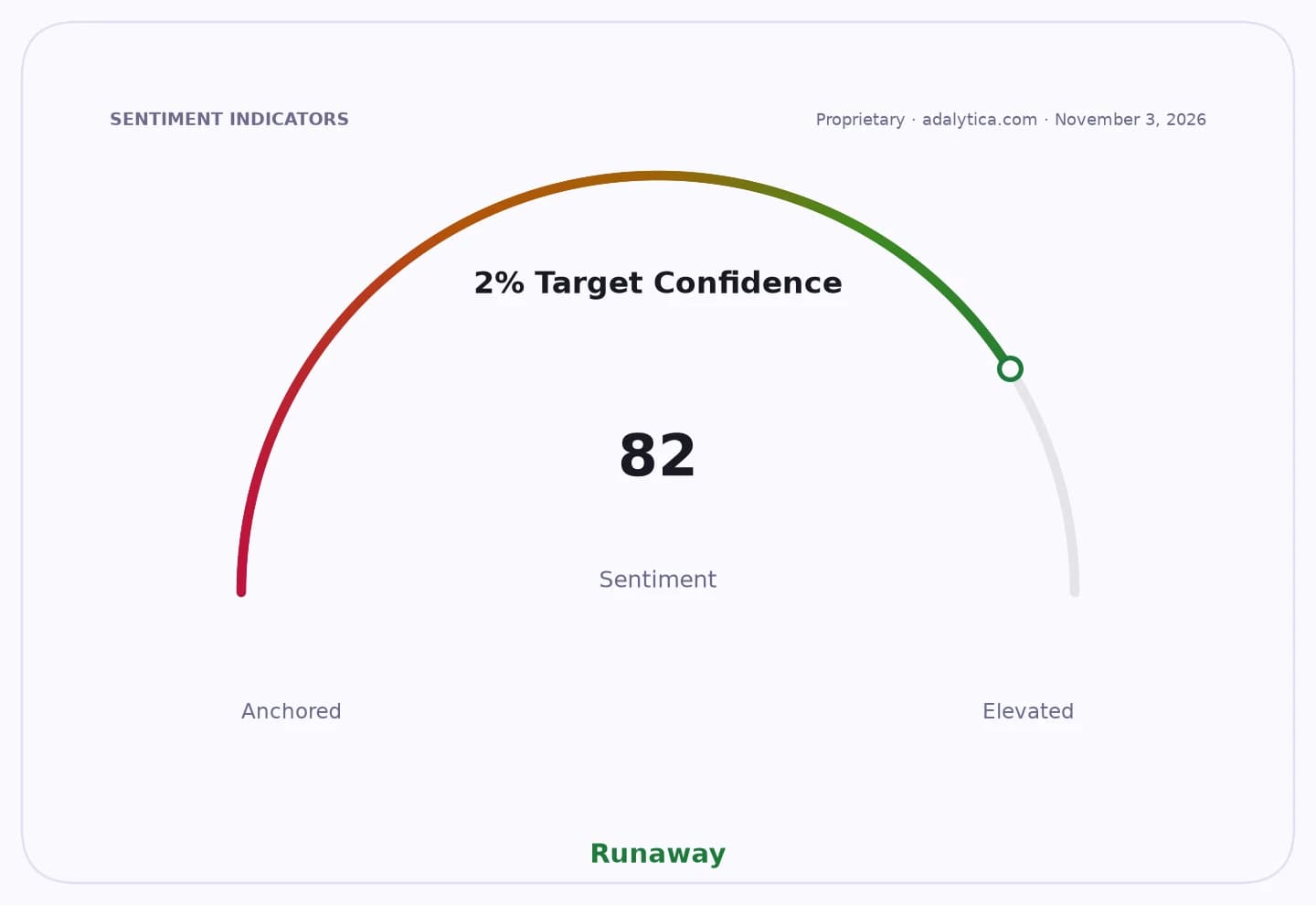
It also arrives at a time when inflation expectations are being watched closely across markets. Adalytica’s confidence gauge on the Fed’s 2% inflation target is at an extreme-greed reading, underscoring how sensitive global rate and bond markets remain to any sign that price pressures are cooling or reaccelerating.
The next test is whether the decline in rice inflation proves durable into the coming months. Traders and policymakers will be watching harvest conditions, stock management and food distribution programs to see whether September marks a floor or just a temporary reprieve.
| Entity | Gains | Losses |
|---|---|---|
| Indonesian households | ▲Lower food bills | ▼Less urgency for relief |
| Indonesian government | ▲Credit for price control | ▼Pressure if prices rebound |
| Food retailers/importers | ▲More stable demand | ▼Smaller inflation pass-through |
| Rice traders/speculators | ▲Calmer market | ▼Fewer pricing opportunities |