Indonesia’s trade minister has flagged a firmer US dollar as a potential trigger for higher import costs on staple goods, putting soybean and cooking oil prices back on the government’s watchlist at a time when food inflation remains a political and economic risk.
Indonesia Faces Higher Soybean, Cooking Oil Import Costs
Budi Santoso said the rupiah’s weakness against the dollar could feed through to imported commodities, especially soybeans and cooking oil, two products that are deeply embedded in Indonesia’s food chain and consumer basket. The warning matters because higher dollar-denominated input costs are often passed through quickly in countries that rely on overseas supply, squeezing household purchasing power and pressuring margins for food processors, traders and retailers.
Sentiment Indicators
The government’s response is to lean on logistics rather than price controls. Santoso said the priority is to keep goods moving and to spread supplies more evenly across regions, so local shortages do not magnify price spikes. That approach reflects a broader reality for policymakers: when imported food costs rise, distribution bottlenecks can be just as inflationary as the exchange rate itself.
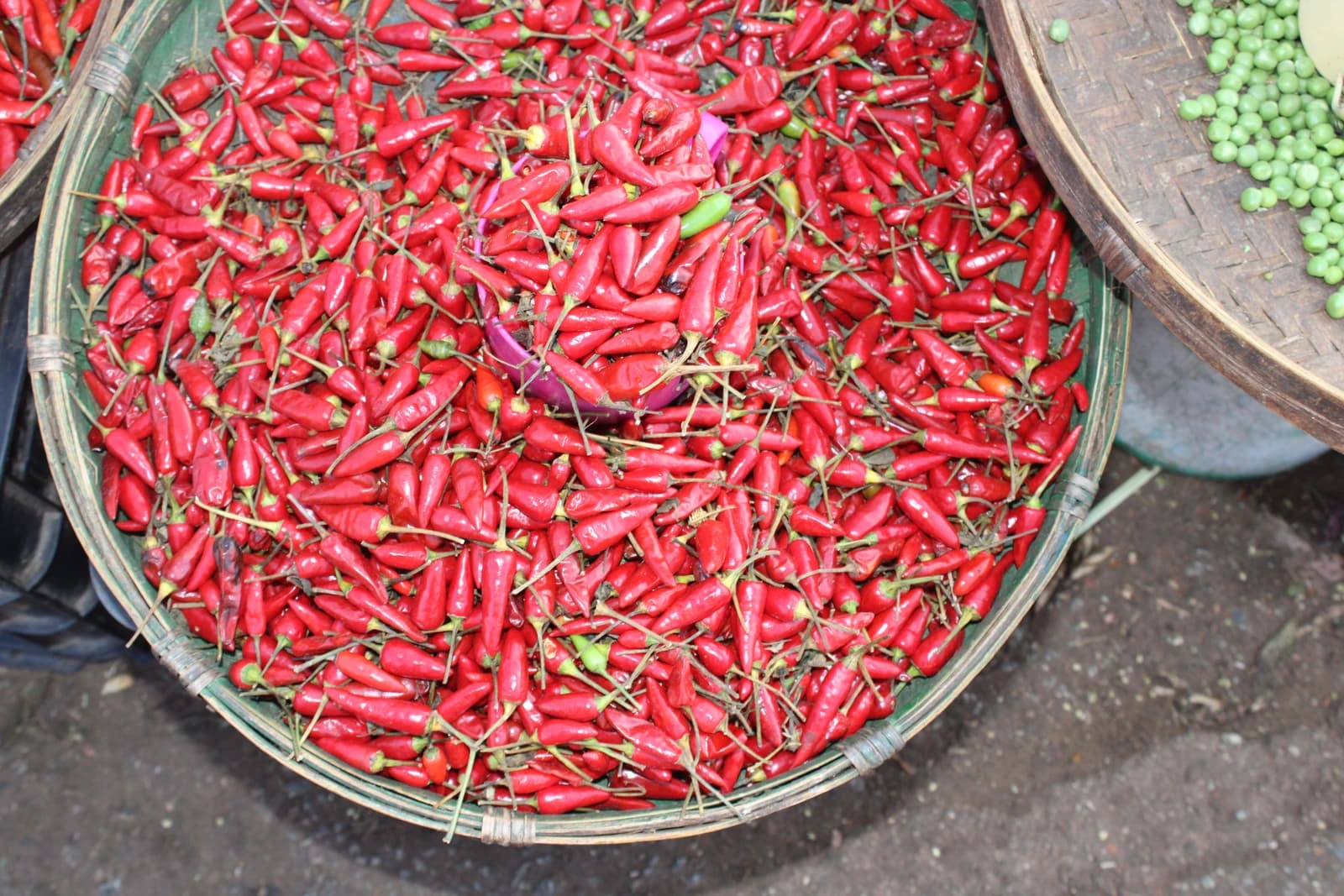
The comments come as Indonesia is already trying to stabilize other volatile staples. Officials have moved 7 tons of chili from East Java to North Maluku to ease shortages, and have shifted egg supplies from surplus to high-price areas. Santoso said the national average egg price is still at Rp26,400 per kilogram, below the Rp30,000 reference price, suggesting the immediate inflation risk is concentrated in a few items rather than the whole food basket.
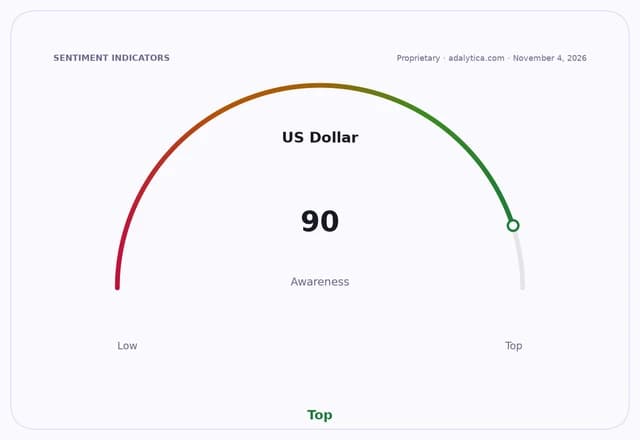
For investors, the combination of a stronger dollar and food-import exposure is a familiar inflation trade-off. A weaker currency raises the local-currency cost of soybeans, edible oils and other necessities, which can complicate the central bank’s policy outlook and keep pressure on consumer spending. It also raises questions about margins for import-dependent food companies unless they can pass through costs without hurting demand.
Commodity markets offer little comfort. Soybean futures tracked by the SOYB ETF remain elevated even after recent volatility, while the broader agricultural basket represented by DBA has also struggled to stabilize. Oil-linked input costs remain sensitive as well, and a firmer dollar typically tightens financial conditions for emerging markets by making imports more expensive and dollar funding less forgiving.
The policy question for Jakarta is how long distribution fixes can offset a currency-driven cost shock. If the dollar remains strong, the strain on soybean and cooking oil prices could widen beyond isolated shortages and become a broader inflation story, forcing policymakers to choose between protecting consumers and preserving market flexibility.
| Entity | Gains | Losses |
|---|---|---|
| Indonesian consumers | ▲Better logistics, steadier supply | ▼Higher food prices |
| Importers and food processors | ▲Clearer distribution support | ▼Higher dollar costs |
| Farmers and local suppliers | ▲Potentially stronger domestic demand | ▼Competition from expensive imports |
| Government policymakers | ▲Short-term inflation containment | ▼Less room if the dollar stays strong |