North Sumatra’s annual inflation climbed to 3.19% in October, with surging cayenne pepper prices doing the heaviest lifting and keeping pressure on consumer budgets in one of Indonesia’s key provinces.
North Sumatra Inflation Rises to 3.19% in October
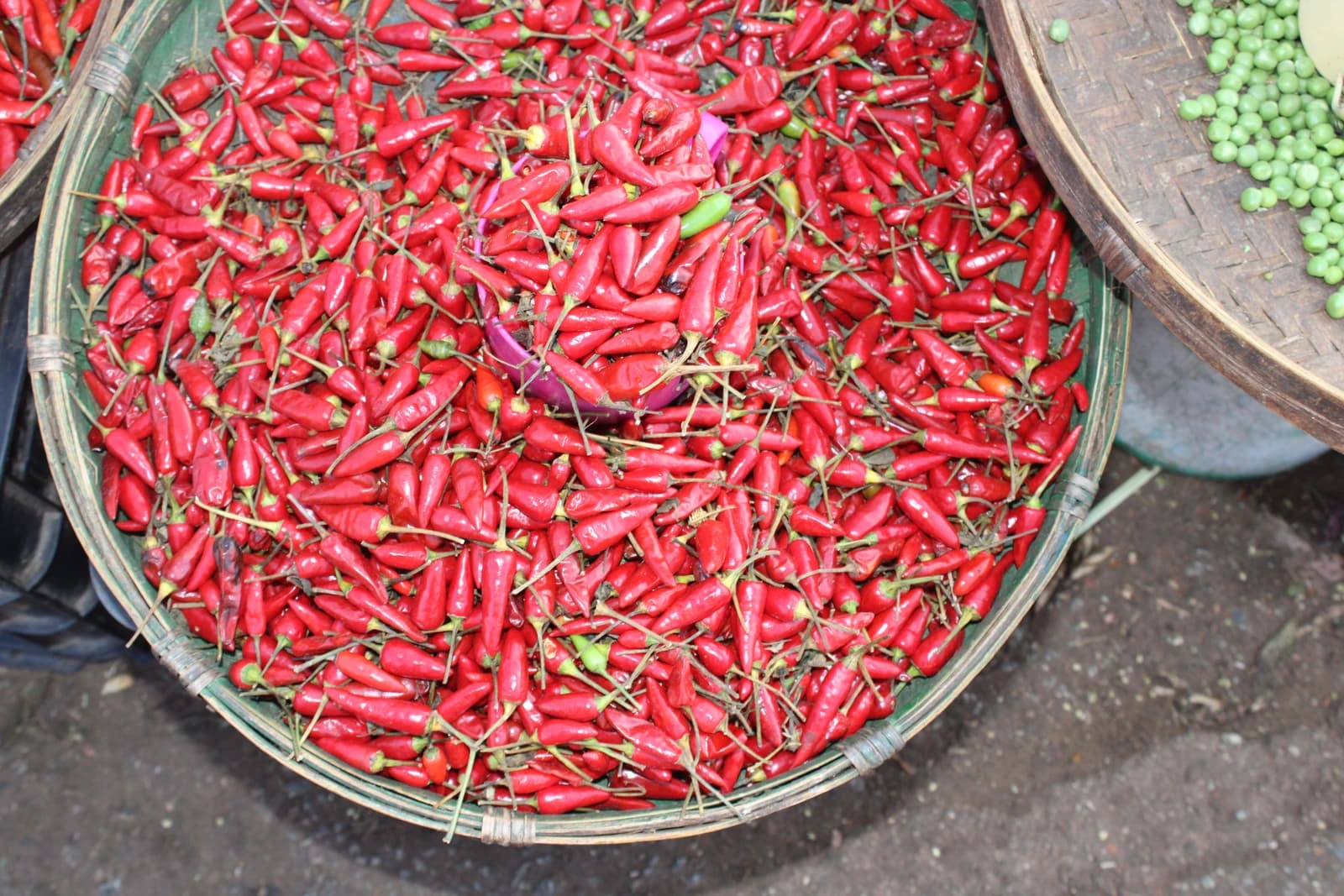
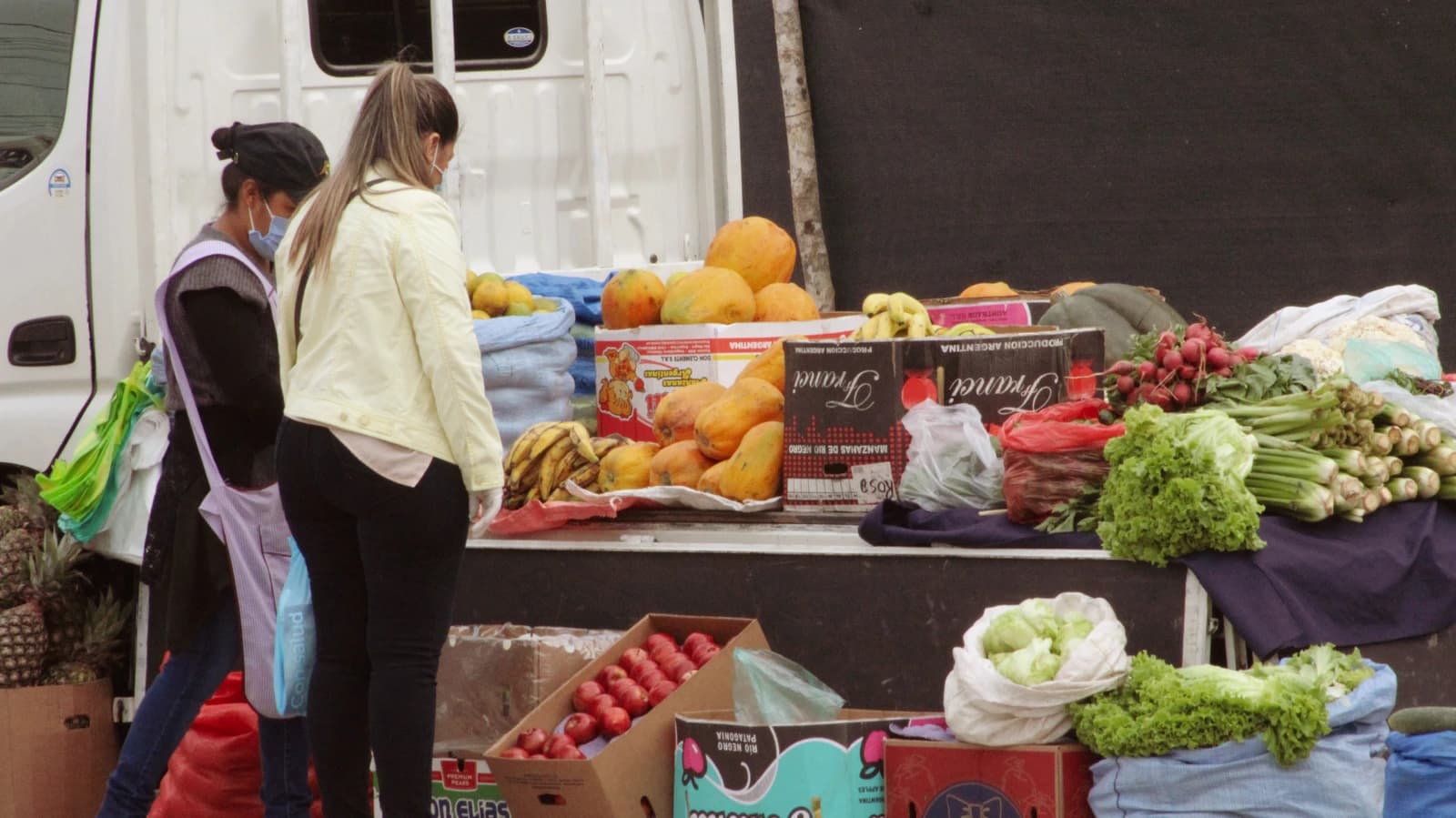
The reading matters because food inflation is hitting everyday spending rather than one-off imported goods, making it harder for households to absorb higher prices and for policymakers to say inflation is safely contained. In a region where staples carry outsized weight in the consumer basket, a spike in chili prices can quickly ripple through transport, restaurant and household costs.
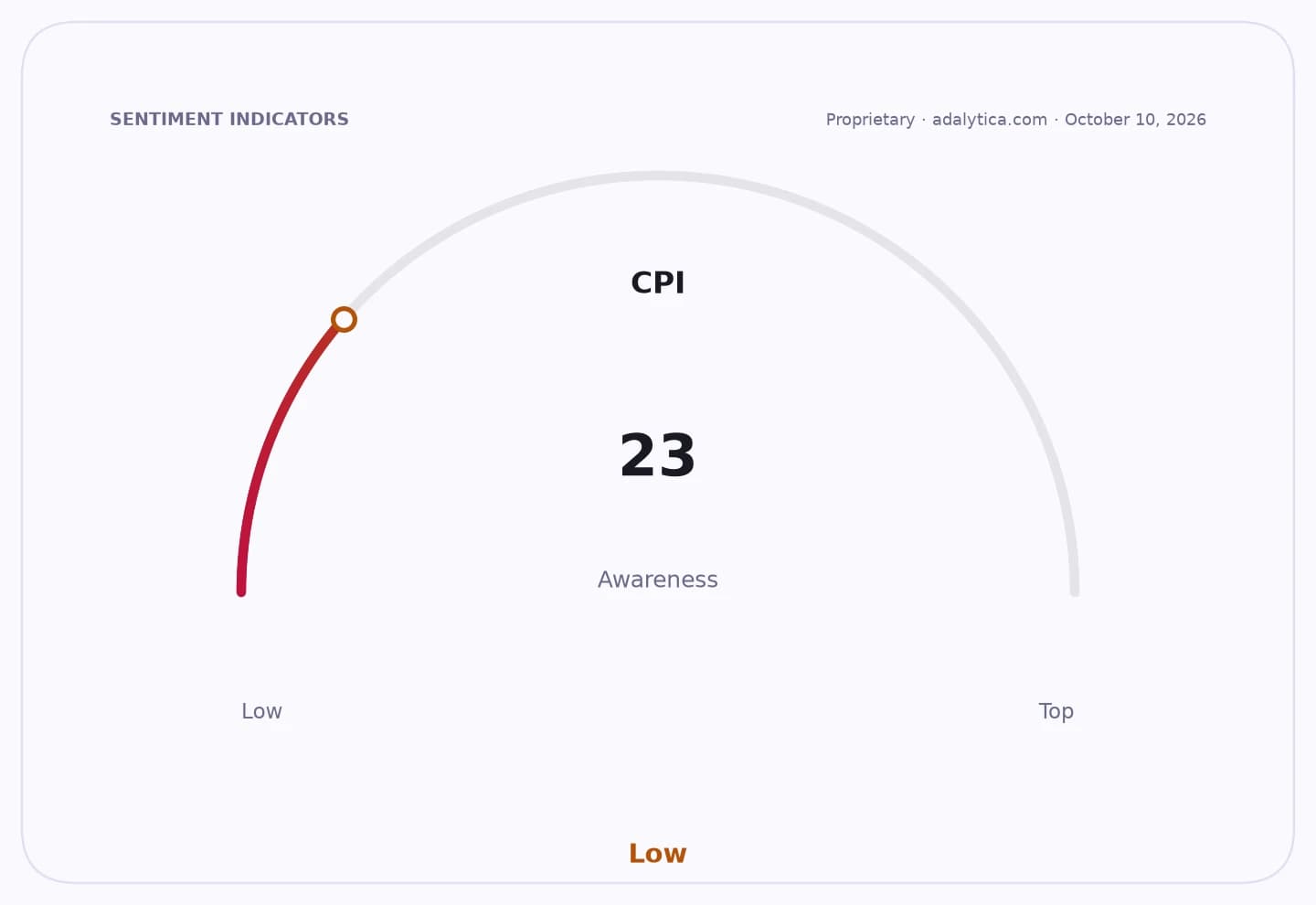
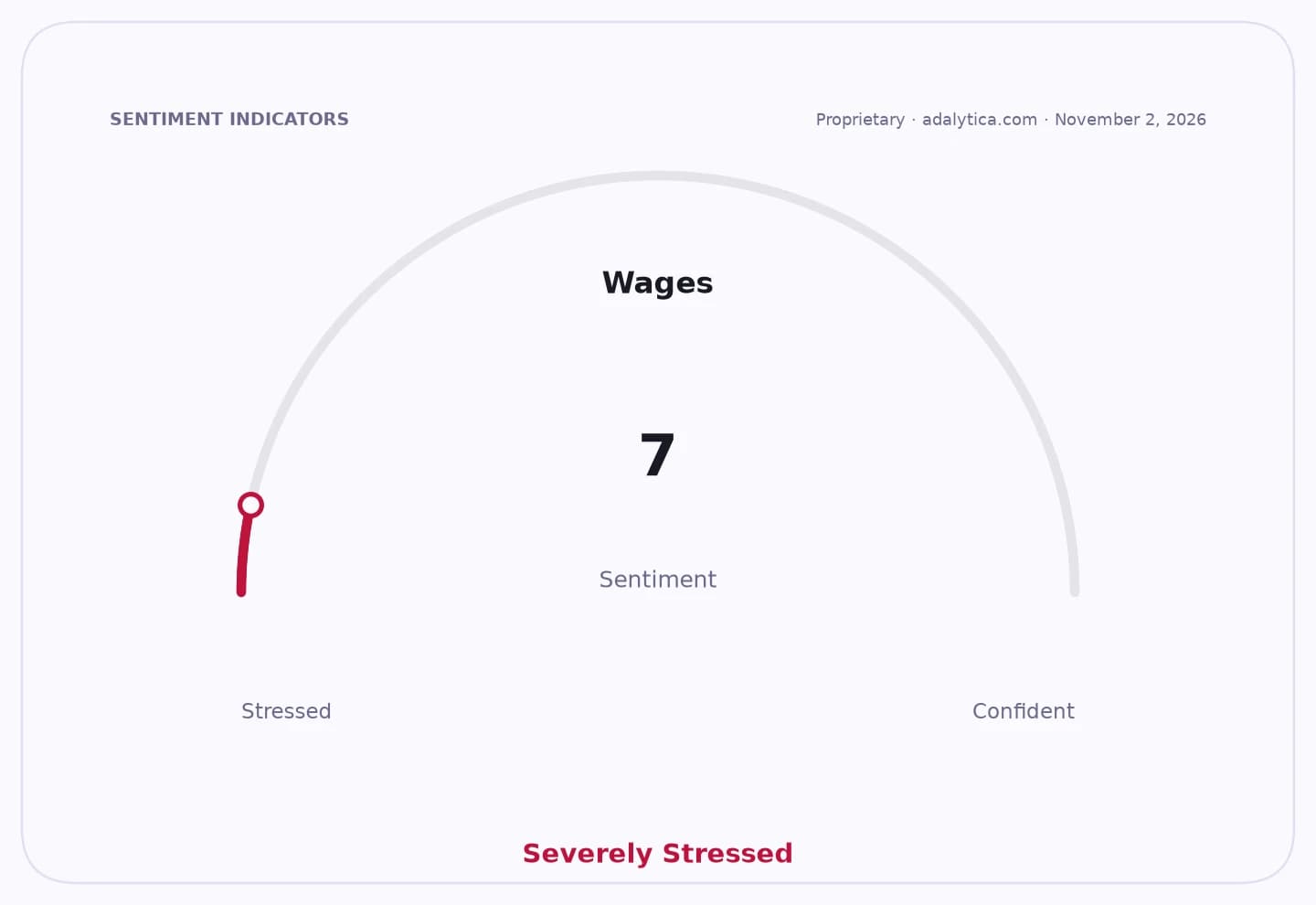
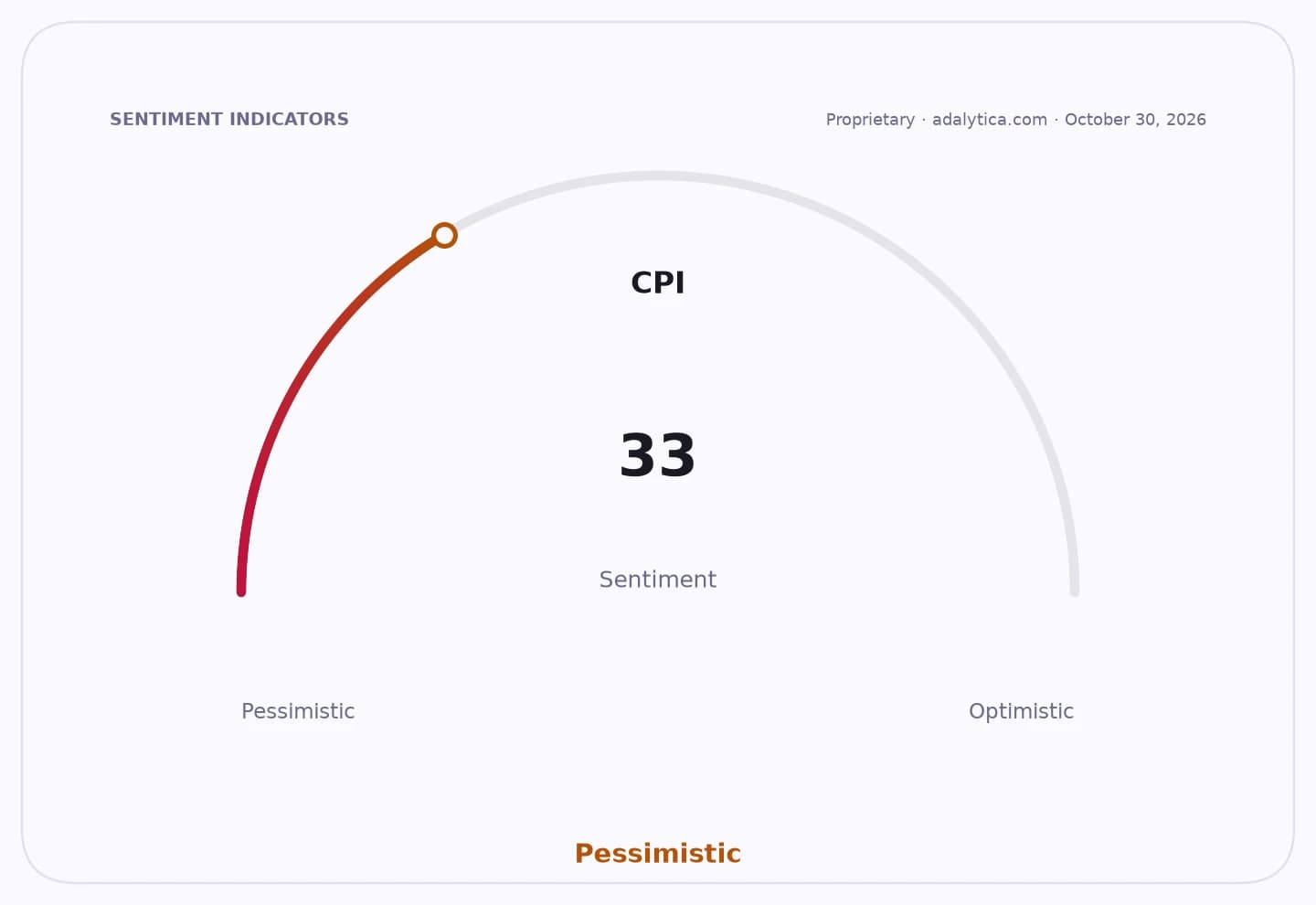
Sentiment Indicators

Rising food costs are especially sensitive for investors because they can weaken real consumption, squeeze retail margins and complicate monetary easing expectations if the broad price trend starts to spread beyond volatile foods. The move also reinforces a wider inflation pattern seen across emerging markets, where essential items have stayed sticky even as some fuel-related pressures ease.
The latest provincial inflation print comes at a time when global commodity markets remain vulnerable to weather, logistics disruptions and geopolitical shocks, all of which can keep food prices elevated. That leaves North Sumatra consumers exposed to further swings in the cost of basic goods, while businesses face a less predictable pricing environment heading into the year-end trading period.
| Entity | Gains | Losses |
|---|---|---|
| Cayenne pepper sellers | ▲Higher farm-gate prices | ▼Consumer demand sensitivity |
| North Sumatra households | ▲None | ▼Higher food bills |
| Retailers and eateries | ▲Ability to pass through costs | ▼Margin pressure |
| Policymakers | ▲Proof inflation is still being monitored | ▼Less room for complacency |