Diwali shoppers in Agra may soon pay a little more for jalebis, bedai and other festive sweets after the government raised commercial LPG cylinder prices again, adding to the cost squeeze on small sweet shops and snack makers.
Agra Sweet Shops Face Higher LPG Costs
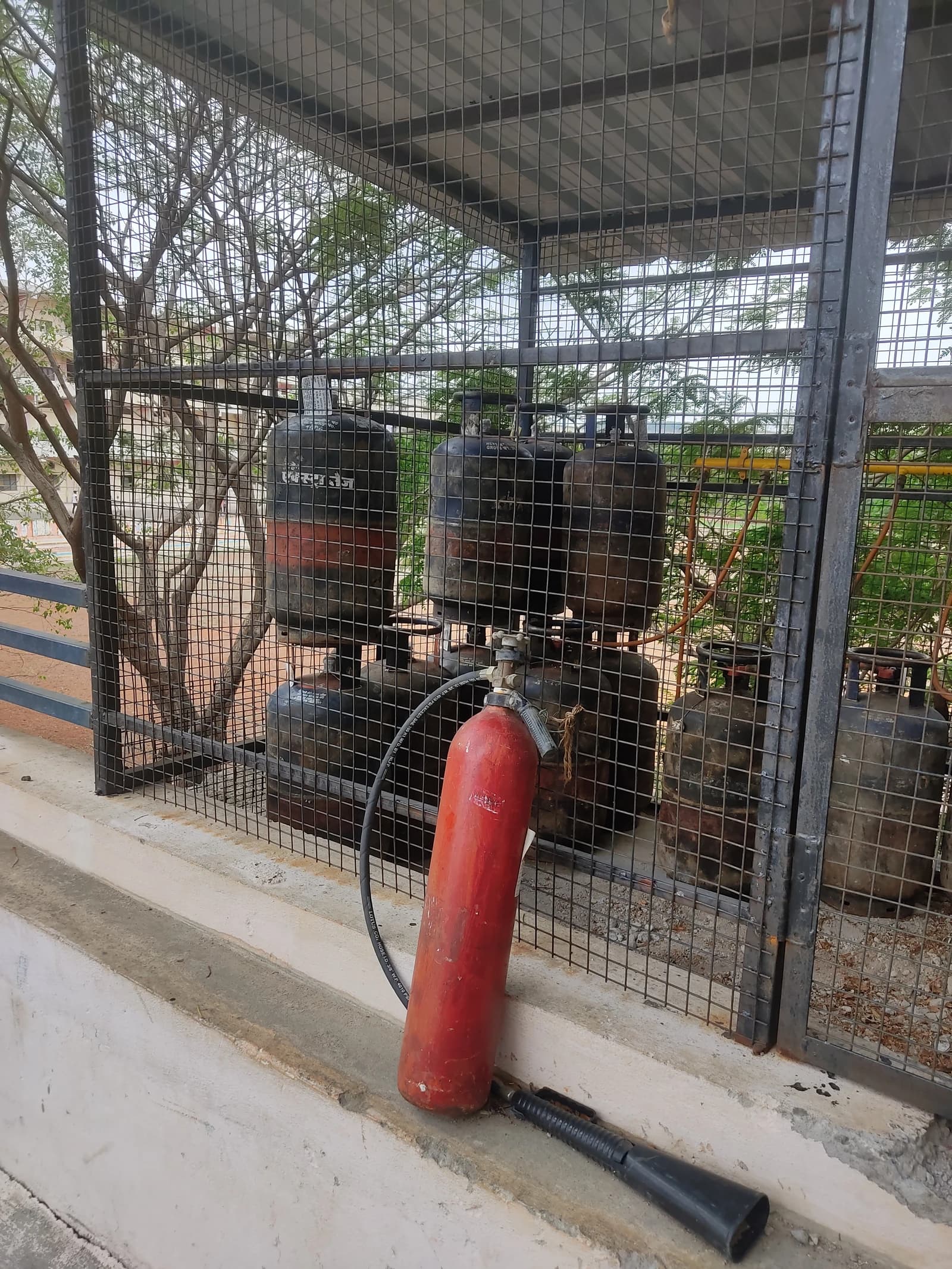
The increase is modest at first glance — 9.5 rupees on a commercial cylinder to 2,873.50 rupees, with the 5-kilogram free trade LPG cylinder up 2 rupees to 769 rupees — but it lands at exactly the wrong time for businesses that rely on cheap cooking fuel to serve a surge of holiday demand. In a city where sweets are not just a treat but a seasonal staple, even a small jump in input costs can force neighborhood shops to lift prices, trim margins or absorb the hit themselves.
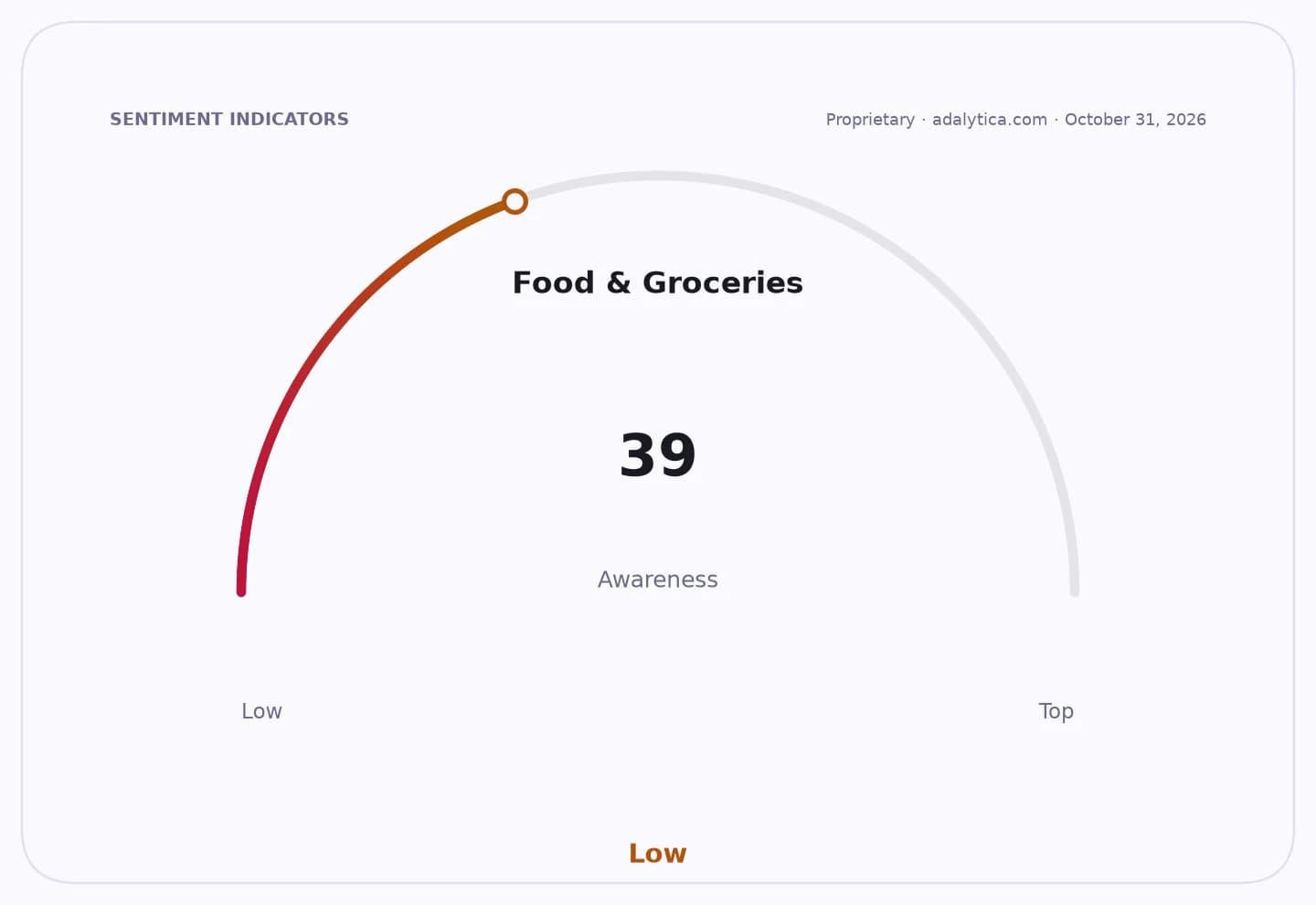
Sentiment Indicators
That matters because food inflation is rarely confined to a single item. Once fuel costs rise, they ripple through the small enterprises that make breakfast foods, fried snacks and mithai, especially in price-sensitive markets. Larger, established halwais may hold the line to protect sales, but smaller stores in local neighborhoods are more likely to pass on the cost to customers. That can shave demand just as Diwali spending typically peaks.
The timing also underscores a broader inflation problem. Even where consumer inflation is cooling in some markets, input costs can keep pressure on household budgets and business profitability. Energy is one of the most important embedded costs in the food chain, and repeated hikes in commercial cylinder prices — this is the third monthly increase, according to the report — can gradually feed into end prices without making headlines until shoppers notice their favorite sweets cost more.
For investors, the lesson is simple: inflation is not only a macro story, it is a margin story. In consumer staples and food services, companies with pricing power, efficient sourcing and scale can protect earnings better than small operators that live day to day on thin margins. In India’s broader consumption theme, that often favors organized players over fragmented local businesses, even if the latter feel the immediate pain first.
If the fuel-cost trend persists into the festive season, expect more shops to test higher prices, weaker households to trade down, and volume growth to soften at the margin. For long-term investors, this is another reminder that resilient businesses are those that can absorb input shocks without losing customers — worth watching, but not a reason to abandon the consumer story.
| Entity | Gains | Losses |
|---|---|---|
| Commercial LPG suppliers | ▲Higher revenue per cylinder | ▼Price-sensitive customers |
| Large sweet shops | ▲Better ability to hold margins | ▼Smaller rivals on thin margins |
| Small neighborhood mithai sellers | ▲- | ▼Higher fuel costs, weaker demand |
| Consumers in Agra | ▲- | ▼Higher Diwali sweet prices |