Gold and silver may be the stars of Dhanteras, but this year’s price backdrop is steering many festive shoppers toward lower-cost traditional buys instead of bullion. That matters because Dhanteras is one of India’s biggest seasonal demand events for precious metals, and when prices move sharply, it reshapes what households actually purchase.
Gold and Silver Prices Shift Dhanteras Buying
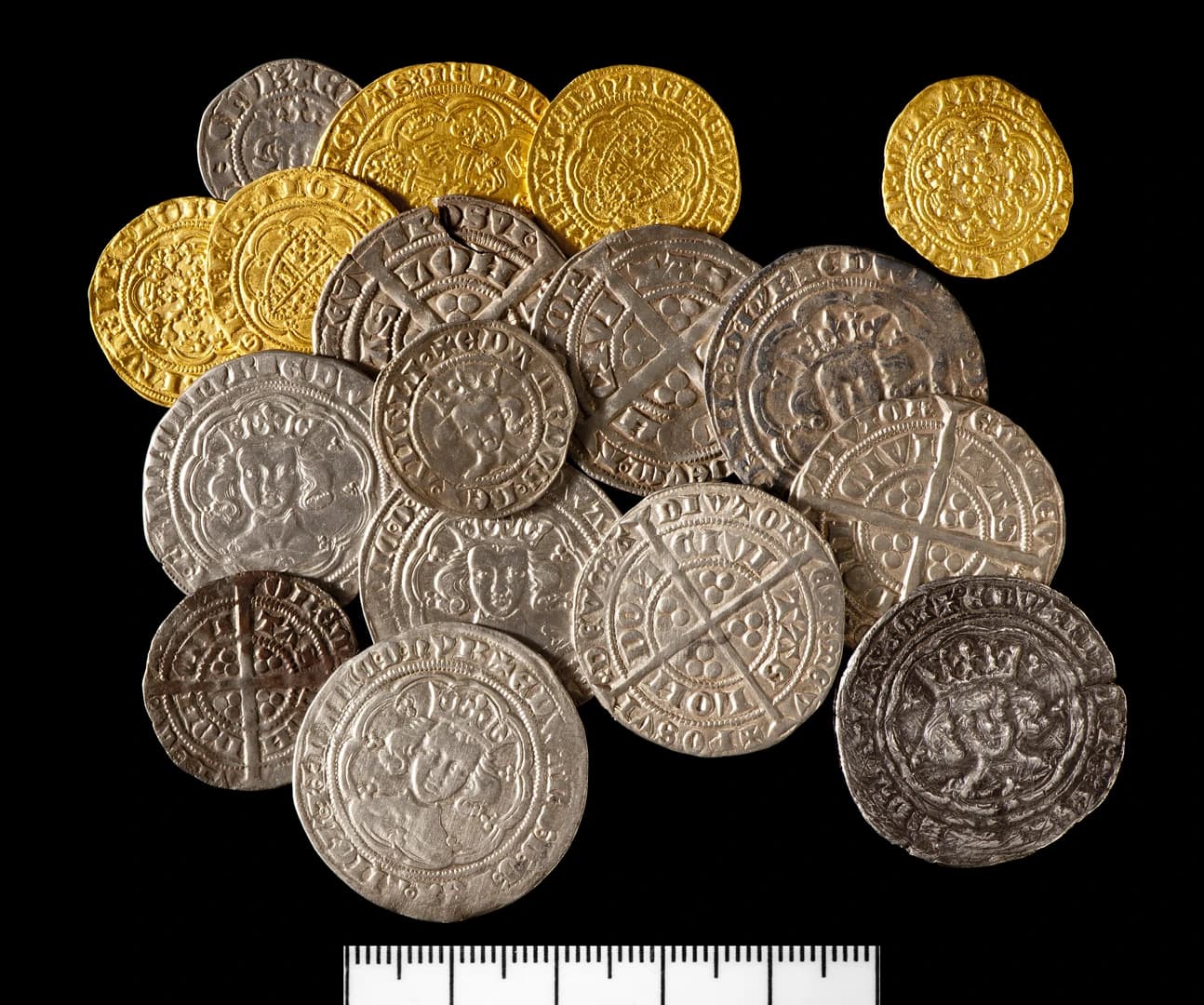
Gold
The latest market data show why the mood has changed. Gold-backed GLD has fallen to 361.56, far below its 50-day moving average of 389.34 and its 200-day average of 412.61, while its RSI reading of 33.7 suggests the metal is oversold. Silver-linked SLV ended at 45.57, also below both its 50-day and 200-day moving averages, with RSI at 24.9, a deeply stretched reading by conventional technical standards. In other words, the precious-metals trade has cooled just as festival demand is supposed to peak.
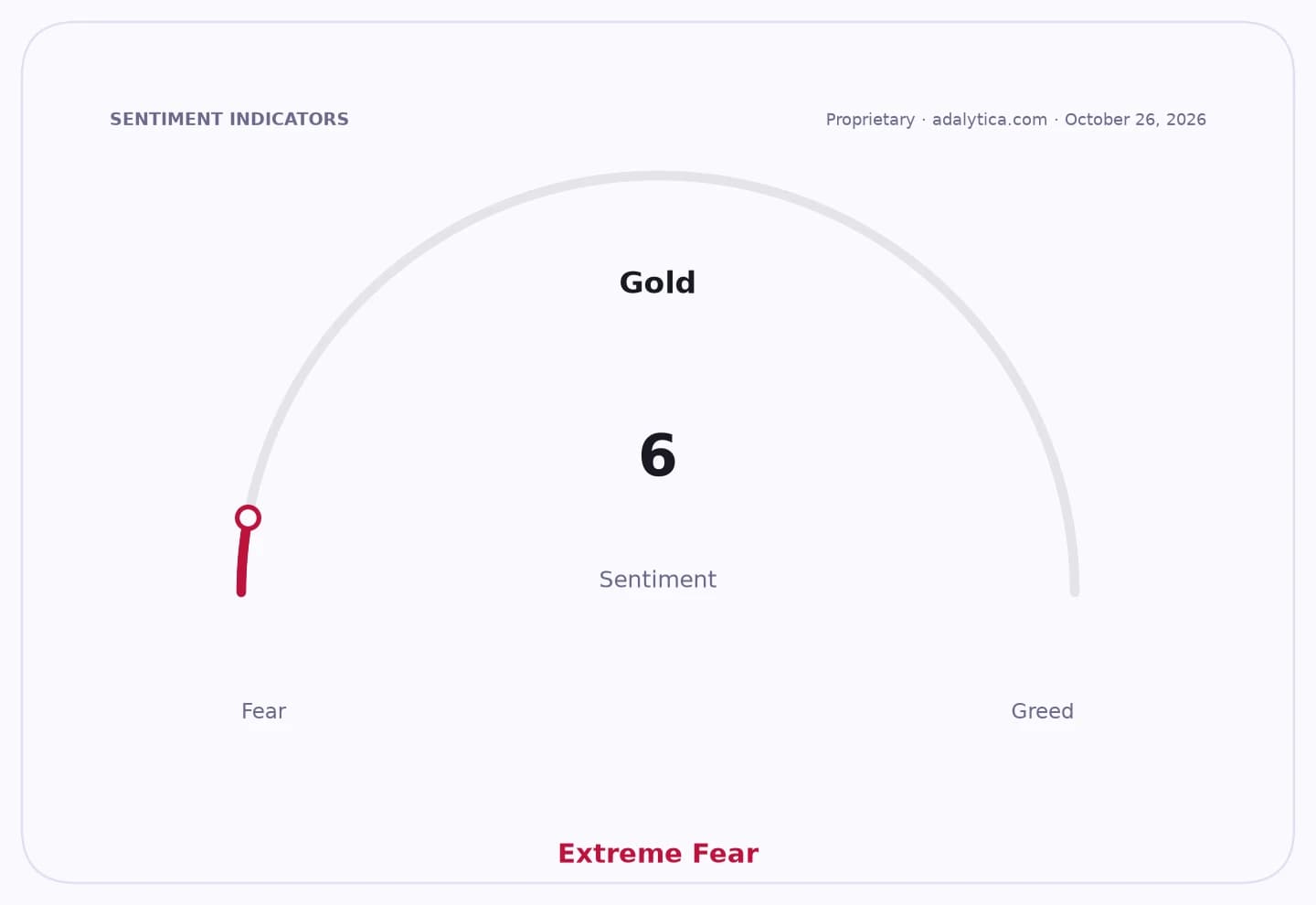
Sentiment Indicators
That drop is also arriving in a broader inflationary setting that has kept household budgets tight. The US consumer price index stood at 336.298 in September, up from 333.979 in May, while crude oil has swung sharply around $105 a barrel, a reminder that input costs remain volatile. For shoppers, that combination makes expensive gold and silver purchases harder to justify, even when tradition points them in that direction.
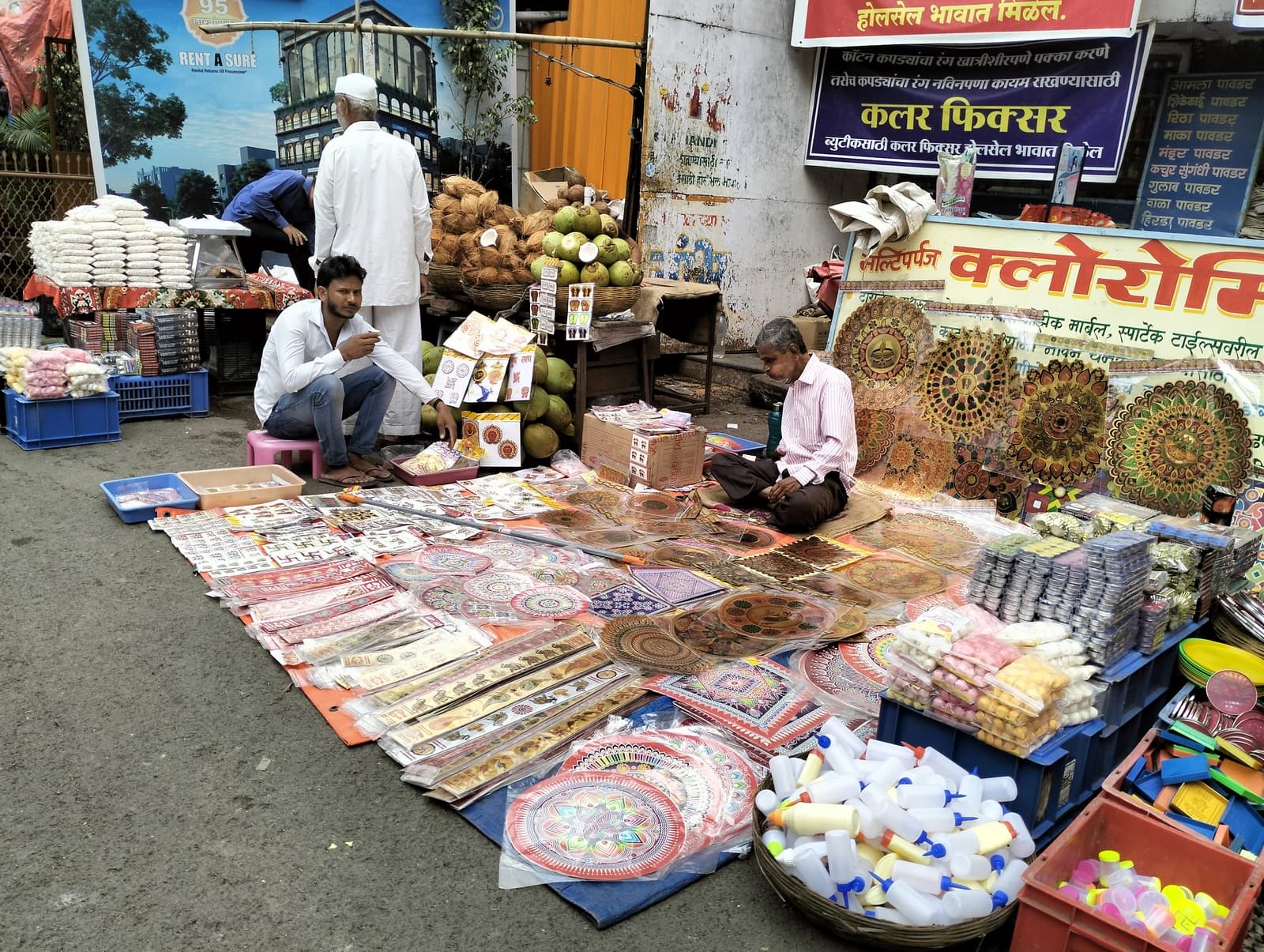
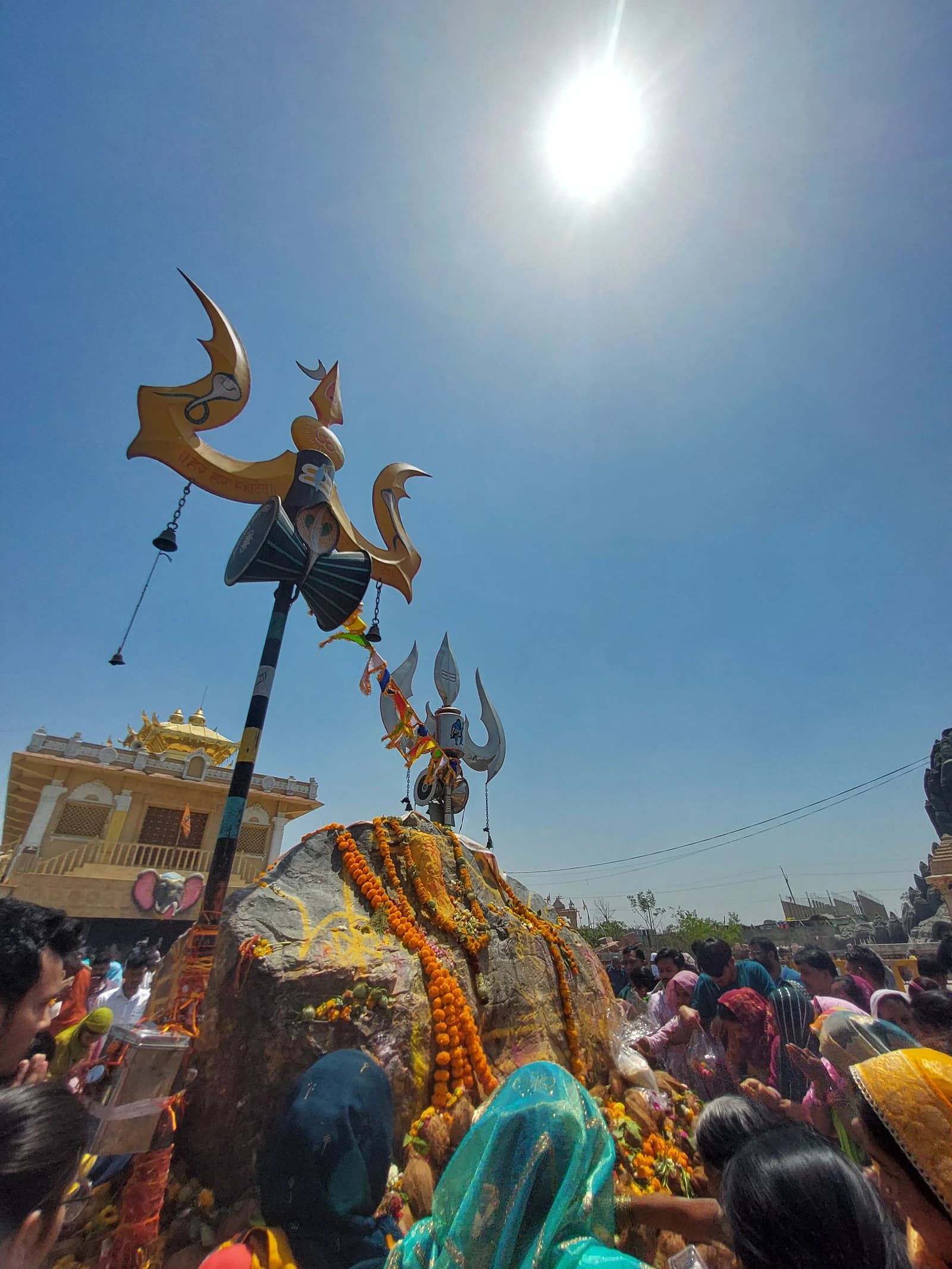
For investors, the bigger story is not whether Dhanteras shopping shifts a few jewelry sales from one category to another. It is that cultural buying remains resilient, but price sensitivity is rising. When bullion becomes too expensive, demand does not disappear; it migrates into cheaper auspicious items such as Gomti chakras, cowries, conches, Ganesh-Lakshmi idols, brooms, utensils, clay lamps, and khil-batasha. Those are lower-ticket purchases, but they still capture the festival impulse that supports India’s seasonal retail economy.
Gold — 30-day sentimentadalytica.com
Explore this data interactively — full history, time series and cross-market comparisons.
That dynamic matters for businesses exposed to festive spending. Jewelry makers and bullion sellers may see some demand delayed or downsized if buyers trade down from gold and silver to symbolic items. By contrast, small retailers, temple-goods sellers, and mass-market homeware vendors could benefit from more volume at lower price points. Even in a pricey environment, Dhanteras still moves money; it just does not all flow into precious metals.
The long-term takeaway is simple: festival demand in India is durable, but it is not immune to asset prices. If gold and silver stay elevated, more shoppers are likely to follow the same path and choose affordable auspicious goods instead. For investors, that means watching not just bullion prices, but also the retailers and consumer names that profit when tradition meets tighter wallets.
| Entity | Gains | Losses |
|---|---|---|
| Low-cost festive retailers | ▲Higher volume demand | ▼Price competition |
| Jewelry and bullion sellers | ▲Premium margins on fewer sales | ▼Trade-down demand |
| Household buyers | ▲More affordable auspicious purchases | ▼Less gold and silver bought |
| Temple-goods and homeware sellers | ▲Seasonal footfall boost | ▼Limited ticket size |