Rice prices in Karnataka are moving toward Rs 100 a kilogram as drought and erratic monsoon rains curb paddy output, tightening supply for households, restaurants and traders in one of India’s major staple markets.
Karnataka rice prices near Rs 100 a kg
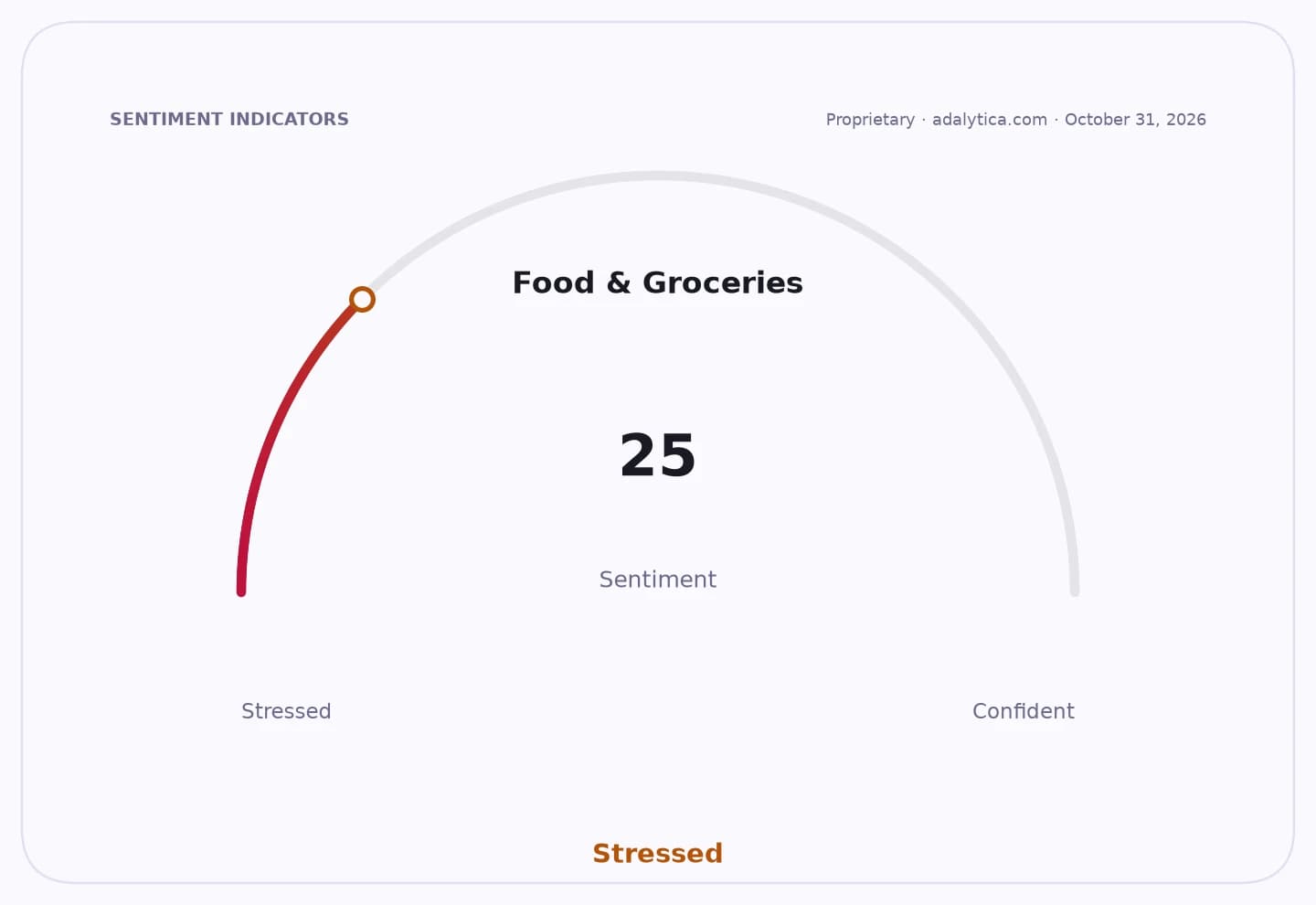
Food & Groceries
The rise matters because rice is not a discretionary purchase in the state; it is a daily necessity and a key input for the broader food economy. As the price of Sona Masoori, the preferred variety for many urban consumers, climbs from about Rs 69 a kg a few months ago to above Rs 90 in wholesale markets, the shock is feeding straight into monthly budgets for lower- and middle-income families and into margins for hotels and restaurants that cannot easily pass on costs.
Sentiment Indicators
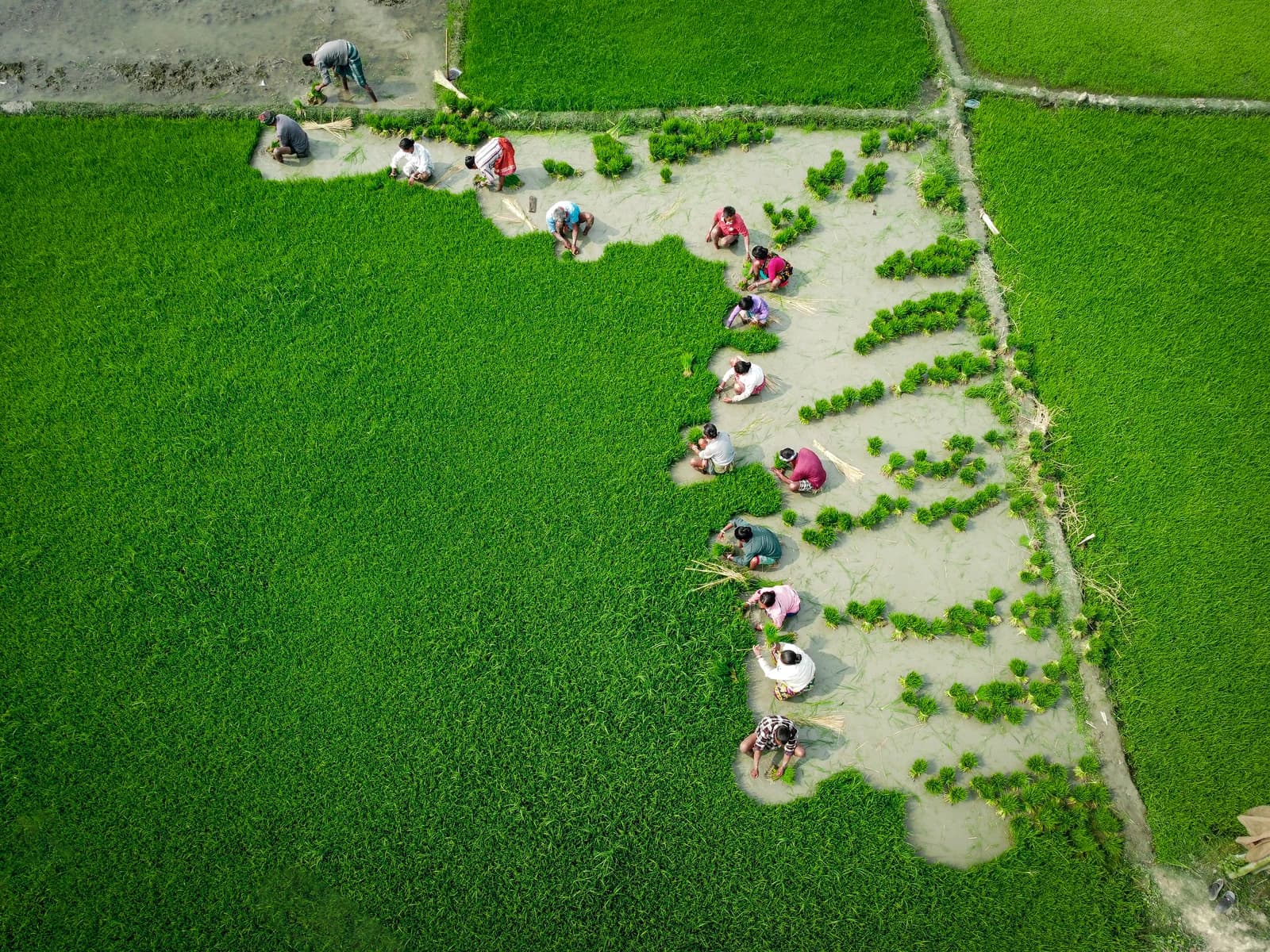
The price move reflects a classic supply squeeze. Rainfall shortages have hit paddy-growing districts including Raichur, Koppal, Ballari, Vijayanagar, Mysuru and Mandya, reducing sowing area and raising the odds of a weaker harvest. With water storage in key reservoirs falling sharply, farmers are already facing lower yields, while traders are bracing for a period of thinner market arrivals before the new crop comes in.
That dynamic has broader inflation implications. Food inflation is often the most politically sensitive part of consumer price pressure in India because it hits immediately and disproportionately affects poorer households. Even if overall inflation remains contained, a spike in staple prices can erode real incomes, alter spending patterns and force local businesses to choose between absorbing higher input costs or raising prices and risking demand.
For investors, the immediate relevance is in consumer and food-service margins, not just agricultural prices. Hotels, restaurants and caterers in Karnataka are exposed to higher procurement costs, while retailers and wholesalers may see sharper working-capital pressure if stock turns slower and replacement costs keep rising. The inflation impulse also matters for local discretionary spending, as households divert money toward food staples and away from non-essential purchases.
There is also a policy angle. The market is now looking to the state government and, potentially, central agencies to prevent speculative hoarding and stabilize supply through monitoring, releases from stocks or other intervention. Without that, prices could overshoot further until the next crop reaches the market. The key near-term catalyst is whether supply normalizes before demand from households and the hospitality sector is forced to absorb another leg higher.
| Entity | Gains | Losses |
|---|---|---|
| Rice traders with inventory | ▲Higher selling prices | ▼Supply risk |
| Farmers with surviving crop | ▲Better farmgate pricing | ▼Lower yields overall |
| Households and wage earners | ▲None | ▼Higher monthly food bills |
| Hotels and restaurants | ▲None | ▼Margin pressure |