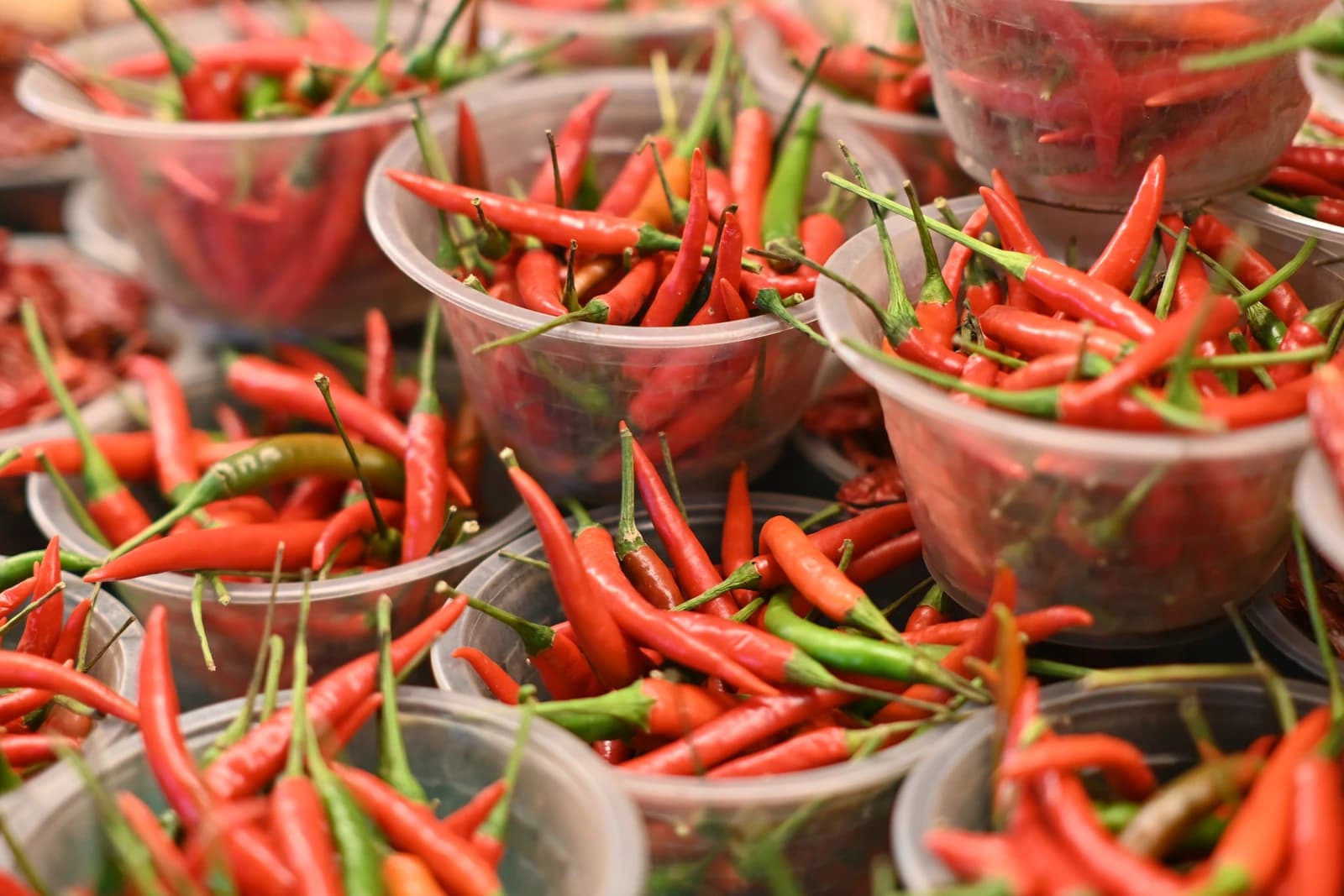
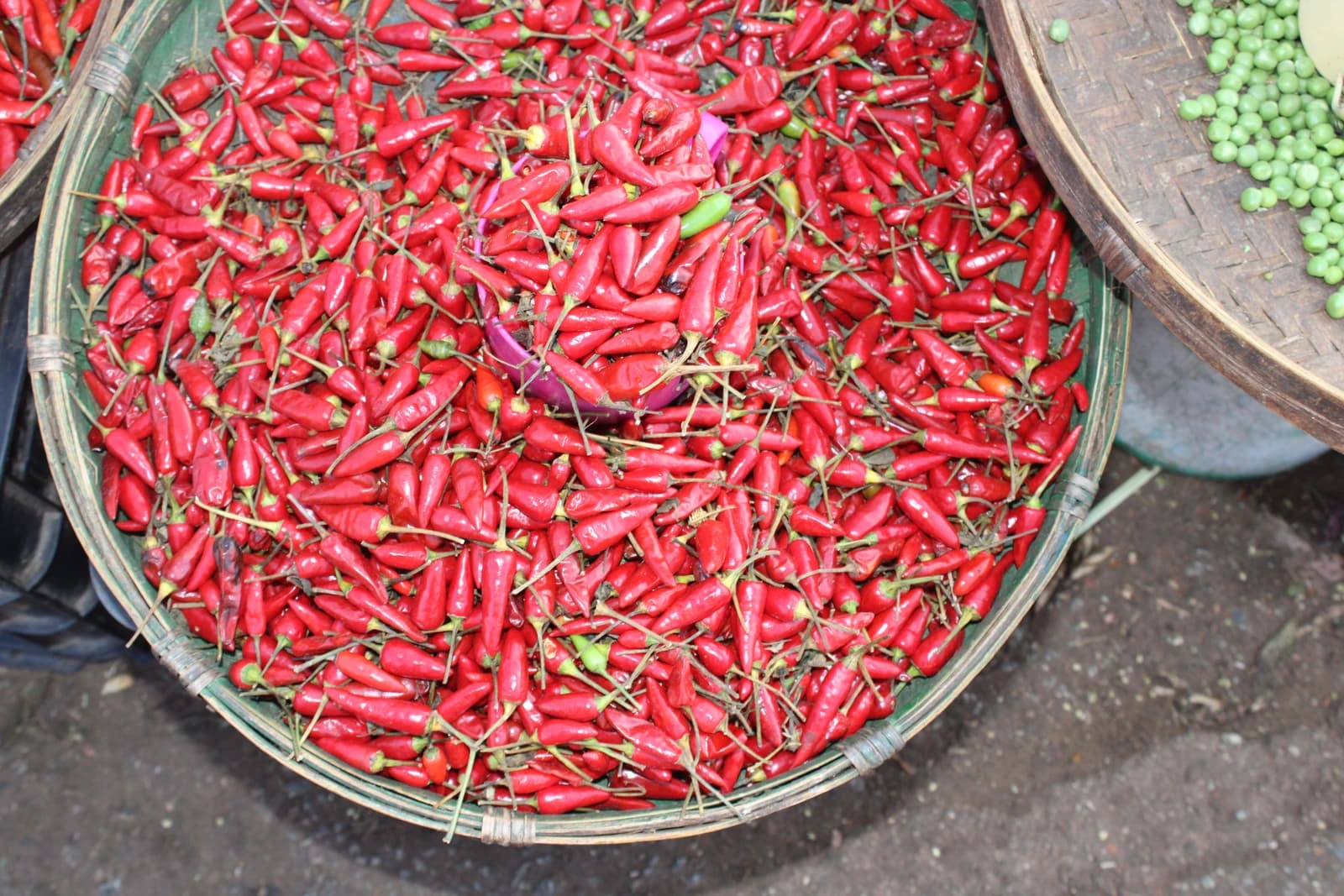
Red chilies were the biggest driver of Bengkulu’s October 2026 inflation, underscoring how weather and supply disruptions are still feeding through to household food costs and transport prices in one of Indonesia’s price-sensitive provinces.
Bengkulu inflation rises on red chili and airfare costs
Wages
BPS Bengkulu said red chili prices added 0.57 percentage points to monthly inflation, ahead of airfares at 0.08 percentage points and rice at 0.07 percentage points. The province’s consumer prices rose 0.51% in October, with food, beverages and tobacco up 1.14% and contributing 0.39 percentage points to the headline reading.
Sentiment Indicators
The surge in horticultural prices came as dry-season output fell and distribution from Kerinci to Bengkulu was disrupted by a landslide on the Sungai Penuh–Tapan road, a corridor linking West Sumatra and Bengkulu. Cabai rawit and mustard greens were also hit by lower production, reinforcing how vulnerable local markets remain to logistics bottlenecks and weather shocks.
Rice and paddy prices climbed for similar reasons, with BPS citing weaker output in dry conditions and tighter supplies from both inside and outside the province. That matters well beyond Bengkulu: food inflation is one of the fastest ways for higher prices to hit consumers, especially lower-income households that spend a larger share of their budgets on staples.
Transport added another layer of pressure. Airfares rose after the government adjusted fuel surcharge rules and fewer flights reduced seat availability and schedule options, lifting the transport group 0.75% on the month and contributing 0.10 percentage points to inflation.
Not all prices moved higher. Chicken meat posted the biggest deflationary contribution at 0.32 percentage points as production increased and supply improved, tempering some of the food-price pressure. Still, the mix of weather-related crop shortfalls, transport constraints and elevated food costs points to sticky local inflation heading into year-end, with investors watching whether similar supply shocks spread to broader Indonesian food prices and keep pressure on consumer spending.
| Entity | Gains | Losses |
|---|---|---|
| Chili growers with constrained supply | ▲Higher farmgate prices | ▼Lower-volume producers |
| Food retailers and consumers | ▲Stable chicken supplies | ▼Buyers of chilies and rice |
| Airlines with fuller capacity | ▲Higher fares per seat | ▼Travelers and frequent flyers |
| Inflation-watch policymakers | ▲Clearer price pressure data | ▼Credibility if food shocks persist |