Indonesia’s consumer prices rose 0.22% in October, led by a jump in volatile food costs as red chilies, bird’s eye chilies and tomatoes pushed up the monthly inflation reading and kept pressure on household budgets.
Indonesia inflation rises 0.22% in October
The consumer price index climbed to 112.56 from 112.31 a month earlier, according to the national statistics bureau, while annual inflation stood at 3.23% and year-to-date inflation at 2.40%. The data points to food supply shocks, rather than broad-based demand, as the main driver of price pressures.
Sentiment Indicators
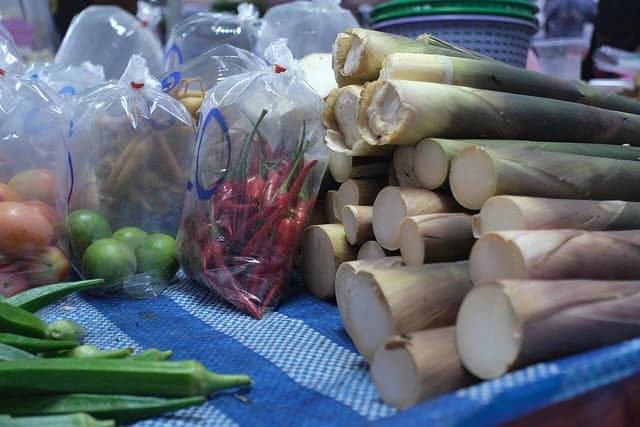
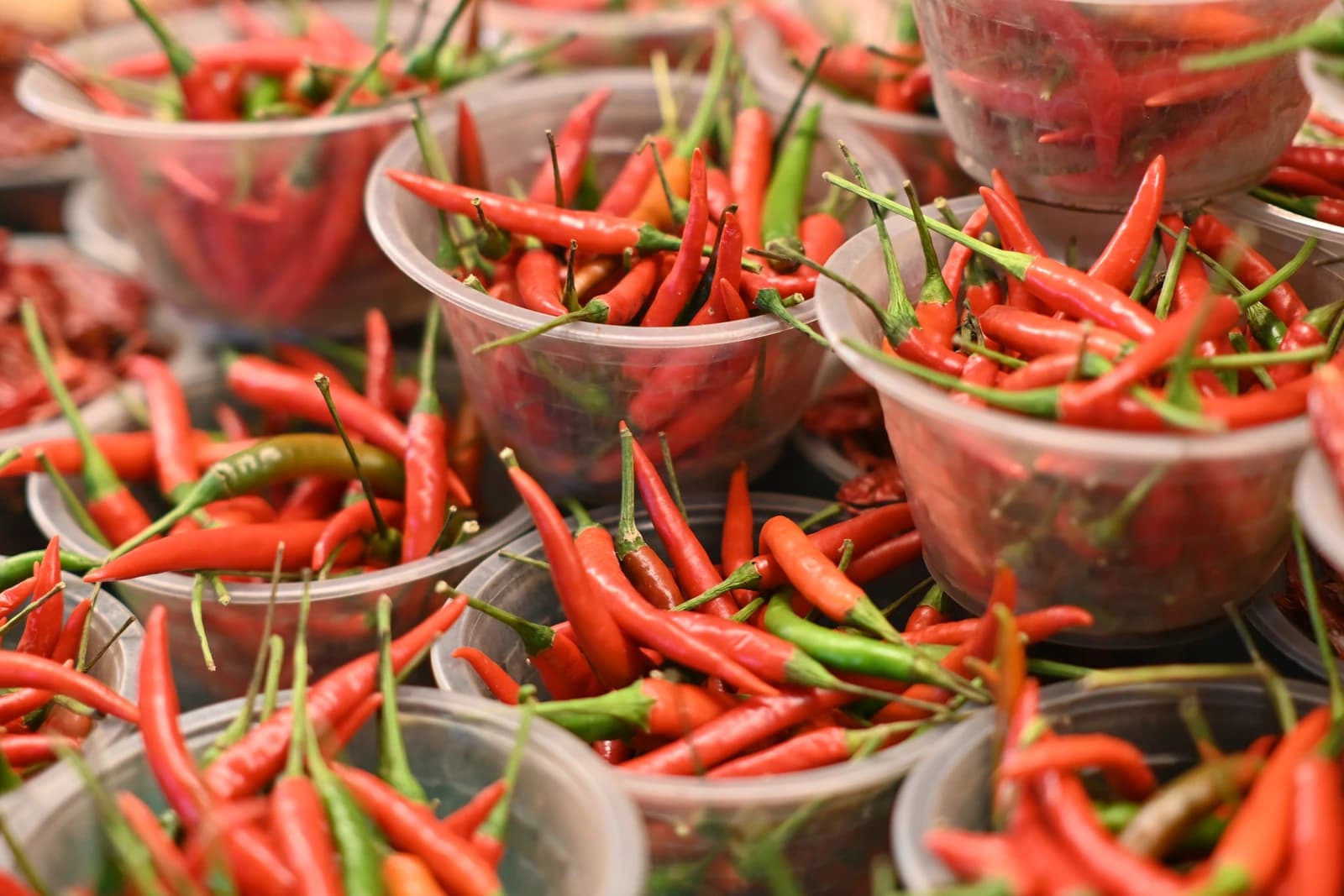
Food, beverages and tobacco were the biggest monthly contributors, rising 0.51% and adding 0.15 percentage point to headline inflation. Red chilies alone accounted for 0.13 percentage point, followed by bird’s eye chilies at 0.05 point and tomatoes at 0.04 point, underscoring how weather-sensitive crops continue to shape Indonesia’s inflation profile.
The volatile-food component rose 0.77% and contributed 0.13 percentage point to the monthly reading, while core inflation was 0.12% and administered prices increased 0.09%. Airfares also added to the monthly increase, but the broad inflation story remained centered on food.
Wages
On an annual basis, food, transport and personal care were the main sources of price gains. Food and beverage inflation ran at 4.82%, transport at 4.87% and personal care at 4.52%, with gasoline, airfares and jewelry among the notable contributors.
For investors, the print keeps the focus on Bank Indonesia’s inflation path and on domestic consumer stocks, retailers and transport-sensitive sectors that can be squeezed when staple food prices jump. It also reinforces the view that Indonesia’s inflation remains vulnerable to weather and supply disruptions even as core pressures stay comparatively contained.
The next catalyst is whether November food supplies normalize enough to cool volatile inflation, or whether more crop shortages keep price pressures elevated into year-end.
| Entity | Gains | Losses |
|---|---|---|
| Food producers and traders | ▲Higher selling prices | ▼Consumers facing tighter budgets |
| Bank Indonesia | ▲Less core inflation pressure | ▼More volatile-food noise |
| Consumer staples retailers | ▲Demand for essentials | ▼Margin pressure from price swings |
| Households | ▲— | ▼Higher food and transport costs |