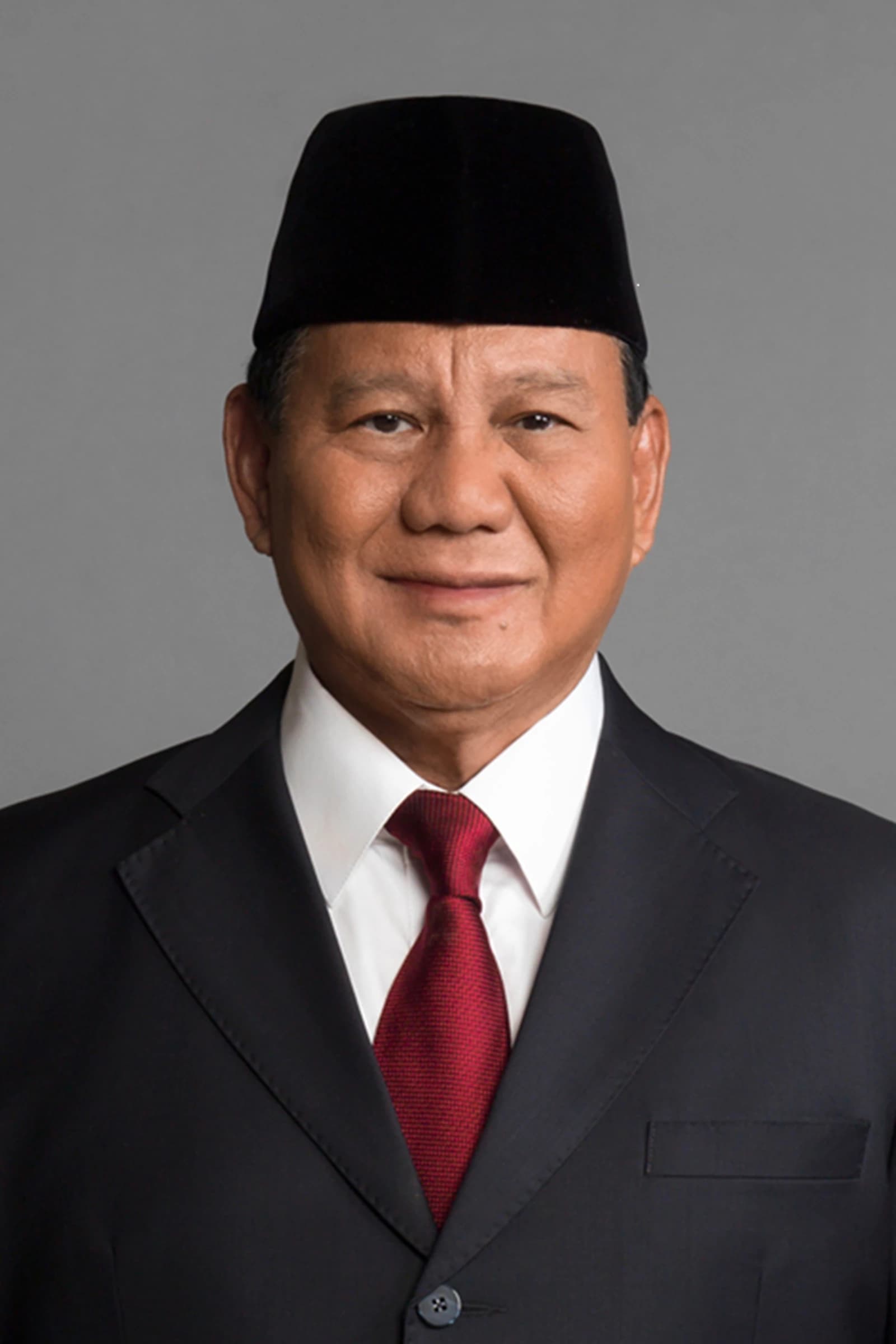
Indonesia’s government is telling markets it has enough rice to cover domestic demand until July 2027, a claim that underscores how central food security has become to President Prabowo Subianto’s economic agenda and how much political capital Jakarta is putting behind staple-price stability.
Indonesia says rice stock covers demand until 2027

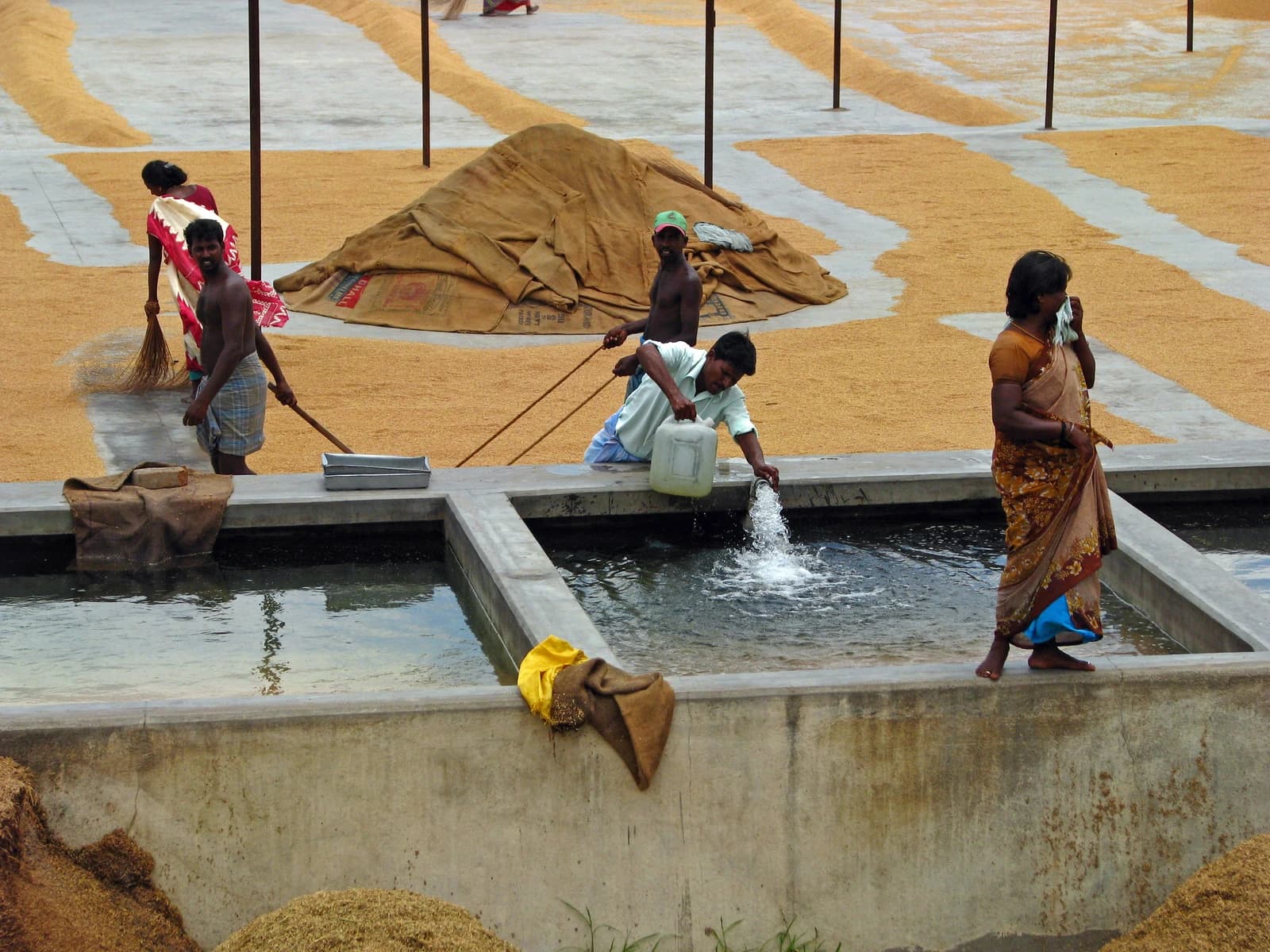
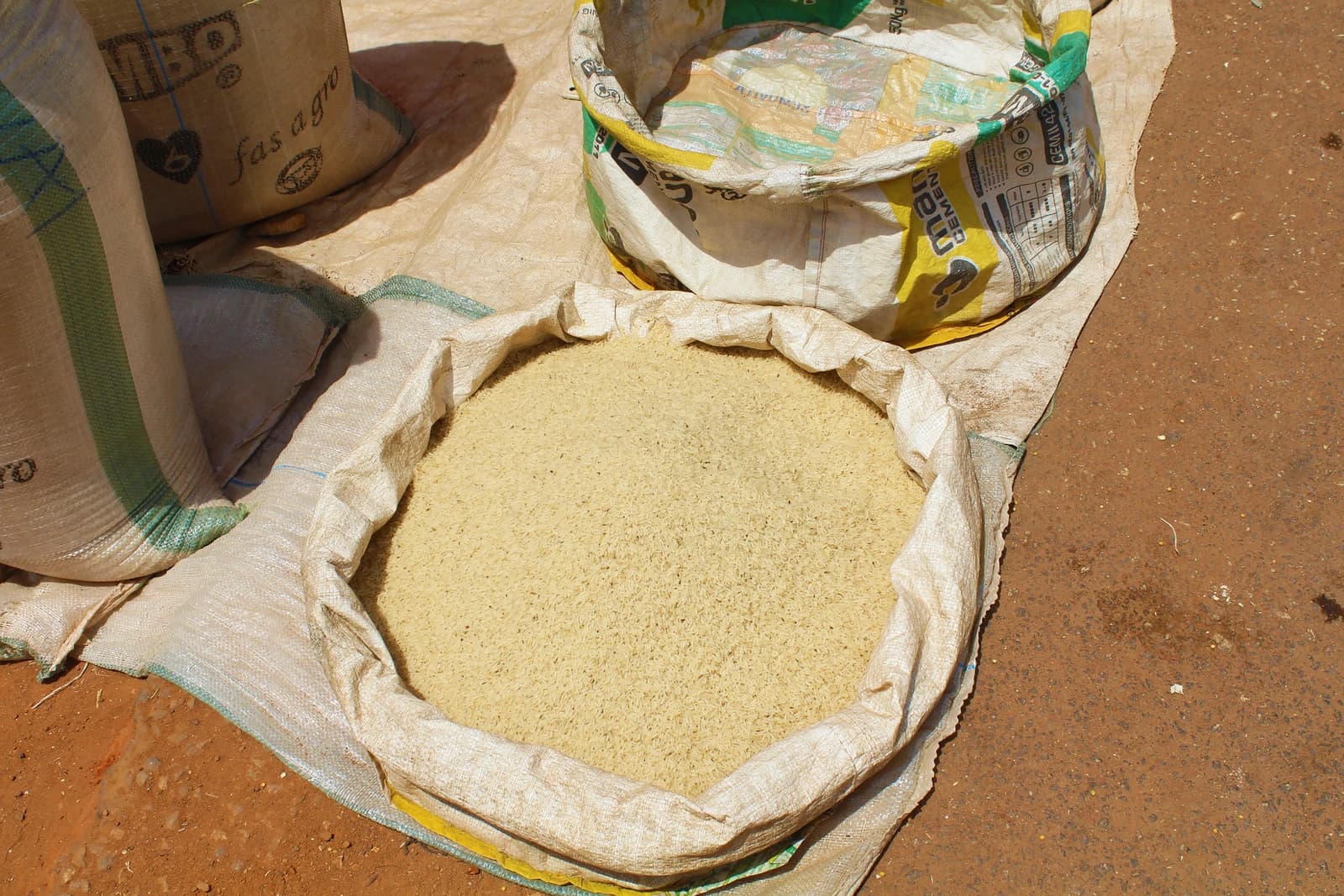
Agriculture Minister Andi Amran Sulaiman said national rice stock reached 4.56 million tons in October 2026, the highest on record, and that when standing crops and other inventories are included, total available supply rises to about 25 million tons. On the government’s own math, that equates to roughly 10 months of cover against monthly demand of 2.5 million tons.
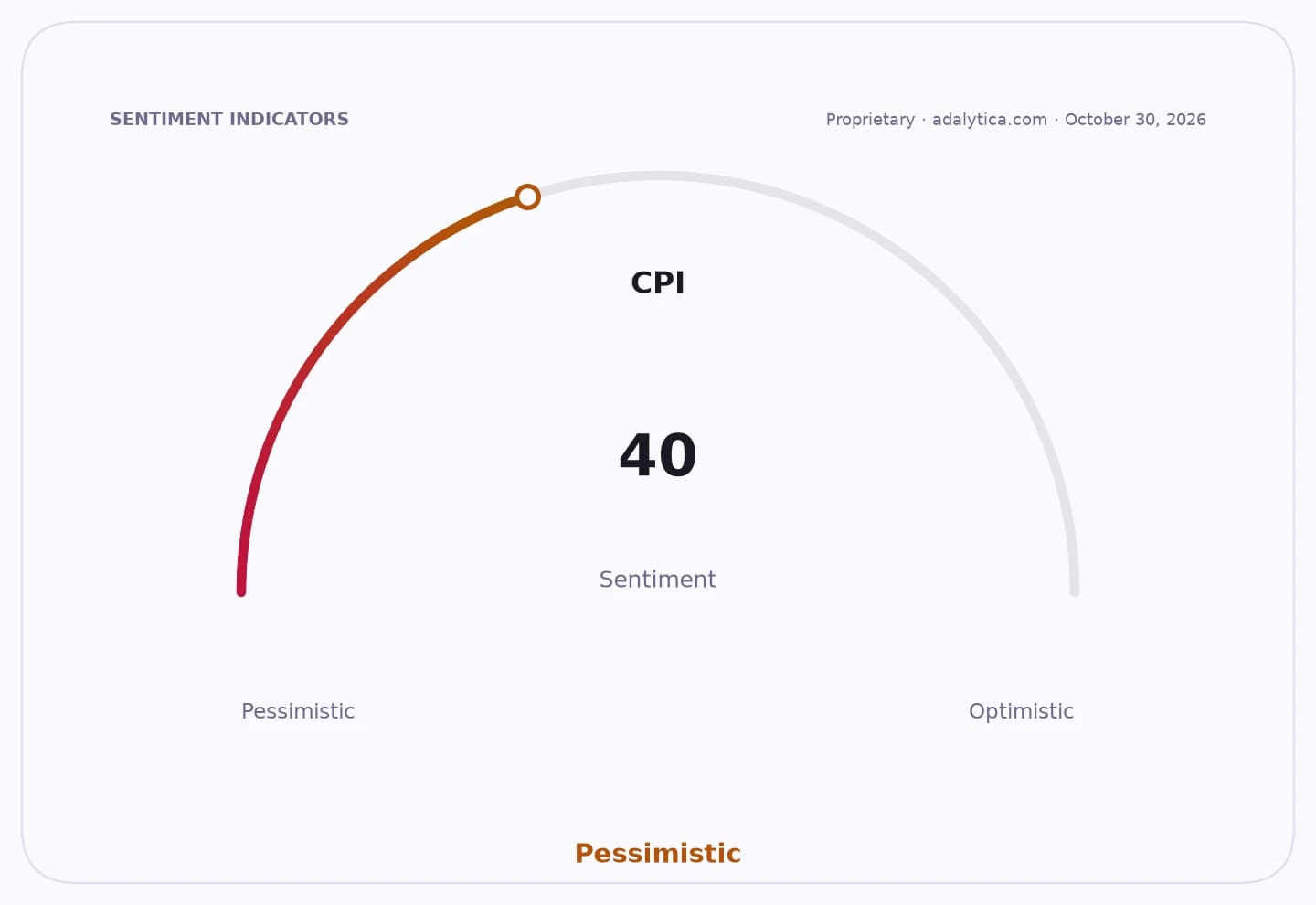
Sentiment Indicators
That matters because rice is not just another commodity in Indonesia — it is a political pressure point, an inflation driver and a household expense that hits the poorest consumers hardest. If the supply picture holds, it gives Prabowo room to keep food inflation contained and supports the broader case that the administration can deliver on self-sufficiency without leaning heavily on imports.
Amran also linked the supply improvement to policy changes that directly affect farm economics, saying fertilizer prices have been cut 20% and the government has raised the floor price for unhusked rice. He said those measures have lifted the farmer exchange rate, or NTP, to 131, the highest level he cited since before the 1998 crisis, reinforcing the message that the administration is trying to boost rural incomes while securing supplies.
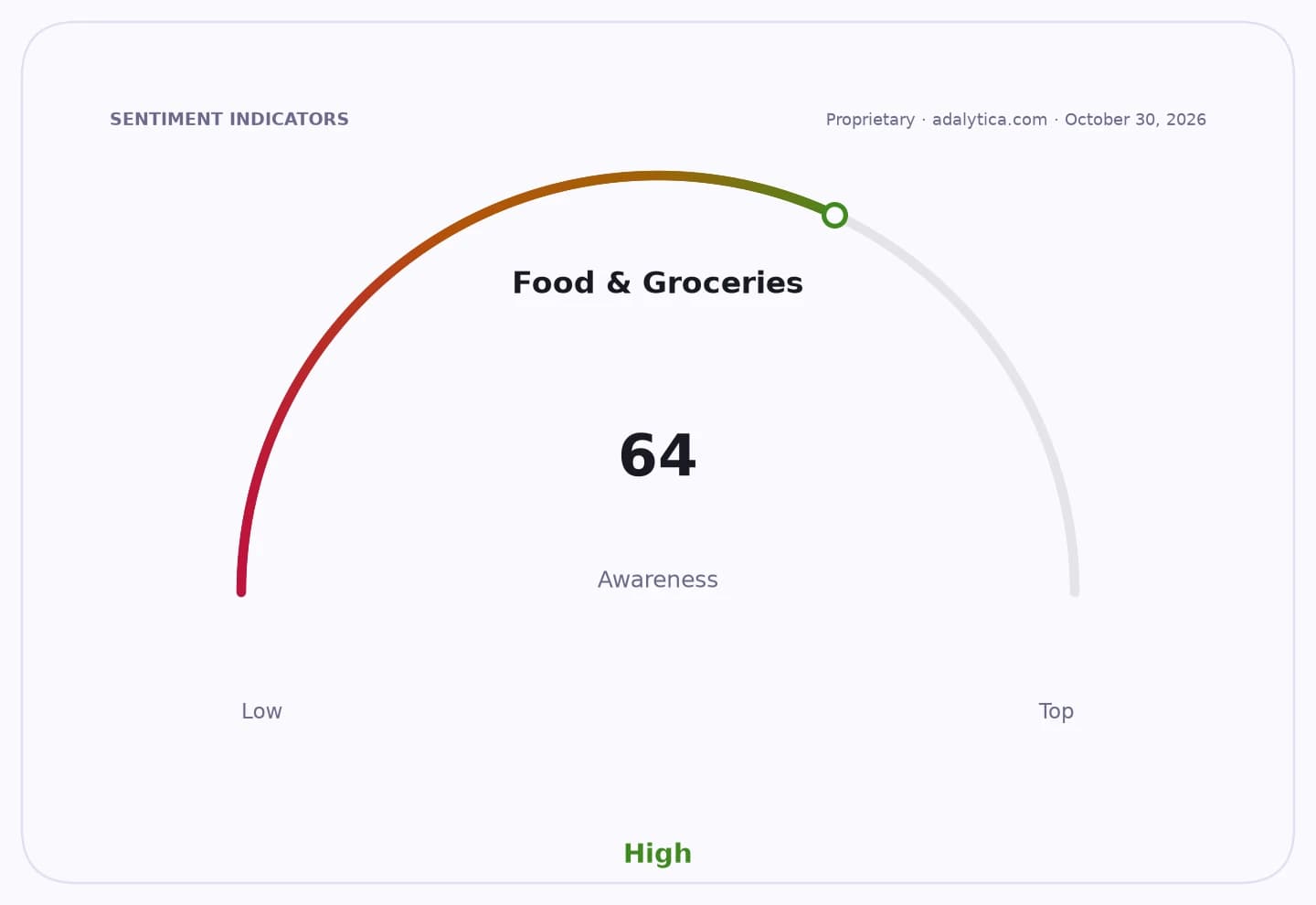
Food & Groceries
For investors, the implication is twofold. First, stable rice availability reduces the risk of a food-price shock that could ripple through consumer spending, inflation expectations and policy credibility. Second, the state’s willingness to keep intervening in agriculture means the winners are likely to be companies and suppliers tied to storage, logistics, milling, fertilizer and food distribution, while import-dependent traders and speculative holders of staple inventory may face tighter margins and more scrutiny.
The bigger narrative is that Indonesia is moving food security from a social-policy issue to a core growth strategy. That creates a durable tailwind for agribusinesses positioned inside the state’s supply chain, but it also raises the bar for execution: any lapse in quality control, hoarding or distribution discipline could quickly reverse the political and economic benefits of this apparent stock surplus. For now, though, Prabowo has a fresh talking point, and the market has a clearer signal that rice inflation is not the immediate threat it once was.
| Entity | Gains | Losses |
|---|---|---|
| Indonesian government | ▲Food-price stability | ▼Import dependence |
| Farmers | ▲Higher floor prices | ▼Margin pressure from tighter controls |
| Agribusiness supply chain | ▲Stronger policy support | ▼Less room for arbitrage |
| Importers/speculators | ▲— | ▼Weaker scarcity premium |