Indonesia’s President Prabowo Subianto is sharpening his campaign against smuggling of gold, coal, timber, subsidized fuel and fertilizer, framing illicit trade as a direct drain on state revenue and a threat to domestic industry and food security.
Indonesia Tightens Crackdown on Gold and Fuel Smuggling
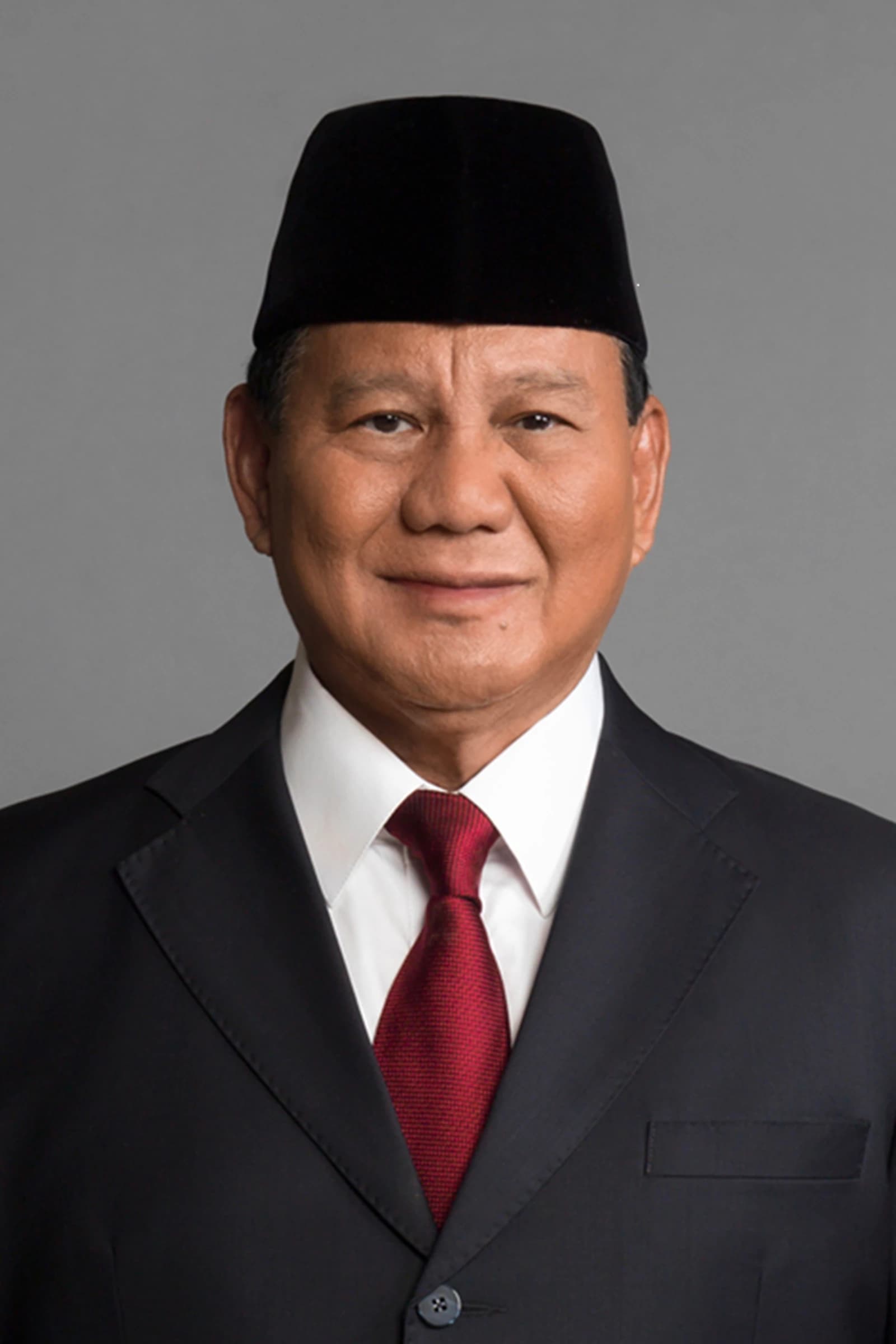
Speaking at a cabinet meeting marking two years of the Prabowo-Gibran administration, he said the illegal movement of state wealth out of the country — and the diversion of subsidized goods at home — is “killing” the economy and cannot be allowed to remain part of the system. The remarks point to a tougher enforcement posture that could hit informal commodity flows, tighten supply chains and raise the compliance burden for miners, fuel distributors and agricultural input traders.
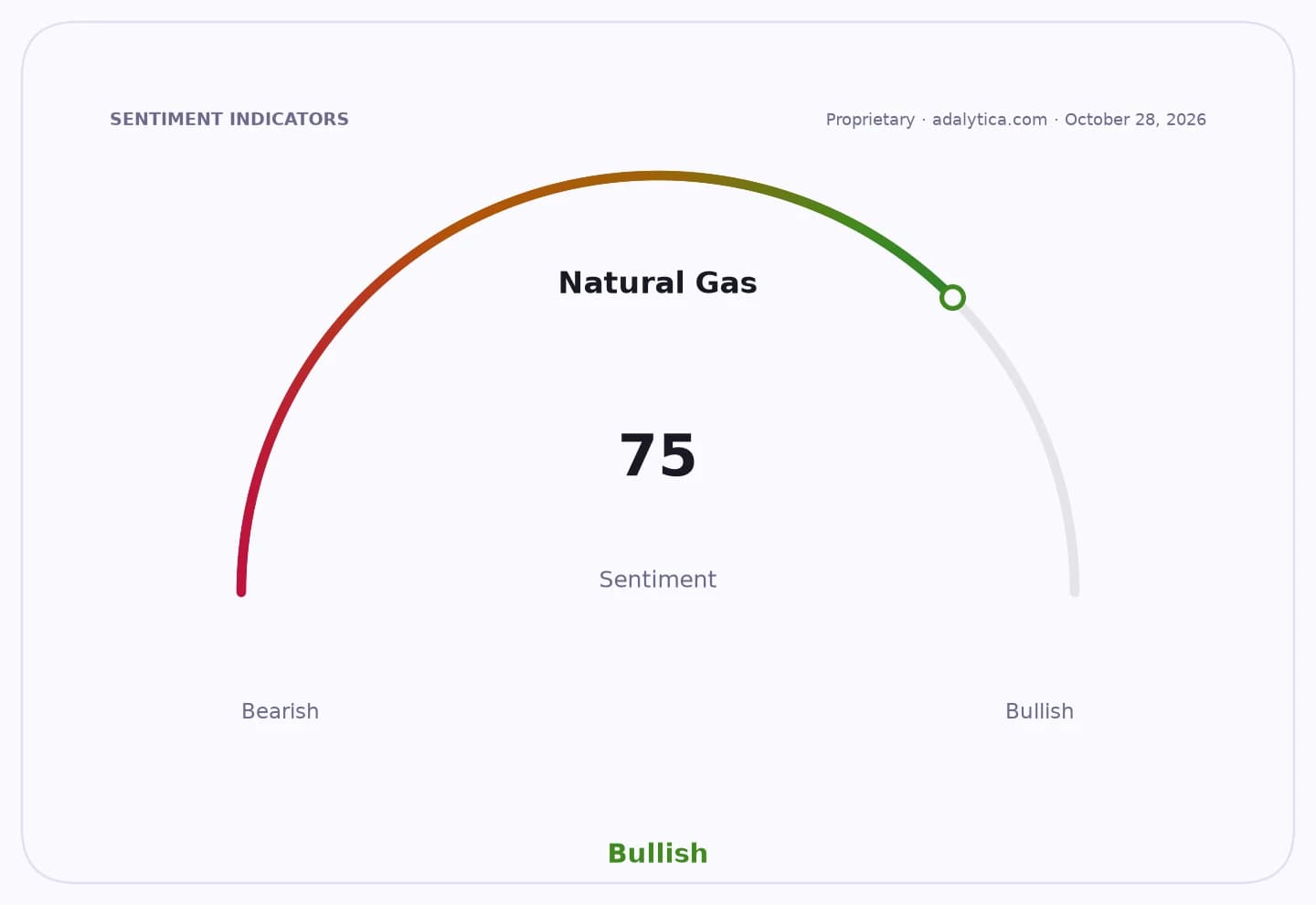
Sentiment Indicators
Oil WTI
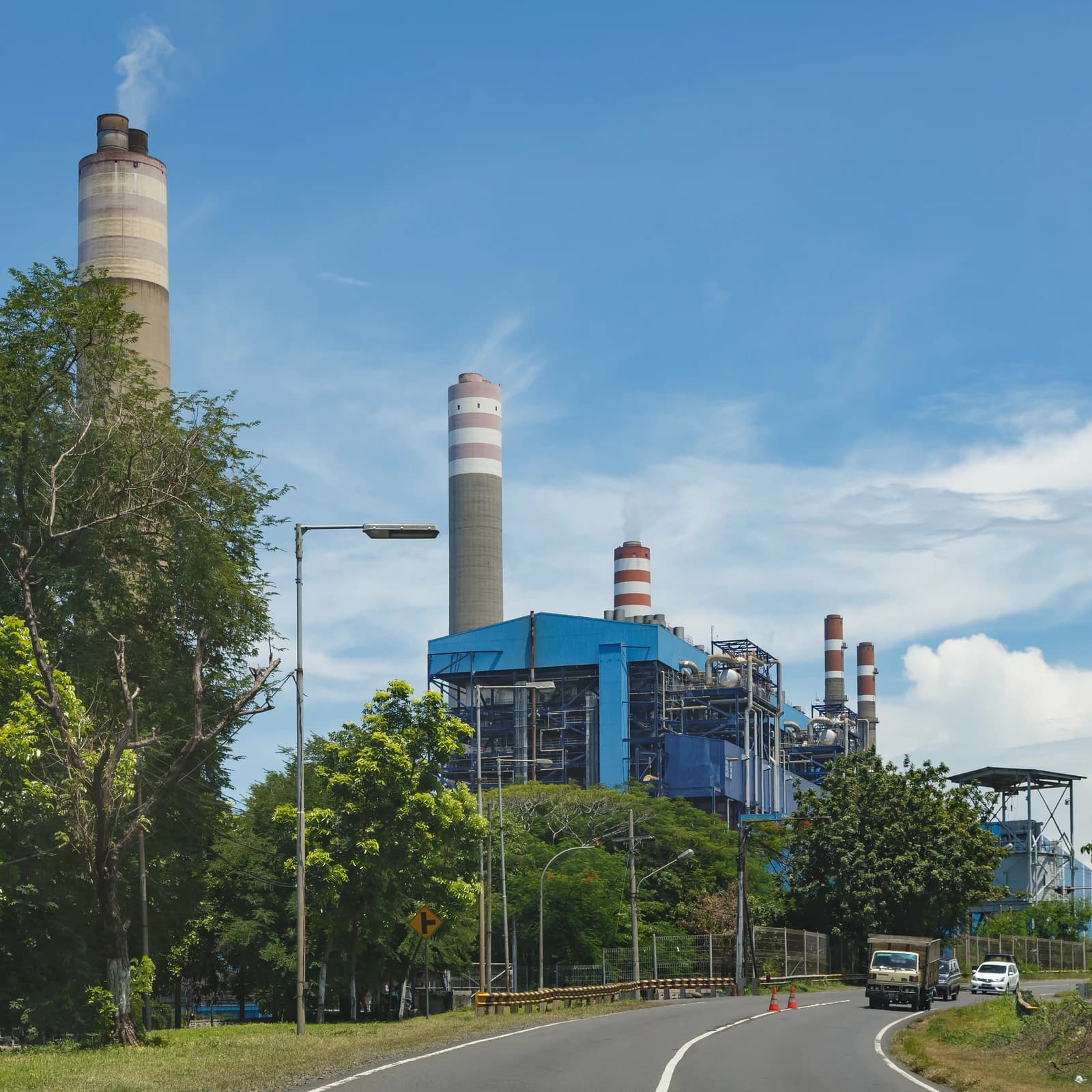
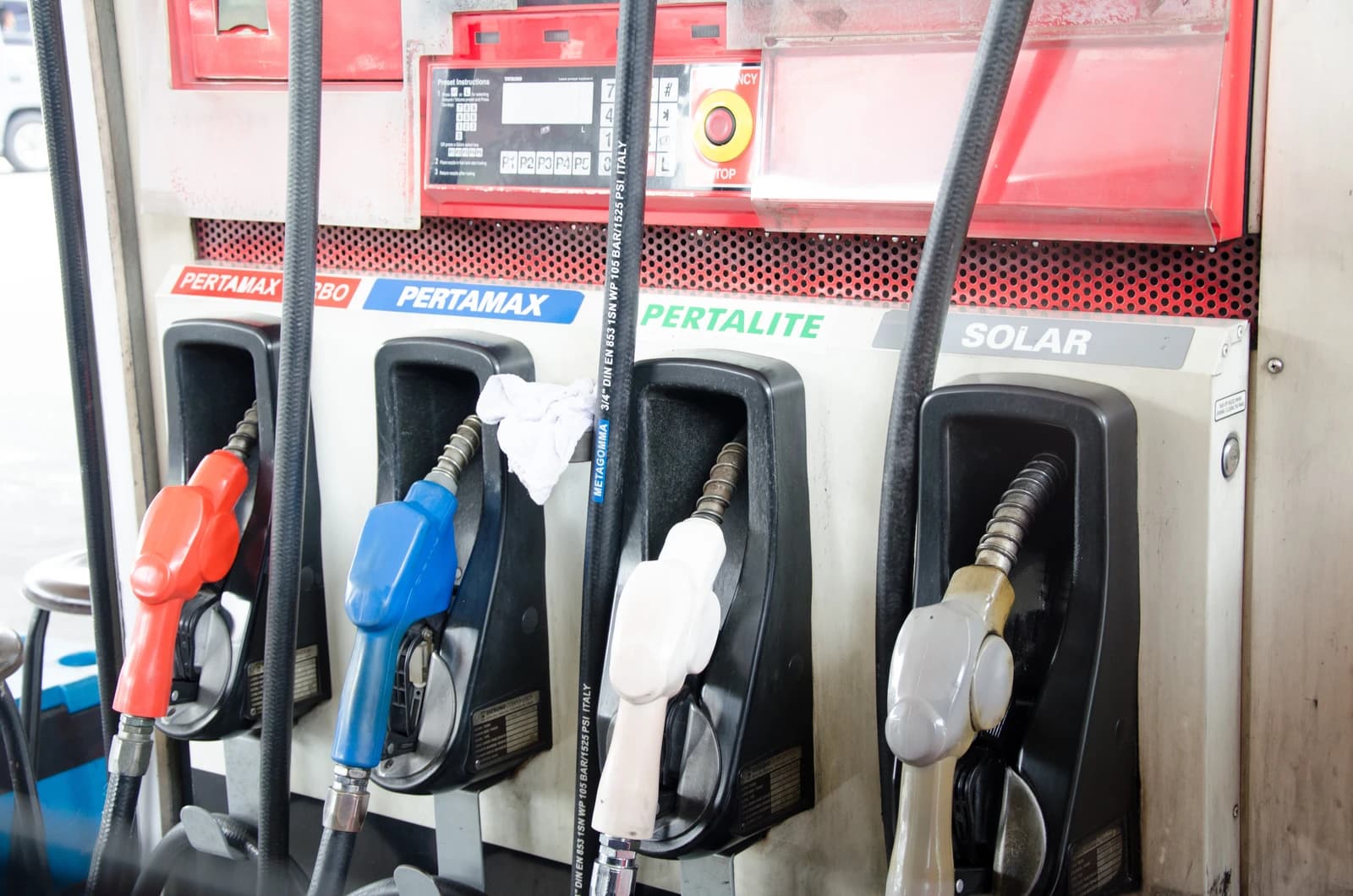
The message matters economically because the targeted products sit at the center of Indonesia’s trade balance, fiscal spending and industrial base. Coal and gold are among the country’s most valuable export earners, while subsidized fuel and fertilizer are expensive budget items meant to keep transport and farm costs contained. Any leakage reduces tax collection, distorts domestic prices and widens the gap between official policy and market reality.
For investors, the implication is that Jakarta may lean harder on inspections, seizures and licensing enforcement across resource-rich sectors. That could favor large, compliant producers and formal distributors, while pressuring smaller traders, logistics networks and informal operators that rely on weak oversight. It also raises the chance of short-term friction in supply chains if authorities move quickly to close loopholes.
Oil WTI
The crackdown theme comes as commodity markets remain sensitive to policy risk. Gold and coal producers, along with fuel and fertilizer distributors, could face more scrutiny over export documentation, domestic allocation and subsidy abuse. The government’s stance also signals that social spending and commodity subsidies will be judged not only by their fiscal cost, but by how much actually reaches households and farmers.
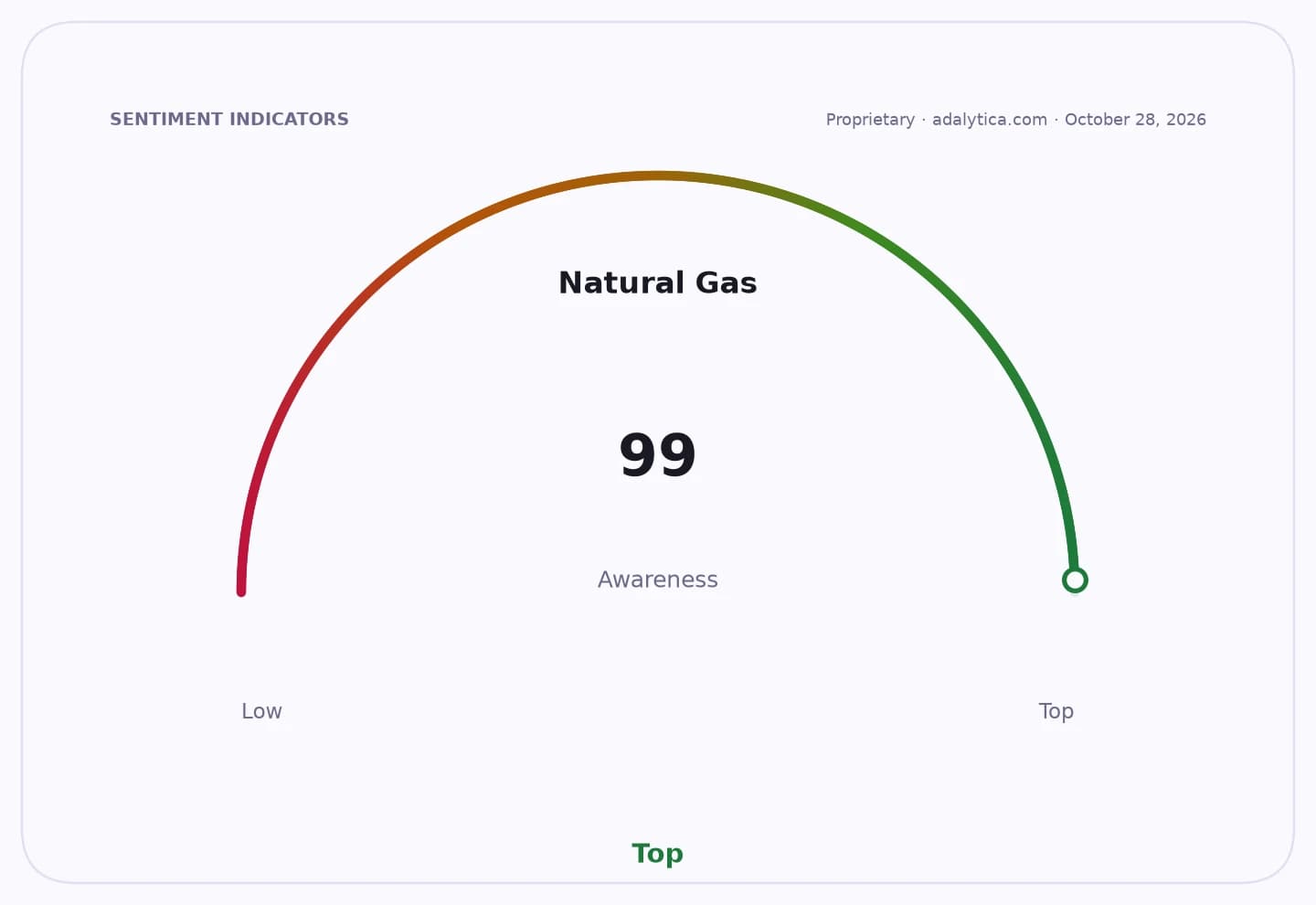
Adalytica’s Coal Fear & Greed Index was at 79, a “Greed” reading, suggesting markets remain receptive to coal exposure even as enforcement risk rises. WTI oil trade signals, meanwhile, showed extreme fear, underscoring how policy moves that affect subsidized fuel flows could matter in a volatile energy backdrop.
The next catalyst is whether Prabowo turns the rhetoric into tighter raids, customs checks and new rules for miners and distributors. Investors will be watching for enforcement actions that could alter margins, volumes and subsidy economics across Indonesia’s resource and energy sectors.
| Entity | Gains | Losses |
|---|---|---|
| Indonesian state | ▲higher revenue capture | ▼smuggling networks |
| Formal miners/distributors | ▲fairer competition | ▼informal traders |
| Farmers and consumers | ▲better subsidy targeting | ▼subsidy leakages |
| Coal, gold and fuel sectors | ▲cleaner market structure | ▼compliance costs |