Indonesia imported 442.7 kilograms of gold worth about $55.3 million, or roughly 1 trillion rupiah, in September, a reminder that demand for the metal is still strong even as local prices eased for a second straight month.
Indonesia Gold Imports Rise as Jewelry Prices Ease
That matters because gold is doing two jobs at once in the Indonesian economy: it is a consumer product and a store of value. When imports jump, it usually means households, jewelers and traders are still active despite high prices, while policymakers get another signal that gold is feeding into inflation and trade flows.
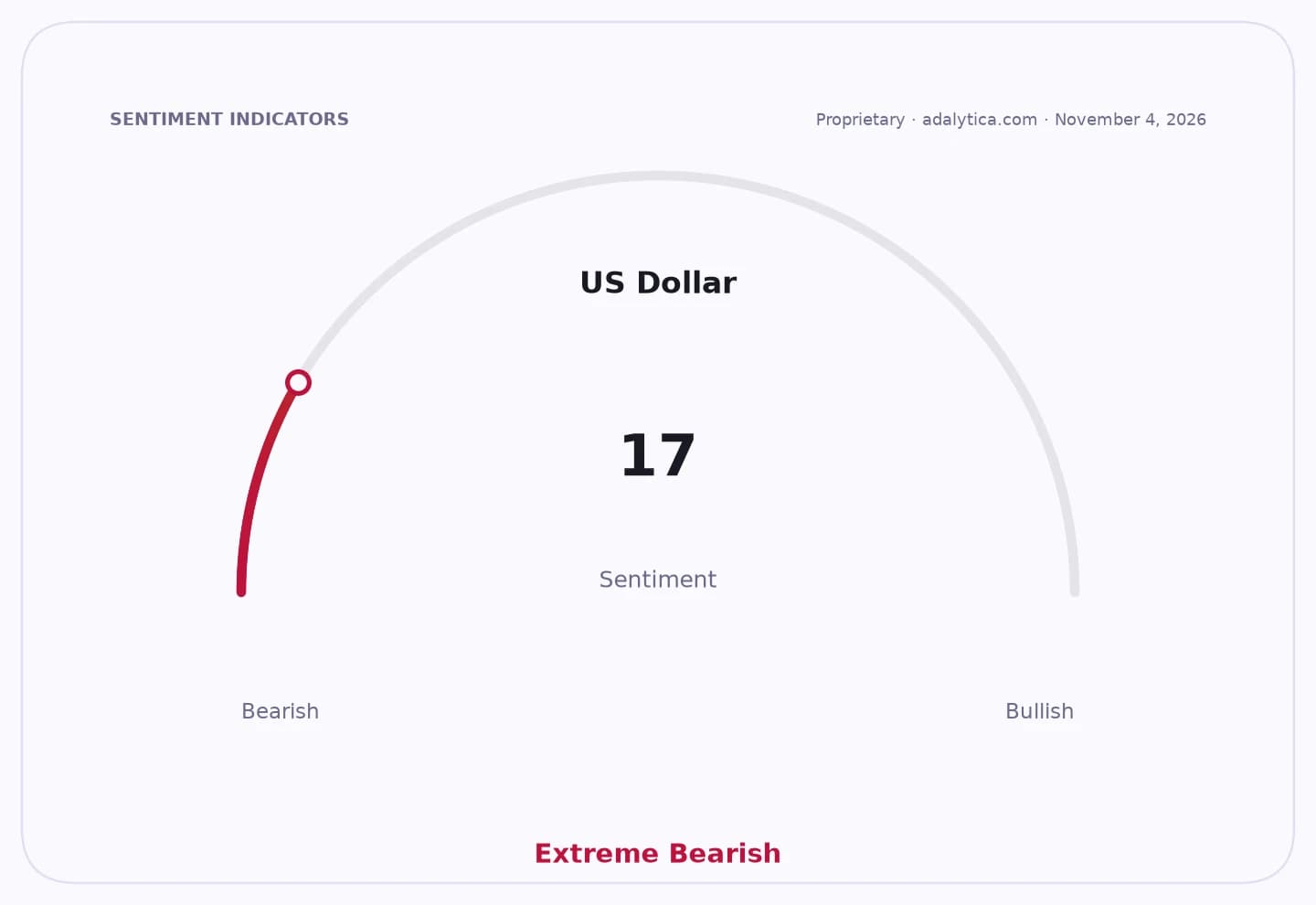
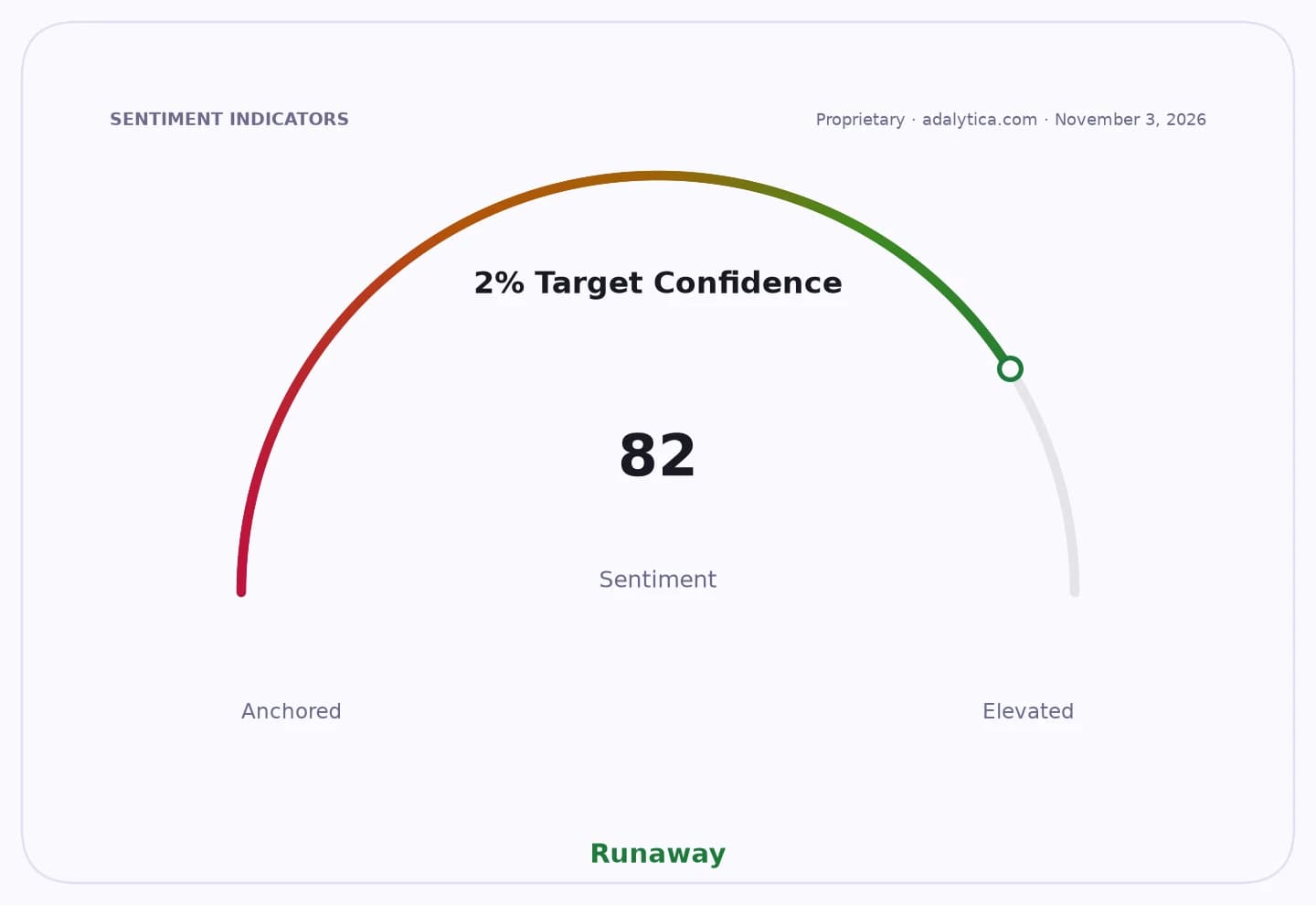
Sentiment Indicators
Hong Kong was the biggest supplier, shipping 160 kilograms valued at $22.44 million. The United Arab Emirates followed with 101 kilograms, and Japan with 67.87 kilograms. In other words, Indonesia is leaning on a familiar set of trading hubs rather than a single source, which helps keep supply flexible but also underscores how global the gold market has become.
The pricing picture is more nuanced. Year on year, gold inflation was still elevated because prices were much lower a year earlier. But on a month-to-month basis, BPS said gold prices fell for the second straight month in September, with jewelry prices declining 0.70% and helping drag the personal care and other services basket into a 0.06% deflation.
For investors, that mix is important. Gold imports suggest continued underlying appetite for the metal even as short-term prices cool, which can support jewelers, bullion distributors and related retail channels. At the same time, softer domestic prices can relieve pressure on consumers and inflation, a positive for spending power in a country where imported commodities can move the cost of living.
The broader takeaway is that gold remains a powerful cross-current in emerging-market economies like Indonesia: part investment asset, part adornment, part inflation hedge. If global prices stay firm, import demand may remain resilient even when local monthly prices dip. For long-term investors, that makes the gold trade worth watching, especially through the lens of inflation, currency moves and consumer demand rather than just daily price swings.
| Entity | Gains | Losses |
|---|---|---|
| Indonesian importers and jewelers | ▲Restocked supply | ▼Higher inventory costs |
| Consumers | ▲Slight relief from falling jewelry prices | ▼Still-facing elevated annual inflation |
| Gold exporters and trading hubs | ▲Strong sales to Indonesia | ▼None material |
| Inflation watchers / policymakers | ▲Softer monthly price pressure | ▼Need to monitor demand-driven imports |