Bank Indonesia says October inflation stayed comfortably within its target band, a sign that Southeast Asia’s largest economy is still managing price pressures even as food costs and currency volatility test the outlook.
Indonesia October inflation stays within BI target band
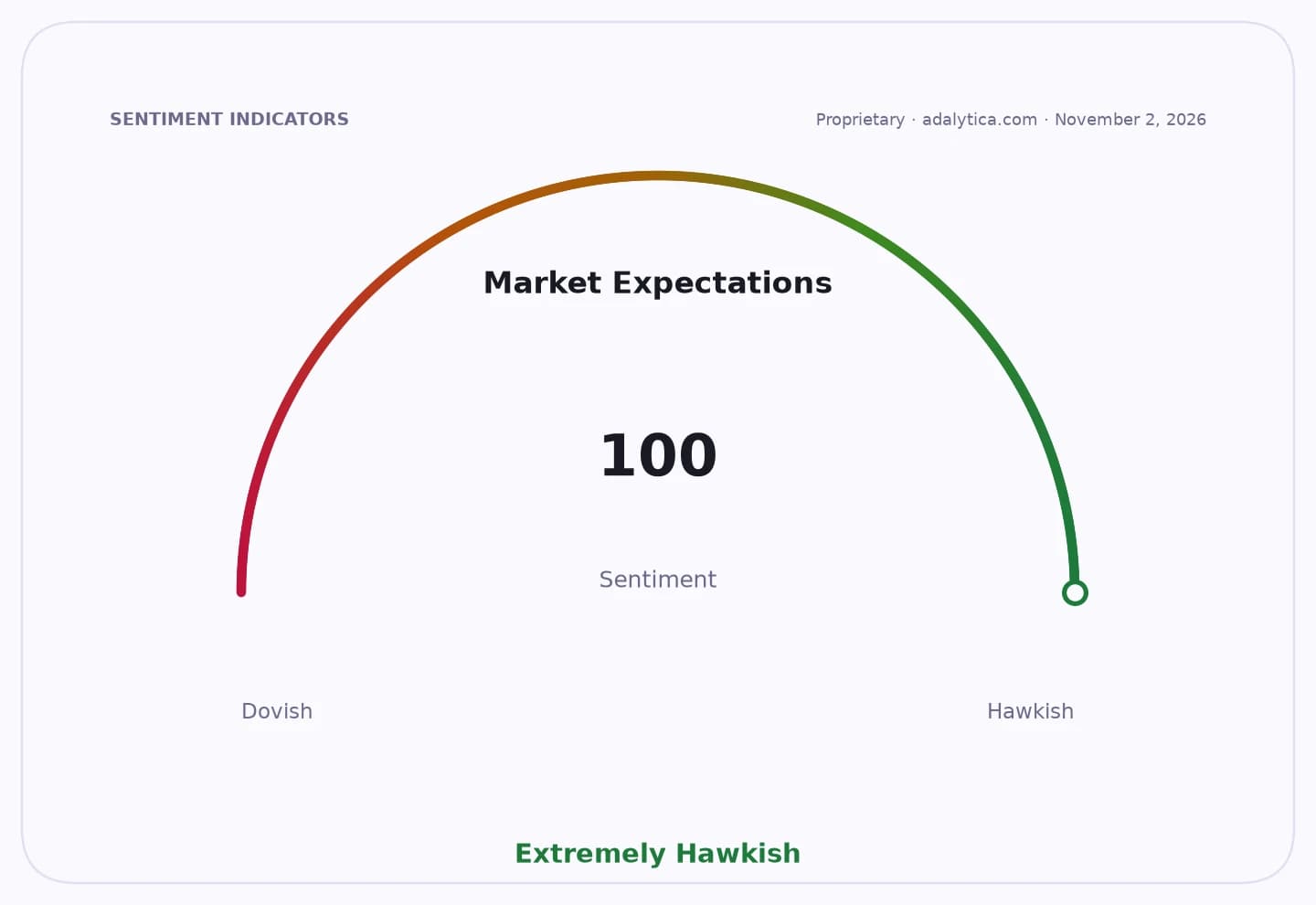
2% Target Confidence
That matters because stable inflation is what lets BI keep interest rates steady, protect the rupiah and avoid choking off growth. For investors, it lowers the odds of a disruptive policy pivot and supports the case for Indonesian assets if price stability holds.
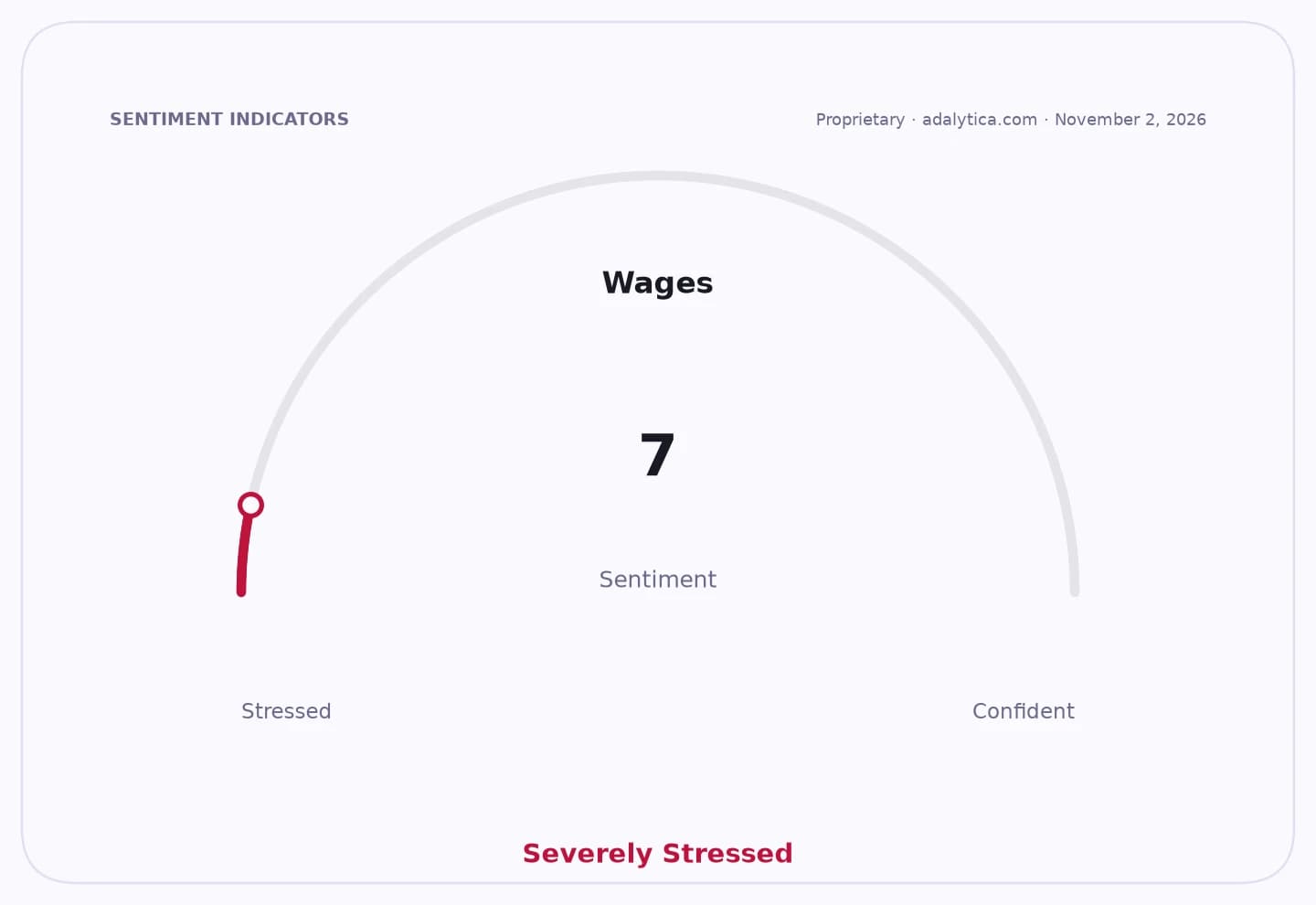
Sentiment Indicators
Official data showed consumer prices rose 0.22% from September and 3.23% from a year earlier in October, easing from 3.28% in September. Core inflation, which strips out volatile items, was 2.56% year on year, down from 2.84%, suggesting underlying demand pressures are not spiraling out of control.
The biggest near-term risk is still food. The volatile food component climbed 5.81% from a year earlier, driven mainly by red chili and bird’s eye chili prices after weaker output in several producing regions. That is the kind of inflation that can hit households quickly, but it is also the type policymakers can help offset through supply management rather than aggressive rate hikes.
BI said the inflation backdrop has been helped by tighter coordination with the government and regional authorities through the TPIP and TPID inflation task forces, along with the National Food Security Program. In plain terms, Indonesia is relying on a mix of monetary discipline and supply-side intervention to keep price spikes from spreading.
That approach is especially important with the rupiah recently under pressure near Rp18,200 per dollar amid global risk aversion and capital outflows. BI has already kept its benchmark rate at 5.75% to support the currency and economic stability, and these inflation figures give it room to stay patient rather than tighten more forcefully.
For long-term investors, the message is encouraging but not complacent. Indonesia still looks like an economy where policy makers are trying to preserve purchasing power without sacrificing growth, and that combination can be constructive for banks, consumer companies and local bonds if it persists. But food inflation and external shocks remain the variables to watch, especially if weather disruptions or oil price swings push costs higher again.
The broader takeaway is that Indonesia’s inflation story is still one of resilience, not crisis. If BI can keep prices anchored while the rupiah steadies and trade surpluses continue to cushion the economy, the country remains worth watching for investors seeking emerging-market exposure with less macro drama than many peers.
| Entity | Gains | Losses |
|---|---|---|
| Bank Indonesia | ▲Policy credibility | ▼Pressure to hike rates |
| Indonesian households | ▲More stable purchasing power | ▼Higher chili and food prices |
| Local bonds and banks | ▲Lower policy uncertainty | ▼Currency-driven volatility |
| Food producers/suppliers | ▲Scope for supply-chain support | ▼Cost pressures from weather shocks |