SJC gold prices in Vietnam climbed above 141 million dong a tael, underscoring how local demand and a tight domestic market are pushing bullion higher even as global prices ease from recent peaks.
Vietnam SJC Gold Tops 141.2 Million Dong a Tael

At 9 a.m. on Nov. 3, Saigon Jewelry Co. quoted SJC bars at 138.2 million dong to 141.2 million dong a tael, up 1.2 million dong on both sides from the prior session. Other major traders, including Phu Quy, DOJI and Bao Tin Minh Chau, also lifted their selling price to 141.2 million dong, extending a two-day gain of 2.2 million dong per tael. Gold rings moved in step, with several brands priced near 139 million dong a tael.
Sentiment Indicators
The move matters because it highlights a growing disconnect between Vietnam’s retail gold market and international bullion. Spot gold abroad was around $3,947 an ounce, equivalent to roughly 123.6 million dong a tael, leaving domestic SJC bars trading at a premium of nearly 18 million dong per tael. That gap points to constrained supply, strong household demand and the market’s tendency to reprice rapidly when investors seek a hedge against inflation, currency swings or broader uncertainty.
For investors, the story is less about the metal itself than about the channels through which money is flowing. High domestic gold prices can draw savings away from bank deposits and into bullion, tightening liquidity in other parts of the financial system. They also reinforce the appeal of gold-related businesses and bullion distributors, while raising the risk that buyers entering at elevated levels face sharp mark-to-market losses if local premiums unwind.
The currency backdrop adds another layer. Vietnam’s central bank set the mid-rate at 25,630 dong per dollar, while commercial banks were quoting the greenback below 26,000 dong in both directions, the first such reading since mid-April. A softer dollar onshore can support gold demand by preserving local purchasing power, but it can also intensify scrutiny of how much of the rise reflects genuine safe-haven buying versus a premium driven by market structure.
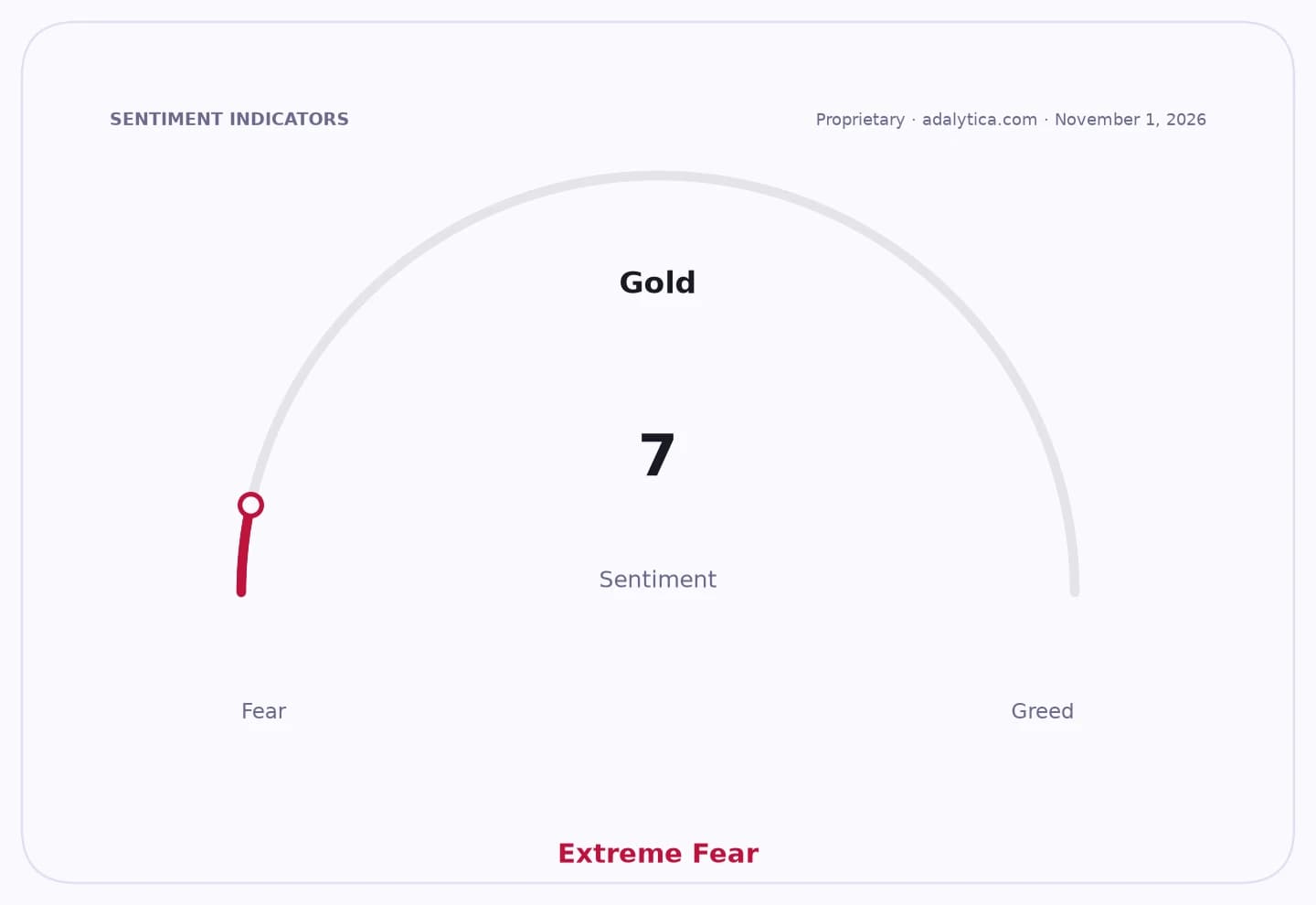
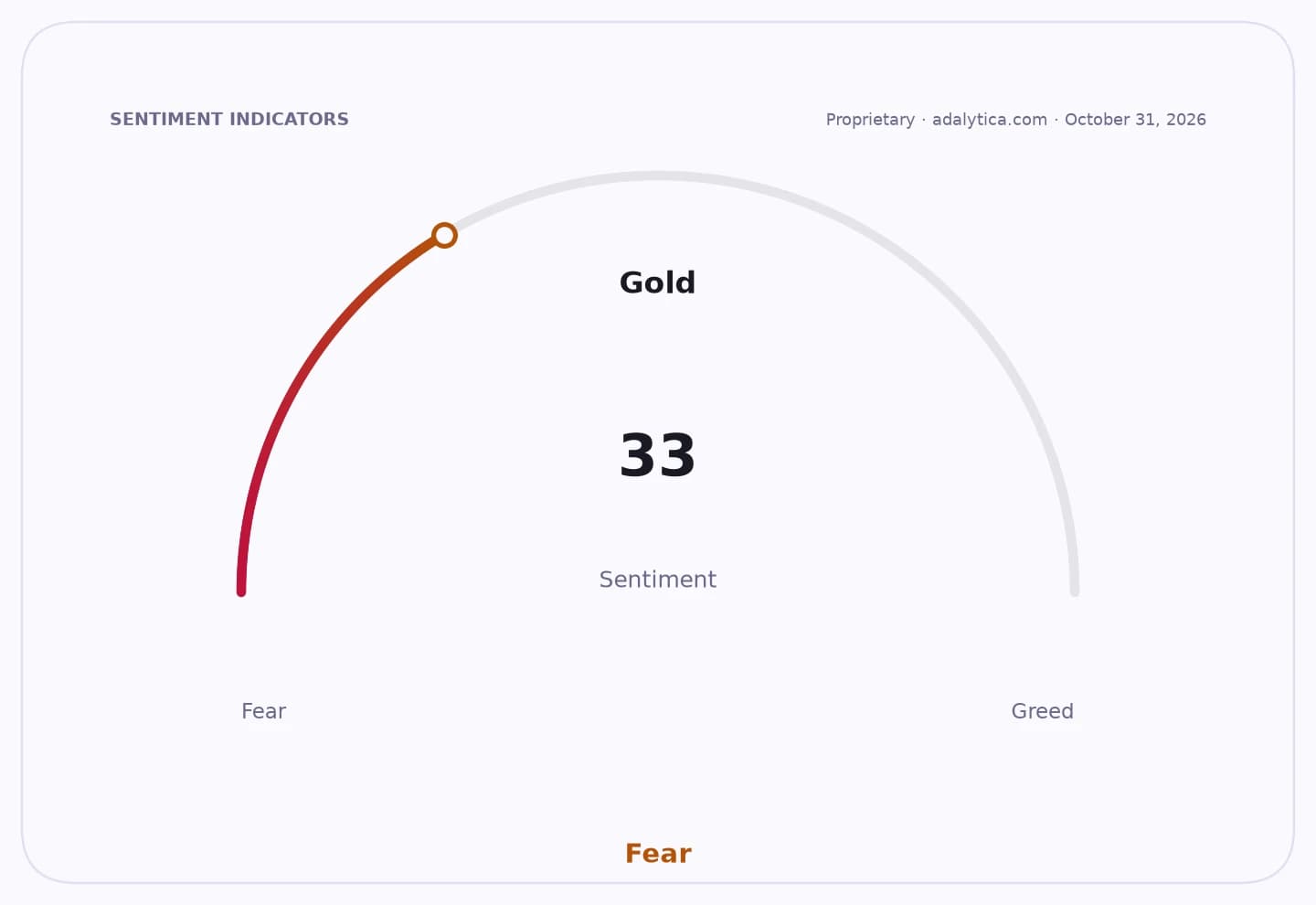
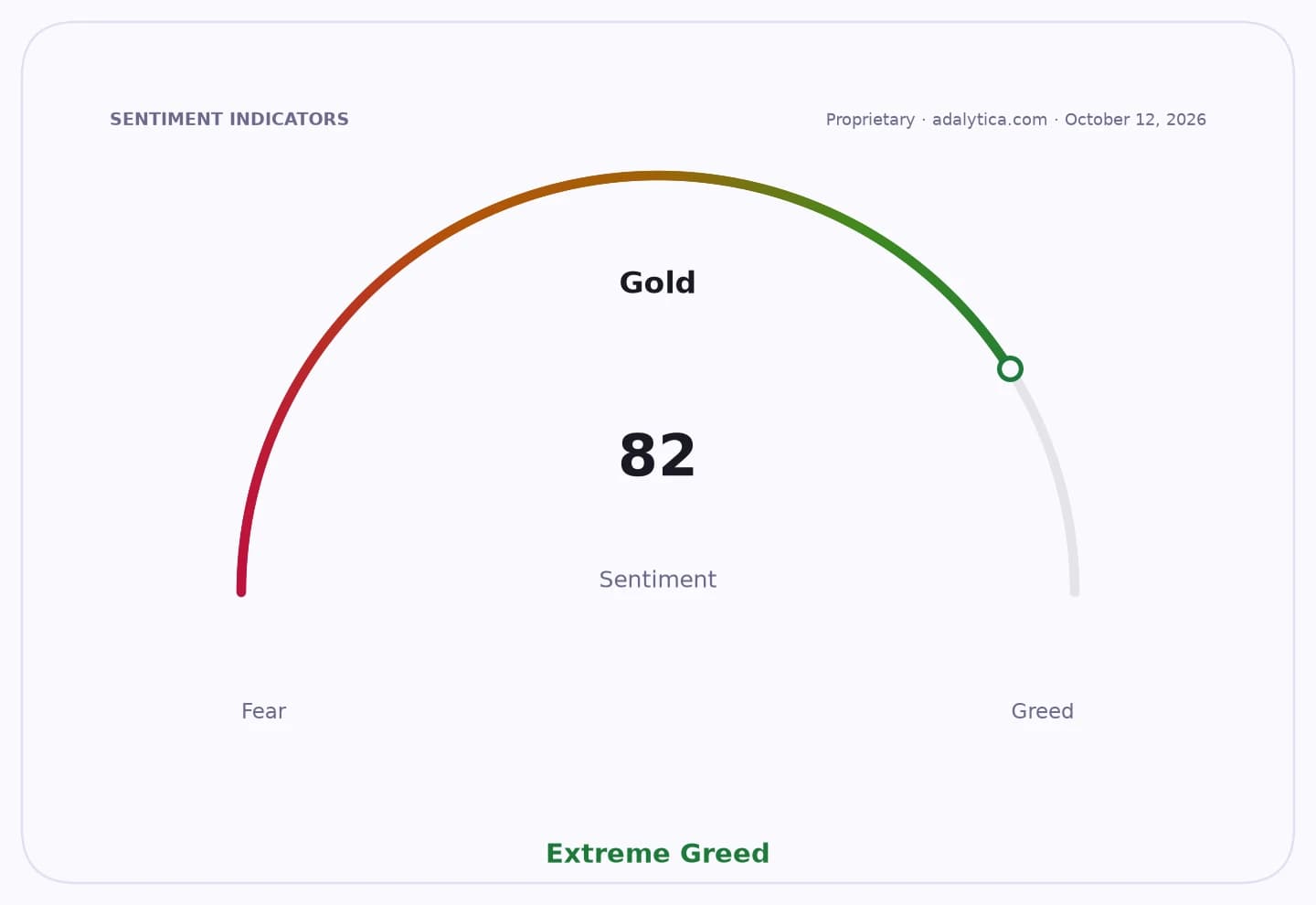
Global cues remain supportive. The Adalytica Gold Fear & Greed Index shows sentiment in “Fear” even as awareness remains at “Extreme Greed,” a combination that is consistent with crowded positioning and elevated investor attention. Conventional technical indicators on GLD and U.S. gold futures also show the metal recovering from a recent selloff, though both remain below their 200-day moving averages, suggesting the broader trend is still fragile despite the local price spike.
For Vietnamese buyers, the immediate question is whether SJC’s premium can keep widening or whether arbitrage, policy action or a pause in global demand cools the move. For investors globally, the episode is another reminder that gold’s rally is no longer a single-market story: local supply constraints, currency conditions and retail behavior can produce price levels that look detached from international benchmarks, even when the underlying macro backdrop is still supportive.
| Entity | Gains | Losses |
|---|---|---|
| SJC and local bullion sellers | ▲Higher margins, stronger turnover | ▼Risk of demand destruction |
| Vietnamese gold buyers | ▲Inflation hedge, safe-haven access | ▼Pay steep domestic premium |
| Global gold bulls | ▲Supportive macro backdrop, safe-haven demand | ▼Near-term overbought risk |
| Banks and cash savings | ▲Limited direct benefit | ▼Deposits may face outflows |