On the morning of Oct. 23, Vietnam’s gold bars touched 142 million dong a tael even as world bullion fell more than $100 an ounce in a day, underscoring how local pricing is still being driven by both import-linked global weakness and persistent domestic demand.
Vietnam gold bars stay high as global bullion falls
The move matters because gold is not just a haven trade; in Vietnam it is a live barometer of household savings behavior, speculative positioning and the gap between domestic and international pricing. When the metal retreats overseas but stays near record levels at home, it often means local buyers are paying up for limited supply and a currency hedge even as global traders de-risk.
Sentiment Indicators
SJC, DOJI, PNJ and Bao Tin Minh Chau all listed gold bars at 139 million dong for buying and 142 million for selling, down 300,000 dong from the morning before. The buy-sell spread remained wide at 3 million dong a tael, a sign that trading costs are still punishing for short-term buyers and that retail participation is being shaped as much by fear as by conviction.
Phu Quý quoted bars slightly lower at 138 million dong to buy and 141.8 million dong to sell, while Mi Hồng posted 140 million and 141.5 million respectively. For investors, those differences matter: they show that in a market this frothy, even the same asset can carry materially different entry points depending on the shop, and the spread can erase gains quickly if prices stall.
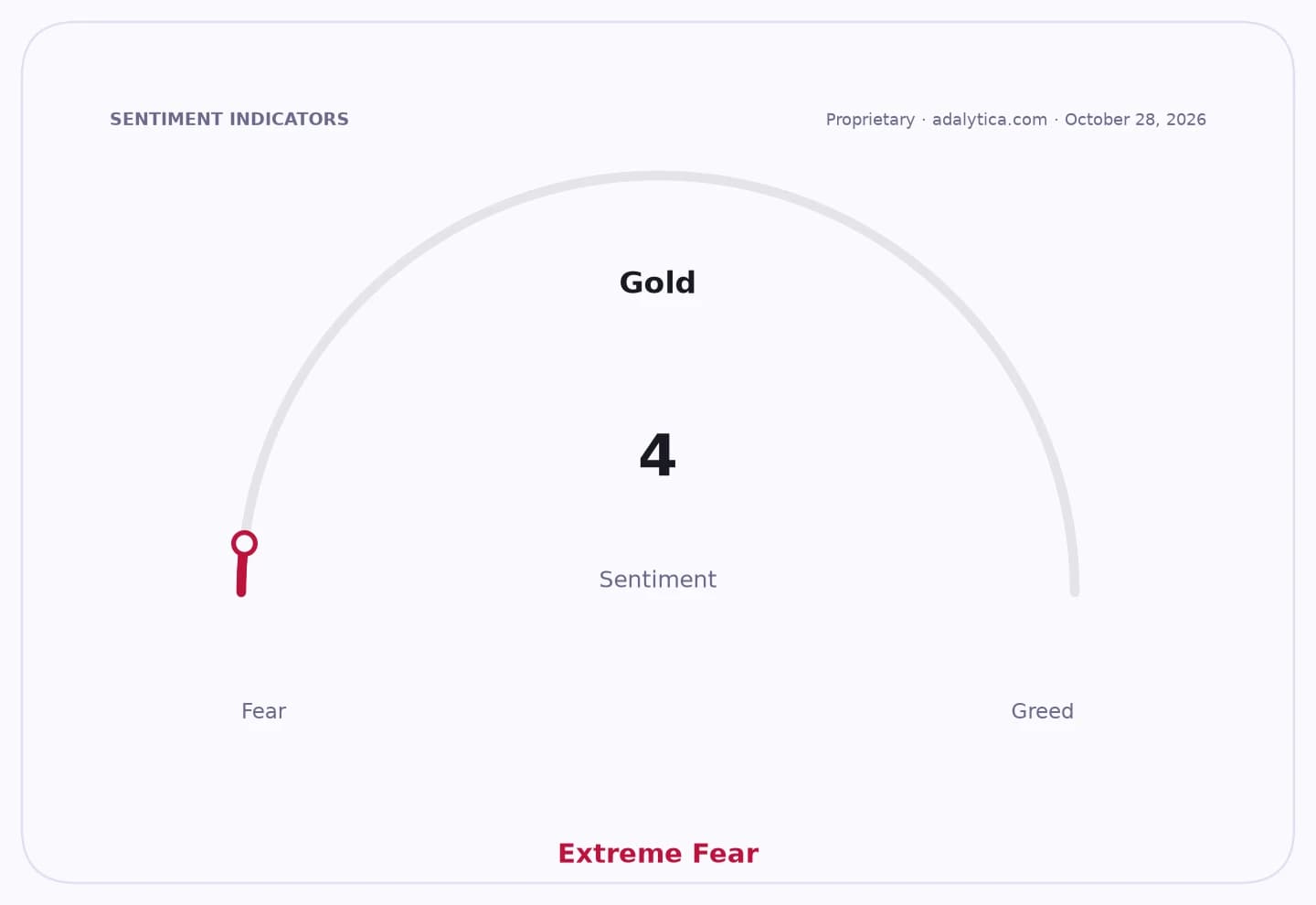
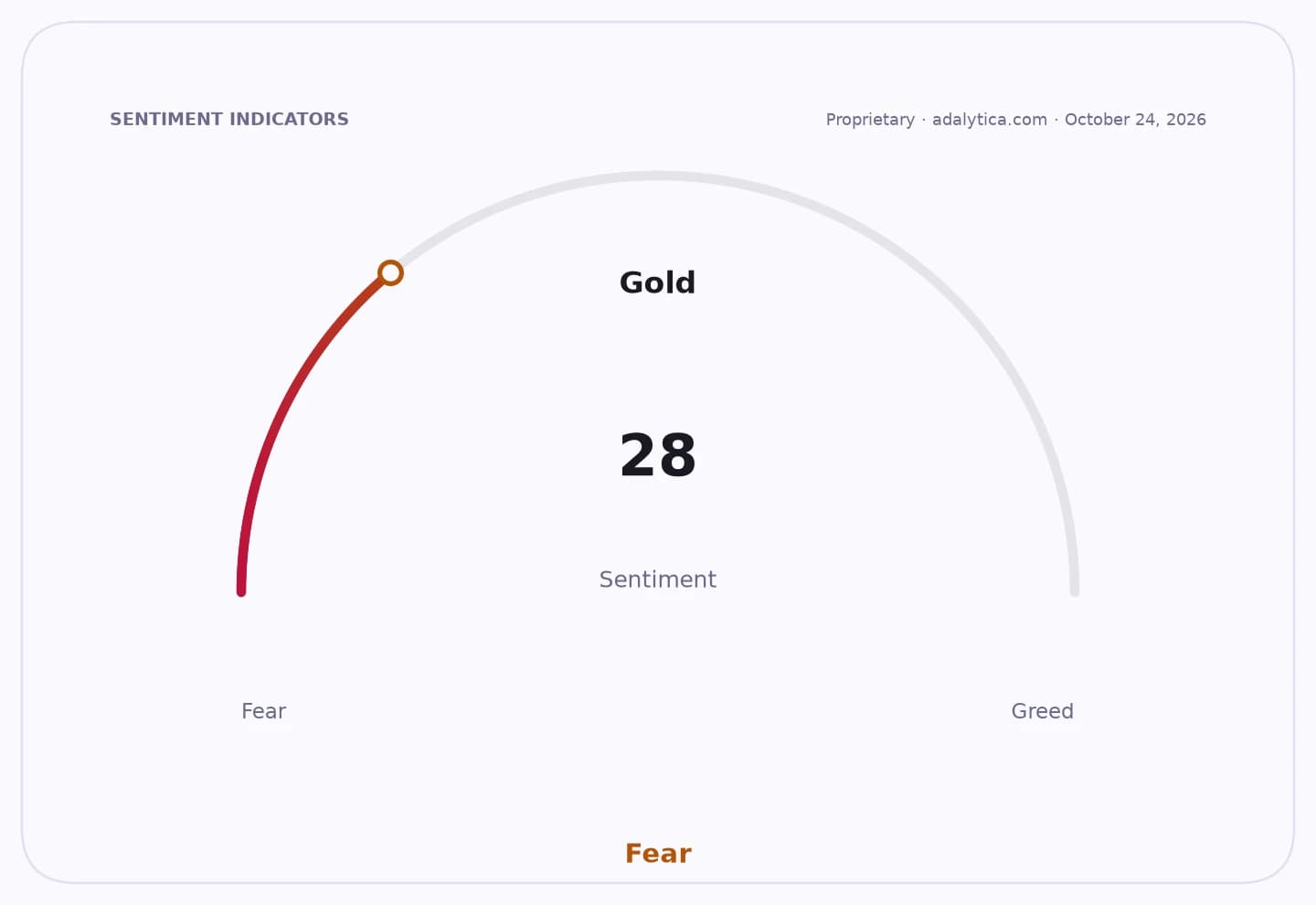
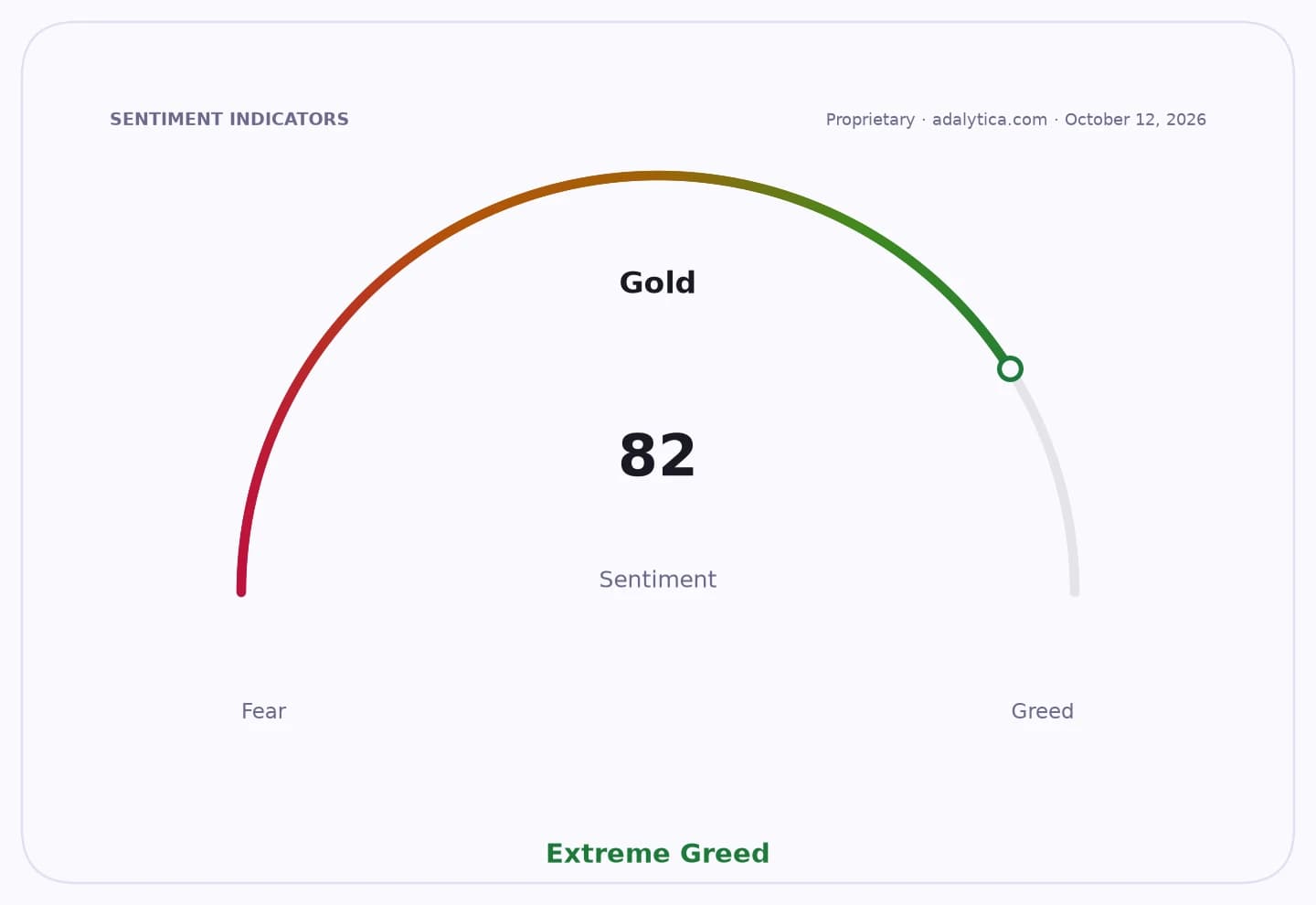
The global pullback is the more important macro signal. Spot gold was around $3,993 to $4,028 an ounce, down about 2.5% from $4,132 a day earlier, after a selloff that pushed prices to the lowest levels in more than two months at one point. Reuters data also showed U.S. gold futures weakening toward the $4,040 area, while the Gold Fear & Greed Index from Adalytica.com slipped into “Fear,” a reminder that momentum is no longer one-way.
That reversal matters because gold had been one of the market’s cleanest expressions of inflation anxiety and policy uncertainty. The latest decline came as oil prices firmed and traders reassessed the inflation path, which can cut both ways for bullion: sticky prices support gold over the long run, but a sharp move in one commodity can trigger forced selling across crowded positions before the next leg higher.
For investors, the setup argues for patience rather than chasing spot moves at home. Vietnamese gold bars remain in a high-price regime, but the real opportunity is likely in the beneficiaries of persistent retail demand, not in late buyers paying the widest spreads. Globally, the correction may reset positioning in gold miners and bullion ETFs, but it does not erase the broader thesis that de-globalization, geopolitical tension and inflation hedging keep gold strategically relevant.
The next catalyst is whether global bullion can stabilize above the $4,000 level and whether domestic Vietnamese premiums stay elevated. If they do, the market is telling you that gold is still behaving less like a trade and more like a structural store of value. That is the signal investors should watch.
| Entity | Gains | Losses |
|---|---|---|
| Vietnamese gold sellers | ▲Wider retail spreads | ▼Buyers paying near-peak prices |
| Gold buyers in Vietnam | ▲Inflation hedge access | ▼Immediate mark-to-market risk |
| Gold ETFs and miners | ▲Lower entry points if correction deepens | ▼Momentum traders caught in selloff |
| Global gold bears | ▲Short-term downside momentum | ▼If $4,000 support holds |