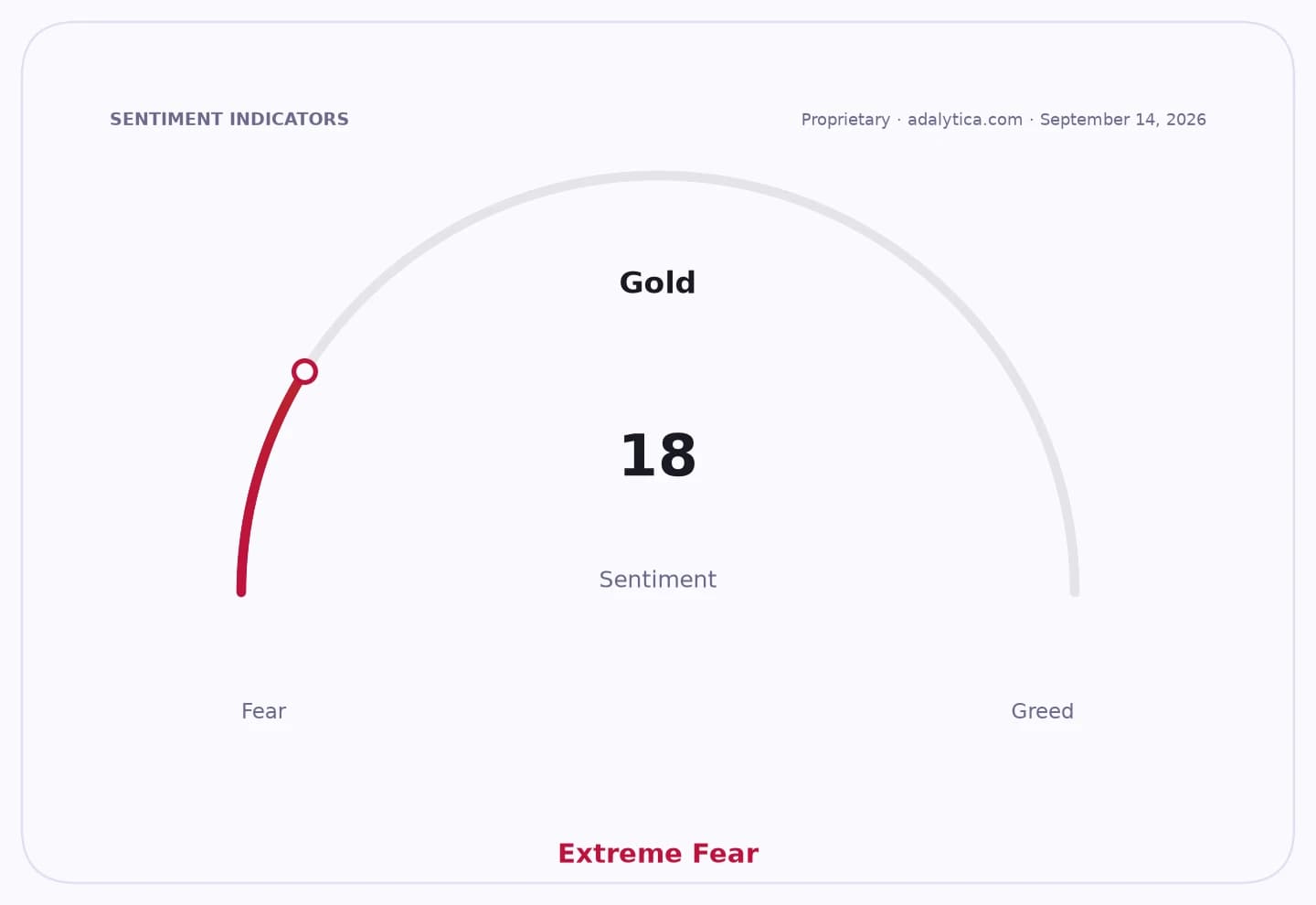
Vietnam’s gold bar market is showing extreme pricing distortion, with Bảo Tín Minh Châu widening its buy-sell spread to as much as 4.9 million dong per tael even as domestic selling prices climb to a record 144.8 million dong.
Vietnam gold bars trade at record premium
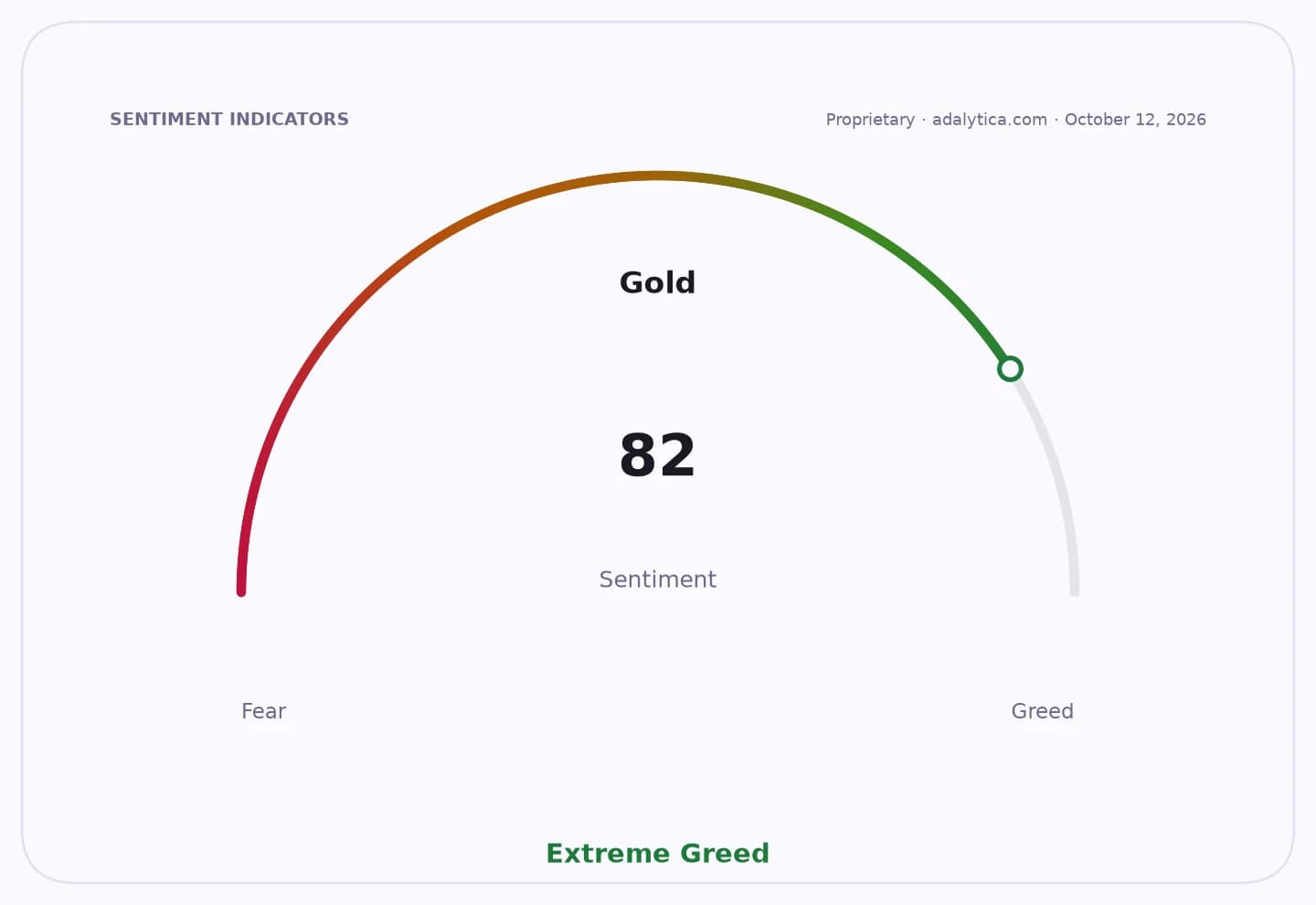
The unusually wide gap matters because it raises the cost of entry for retail buyers, reduces liquidity for traders and highlights how fragmented Vietnam’s gold market has become during a sharp run-up in prices. For investors, it is a sign that local demand is still strong enough to keep prices elevated, but dealers are protecting themselves against volatility by charging a larger premium to sell.
At 9 a.m. on Oct. 10, SJC quoted gold bars at 141.8 million dong to buy and 144.8 million dong to sell, a 3 million dong spread, after lifting prices by 800,000 dong from the previous day. Phú Quý quoted a 3.8 million dong gap, while DOJI also kept a 3 million dong spread. Bảo Tín Minh Châu stood out with a 139.9 million dong buy price against a 144.8 million dong selling price.
The pricing comes as global gold rose to $4,194 an ounce, up $62 from the prior day, equivalent to about 131.8 million dong per tael. That leaves SJC bars trading roughly 13 million dong above the world price, underlining the persistent domestic premium that has made Vietnamese bullion more expensive than international benchmarks.
The wider market remains under pressure from volatility in the metal and the currency. Vietnam’s central bank set the midpoint exchange rate at 25,629 dong per dollar, while Vietcombank quoted the U.S. currency at 25,690-26,070 dong, slightly lower on the day. Gold ring prices also moved unevenly across brands, reinforcing the view that dealers are managing risk aggressively rather than narrowing spreads.
The next focus for investors and savers will be whether the international gold rally can sustain local premiums or whether a steadier dollar and softer global prices ease the gap between buying and selling levels.
| Entity | Gains | Losses |
|---|---|---|
| Gold dealers | ▲Wider risk buffers | ▼Lower trading volume |
| Retail buyers | ▲None | ▼Higher entry cost |
| Gold holders | ▲Mark-to-market gains | ▼Wider exit spread |
| SJC premium | ▲Price support | ▼Arbitrage pressure |