Gold, cash and real estate were used on a vast scale to conceal the proceeds of Vietnam’s biggest alleged foreign-exchange and stock fraud, with investigators saying the network routed hundreds of billions of dong through bullion and property to keep the money out of sight.
Vietnam fraud case exposes gold, property laundering
Gold
The most striking detail is not the size of the haul but the way it was organized. Prosecutors say Phó Đức Nam, known as Mr Pips, directed his live-in girlfriend Nguyễn Thanh Tâm to hold and manage criminal proceeds, making her the “key keeper” of the operation even though she did not front the sales pitches that lured victims into the fraud. Her role, according to the indictment, was to convert illicit cash into assets that could be hidden, moved and re-registered.
Sentiment Indicators
Authorities said they seized more than 94 kilograms of gold from Tâm’s 28 billion dong apartment in Ho Chi Minh City, worth more than 222 billion dong, alongside 44.8 billion dong in cash, more than $1.7 million and hundreds of thousands of other foreign currencies. That stash alone underscores how quickly fraud proceeds can be transformed into portable stores of value when criminals expect scrutiny from law enforcement.
The case matters economically because it shows how illicit capital can distort local asset markets. When hundreds of billions of dong are pushed into gold, land and apartments, the activity is not just money laundering; it is also a bid for financial insulation in an environment where trust in formal channels is weak. It reinforces why regulators care about real estate ownership structures, nominee holdings and bullion purchases: these are among the easiest ways to obscure beneficial ownership and preserve value outside the banking system.
For investors, the story is a reminder that gold’s role as a safe haven can be exploited for non-investment purposes. That does not change the metal’s macro appeal as a hedge against inflation, currency weakness or geopolitical stress, but it does complicate the picture in physical bullion markets where demand can be driven by fear, preservation of capital and illicit flows as much as by portfolio allocation. In bullion-linked products and miners, those cross-currents can feed volatility even when the broader investment case remains intact.
The indictment also points to a wider enforcement risk for anyone exposed to Vietnam’s property and financial markets. Prosecutors said Tâm and relatives helped buy 32 properties worth 378 billion dong, while other associates allegedly assisted in laundering more than 384 billion dong. The allegations extend to a former police officer in an advisory role and a prominent businessman accused of helping launder 320 billion dong, suggesting a broader ecosystem of facilitation around the scheme.
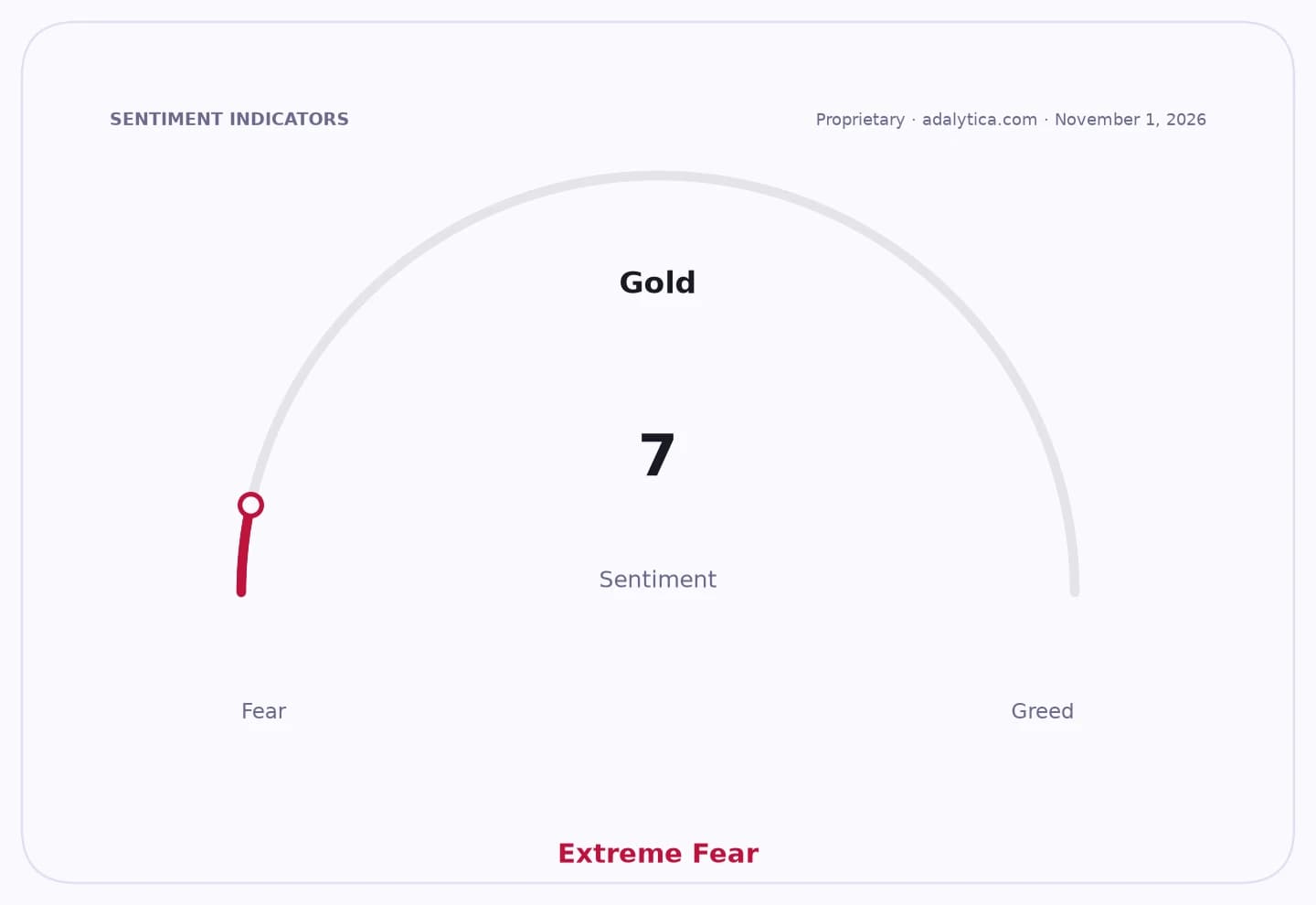
For gold investors, the immediate implication is not a direct market move but a reminder of why demand can stay resilient even during price swings. Adalytica’s Gold Fear & Greed Index sat at 33, in neutral territory, after a volatile stretch, while GLD has fallen to $355.78 and PHYS to $29.35, both below their 50-day moving averages. That price action reflects a market that is still digesting hotter U.S. rate expectations and a stronger dollar, even as episodes like this reinforce gold’s enduring appeal as a value-preservation asset.
The broader narrative is that gold remains both a financial hedge and a hiding place. For regulators, that means more pressure to tighten anti-money-laundering controls around bullion, property and shell companies. For investors, it means the metal’s safe-haven premium may persist, but so too will the scrutiny on how demand is formed and where the money comes from.
| Entity | Gains | Losses |
|---|---|---|
| Mr Pips network | ▲Hidden storage for proceeds | ▼Asset seizures, criminal charges |
| Gold sellers/brokers | ▲Transaction volumes | ▼AML scrutiny |
| Vietnamese regulators | ▲Enforcement leverage | ▼Reputational pressure |
| Bullion investors | ▲Safe-haven appeal | ▼Volatility from illicit demand |