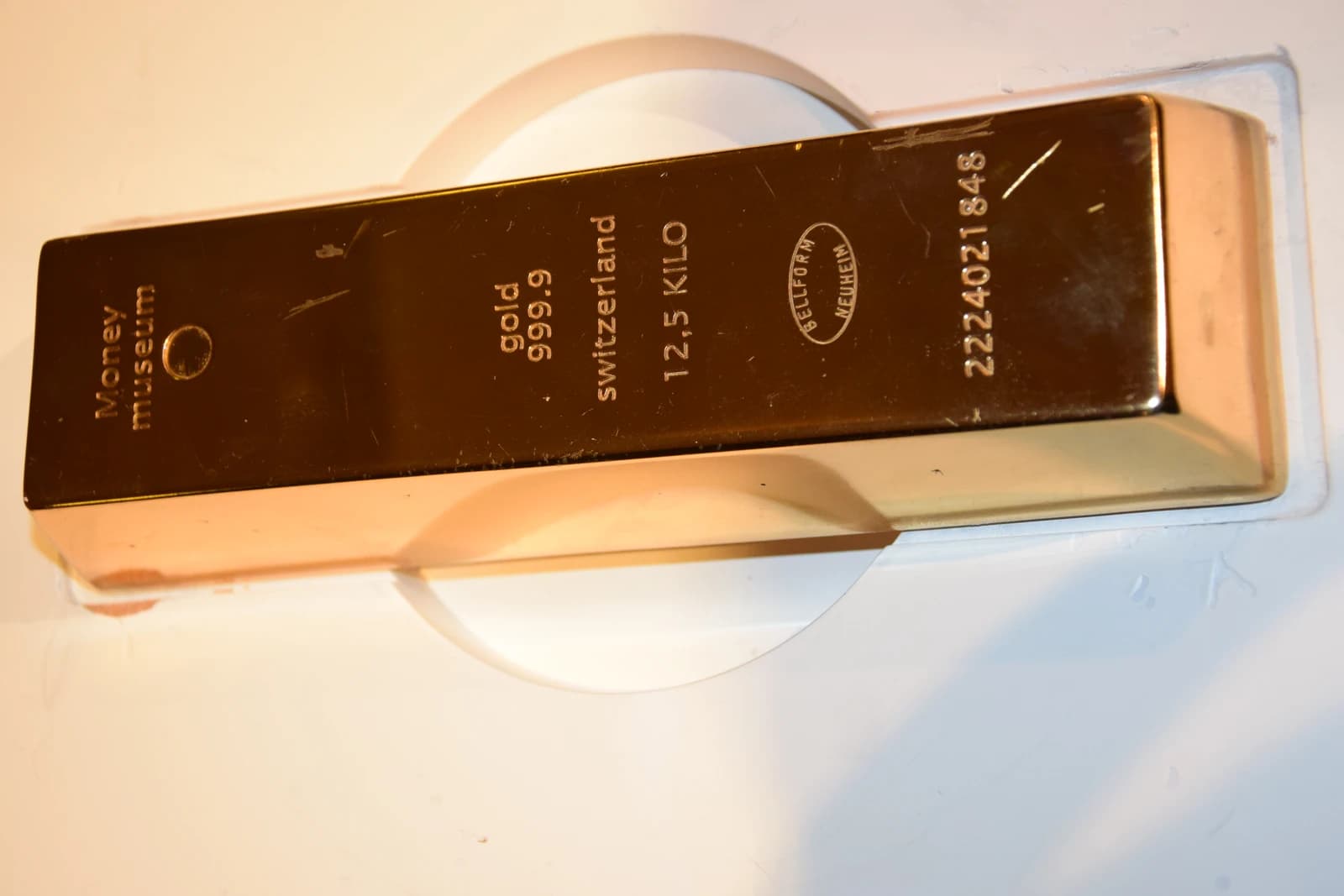
Gold auctions are drawing unusual international demand, with more than 320 local and foreign companies competing for mineral assets at a time when bullion remains one of the market’s most sought-after hedges against policy risk, inflation and geopolitical strain.
Gold auction demand rises as bidders crowd assets
That level of participation matters because it shows how aggressively capital is chasing real assets even as traditional financial markets wrestle with higher-for-longer interest rates and volatile growth expectations. When more than 300 bidders crowd into a gold auction, the signal is not just about one sale — it is about a broader repricing of resource scarcity, sovereign risk and the strategic value of mineral wealth.
Sentiment Indicators
Gold’s appeal has been reinforced by a volatile macro backdrop. U.S. Treasury yields have stayed elevated, with the 10-year around 5% and the 2-year near 4.6%, while inflation remains sticky, giving investors little reason to trust paper assets alone. At the same time, gold prices have remained highly sensitive to global instability, with standard technical measures showing the metal had been under pressure recently even after a powerful run earlier this year. The 50-day moving average on gold futures sits above the latest price, and the RSI has fallen into oversold territory, a sign that traders are still parsing whether the pullback is a reset or a buying opportunity.
The investor case is straightforward: strong auction demand suggests asset owners can still command premium valuations for scarce, politically exposed resources. That is constructive not just for bullion prices, but for listed miners with leverage to renewed competition for reserves. Newmont, one of the sector’s largest names, has already told investors in its latest filing that depreciation and amortization per ounce fell as higher gold ounces were sold and reserve additions lowered mineral-interest depreciation rates. In other words, reserve replacement and scale still matter, and the companies that can add ounces in stable jurisdictions may be the biggest long-term winners.
The broader narrative is that the market underestimates how much geopolitical fragmentation is feeding a race for hard assets. Adalytica’s Global Stability Sentiment is flashing extreme greed, while gold-specific sentiment has swung sharply from fear toward neutrality, suggesting investors are watching for the next catalyst rather than abandoning the trade. That is exactly the kind of setup that can create asymmetric upside in quality miners, royalty names and gold-backed vehicles if auction demand translates into higher realized asset values and renewed M&A interest.
For investors, the message is to stay positioned for a world where mineral wealth is increasingly strategic, not merely cyclical. If auction demand remains this broad, the next leg of the gold trade may come less from fear and more from competition for control of scarce resources.
| Entity | Gains | Losses |
|---|---|---|
| Gold asset sellers | ▲Higher auction pricing | ▼Bargaining power loss |
| Winning bidders | ▲Reserve growth, scarcity premium | ▼Cash deployed upfront |
| Newmont and peers | ▲Better valuation for ounces | ▼Higher competition for assets |
| Gold consumers/importers | ▲— | ▼Rising acquisition costs |