Indonesia’s finance minister said inflation at 3.23% remains within the government’s target band, while a rebound in manufacturing activity suggests companies are preparing for stronger demand — a combination that supports the case for steadier growth without forcing policymakers into a tightening response.
Indonesia Inflation Stays Within Target as PMI Rises
CPI
The reading matters because it keeps Asia’s largest economy inside a comfort zone that gives the government and Bank Indonesia more room to support domestic activity. Suahasil Nazara said the inflation target is 2.5% plus or minus 1 percentage point, putting the latest figure within the 1.5%-3.5% range. For investors, that helps preserve the prospect of relatively stable interest rates, contained pricing pressures and still-healthy consumption.
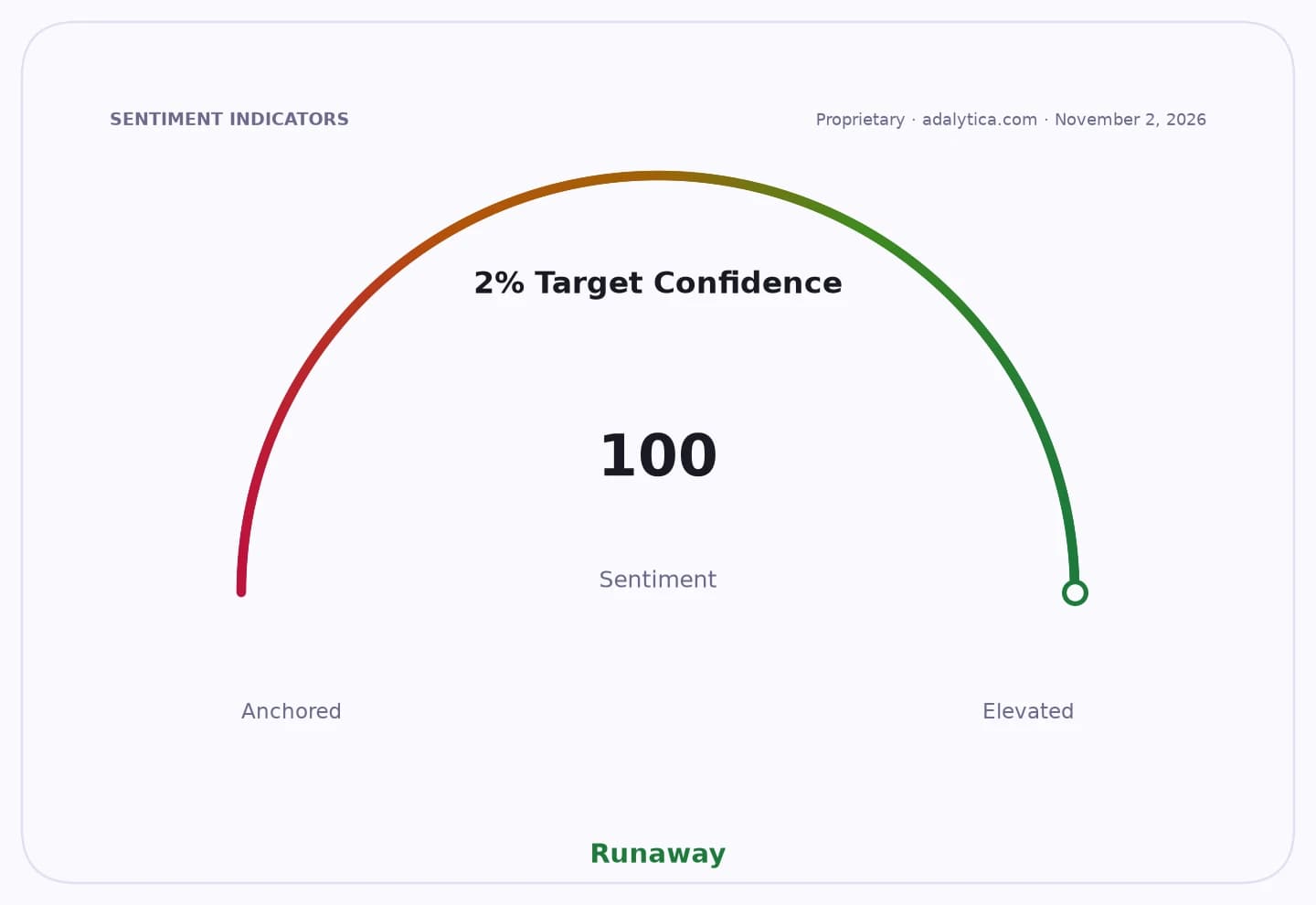
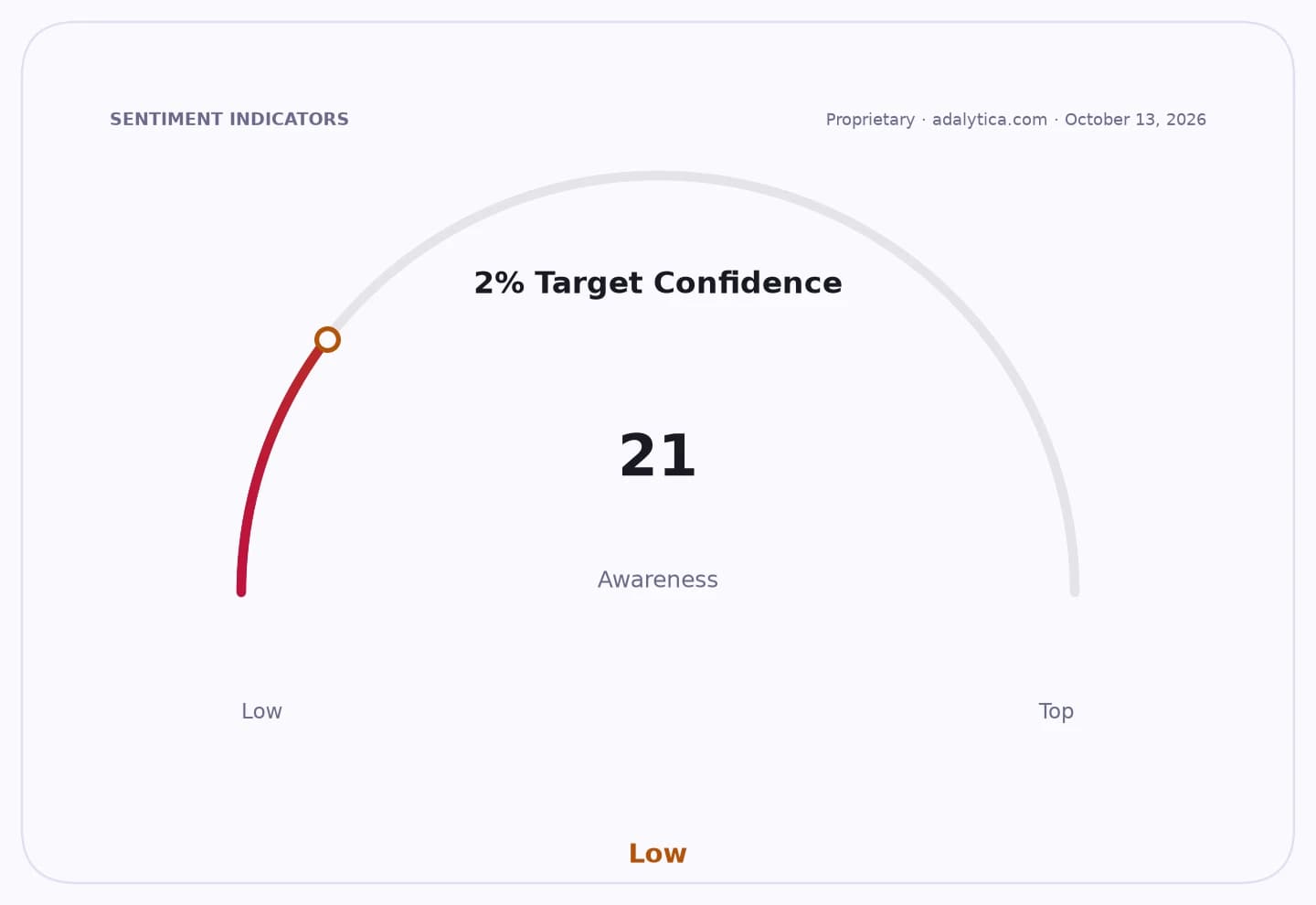
Sentiment Indicators
2% Target Confidence
At the same time, October’s manufacturing PMI rose to 54 from 52 in September, a level that indicates expansion and, more importantly, an expectation of higher orders. Suahasil said firms are building inventories and increasing input purchases because they anticipate a pickup in demand, a sign that industrial activity is not just holding up but may be entering a firmer phase.
That combination — inflation staying inside target while manufacturers turn more confident — is generally supportive for equities and domestic cyclicals, because it implies growth can improve without an immediate squeeze from policy. It also helps fixed-income markets, where investors tend to prefer a backdrop of anchored inflation and manageable rate expectations. The latest setup is consistent with a “soft-landing” narrative rather than one of overheating.
The government is also trying to frame the data as evidence that the economy remains “on track” after the minister reported to President Prabowo Subianto on national economic stability. That messaging matters because policy continuity is important for capital inflows, business investment and the currency at a time when global rates remain elevated.
Still, investors will watch whether the rebound in manufacturing feeds into broader price pressures over the coming months. If demand accelerates faster than expected, inflation could move closer to the top of the target range and reduce room for policy support. For now, though, the latest data points to an economy that is expanding with inflation still under control.
| Entity | Gains | Losses |
|---|---|---|
| Indonesian government | ▲Growth narrative | ▼Room to maneuver |
| Manufacturers | ▲Demand outlook | ▼Cost discipline |
| Consumers | ▲Stable prices | ▼None significant |
| Bondholders | ▲Inflation comfort | ▼Higher-rate risk |