Indonesia’s effort to cap rice prices through Bulog’s SPHP program is running into resistance at the retail level, with traders saying the scheme is too costly, too complicated and too rigid to move through neighborhood markets.
Indonesia Rice Price Cap Faces Retail Resistance
That matters because rice is a politically sensitive staple and the government’s stock-distribution channel is supposed to soften price spikes in a market that has already been buffeted by tight supply, weaker exports and uneven domestic availability. If small shops refuse to stock SPHP, the state loses one of its main tools for getting cheaper rice to consumers quickly.
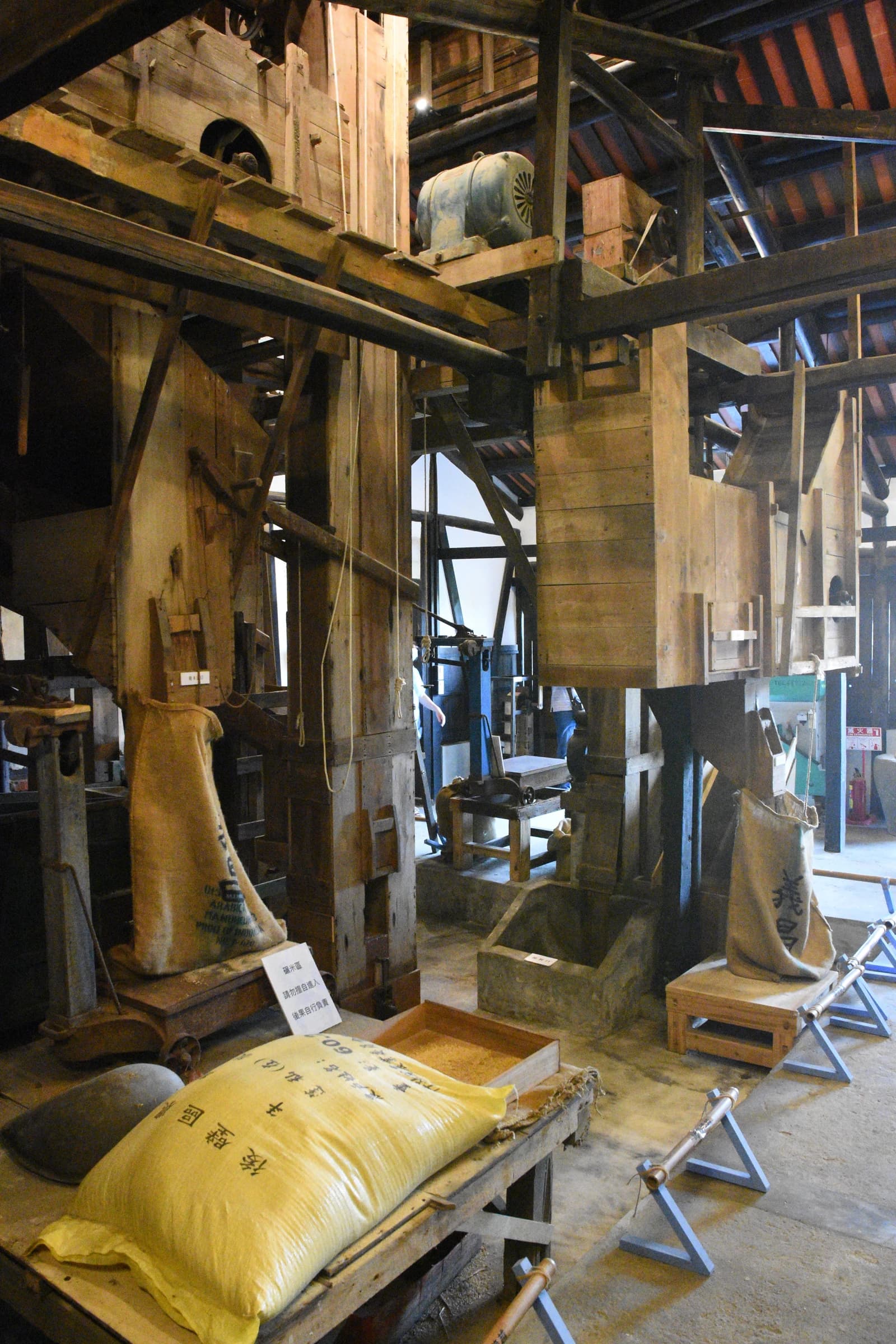
At Pasar Rumput in Jakarta, traders said they are wary of being forced to buy in bulk, often at a minimum of 1 ton, even as customer demand remains uncertain. One merchant said tying up capital in SPHP would slow cash turnover, while another said the packaged 5-kilogram format does not fit outlets that mostly sell loose rice.
Retailers also flagged Bulog’s requirements that buyers register personal data through an app before sales can proceed, along with a pre-order system that leaves them unable to inspect quality before taking delivery. Traders said the result is a risk of getting rice that is hard to sell and cannot be returned.
The complaints suggest a distribution problem rather than a supply problem alone. Bayu, one trader interviewed by CNBC Indonesia, said SPHP can help restrain prices in principle, but called for clearer rules and broader access through wholesalers and markets such as Pasar Induk Beras Cipinang, where smaller traders could source inventory more easily.
For investors and market watchers, the issue cuts beyond retail frustration: if the program fails to reach the point of sale, food inflation can stay elevated even when the state has rice in reserve. That raises the odds of continued intervention, more pressure on Bulog to adjust logistics and closer scrutiny of how effectively Indonesia can keep staple prices contained ahead of any fresh supply shocks.
| Entity | Gains | Losses |
|---|---|---|
| Consumers | ▲Potentially lower rice prices | ▼Slower access to SPHP rice |
| Bulog / government | ▲Policy credibility if distribution improves | ▼Effectiveness if retailers stay out |
| Small rice traders | ▲None immediately | ▼Capital tied up, harder sales |
| Rice buyers with wider networks | ▲Easier access if channels open | ▼Less advantage if rules tighten |