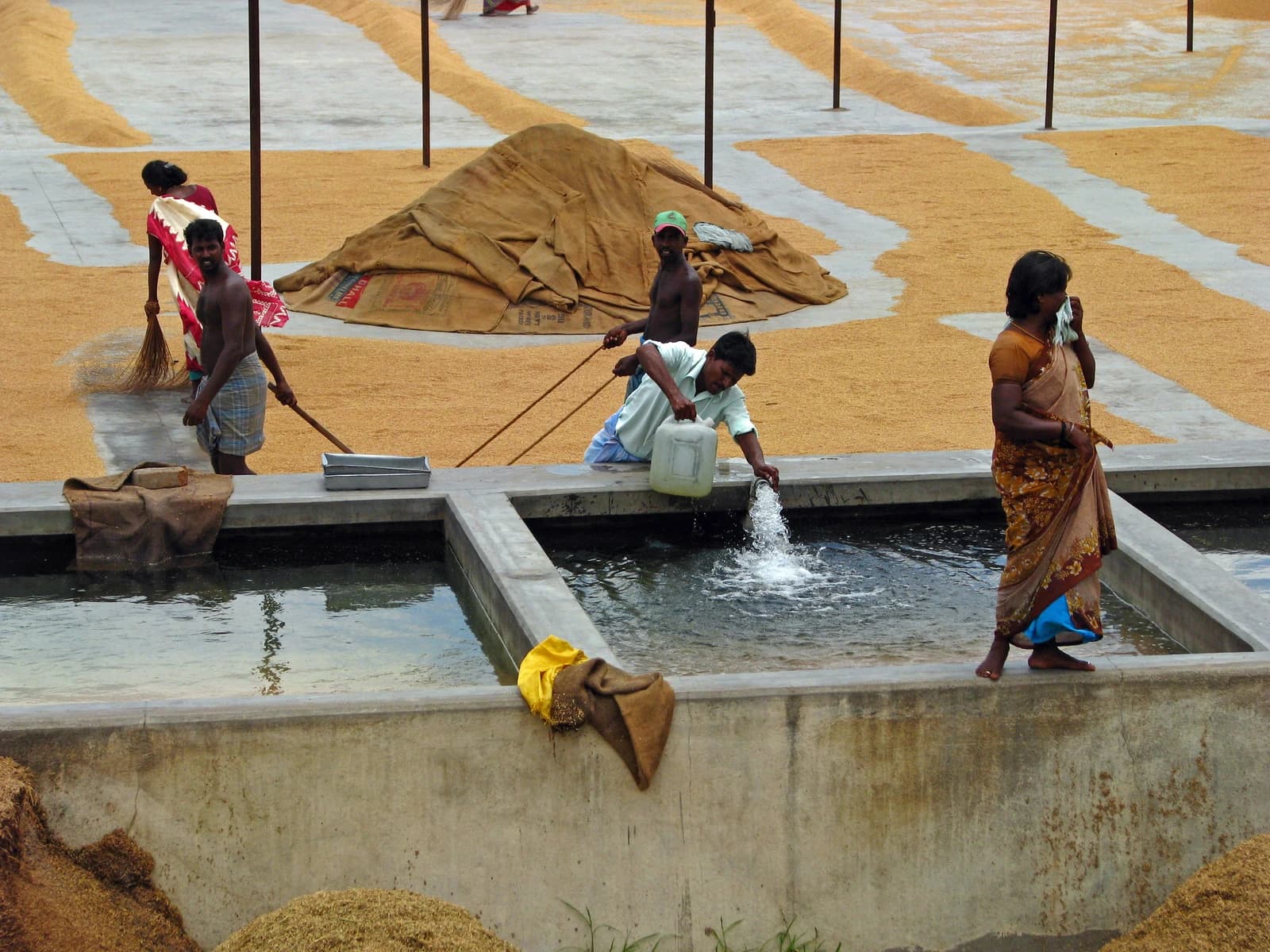
Rice prices are climbing fast again in Karnataka, and the spike is hitting households, restaurants and traders just as supplies tighten after a weak monsoon and lower paddy planting.
Karnataka rice prices rise on weak monsoon
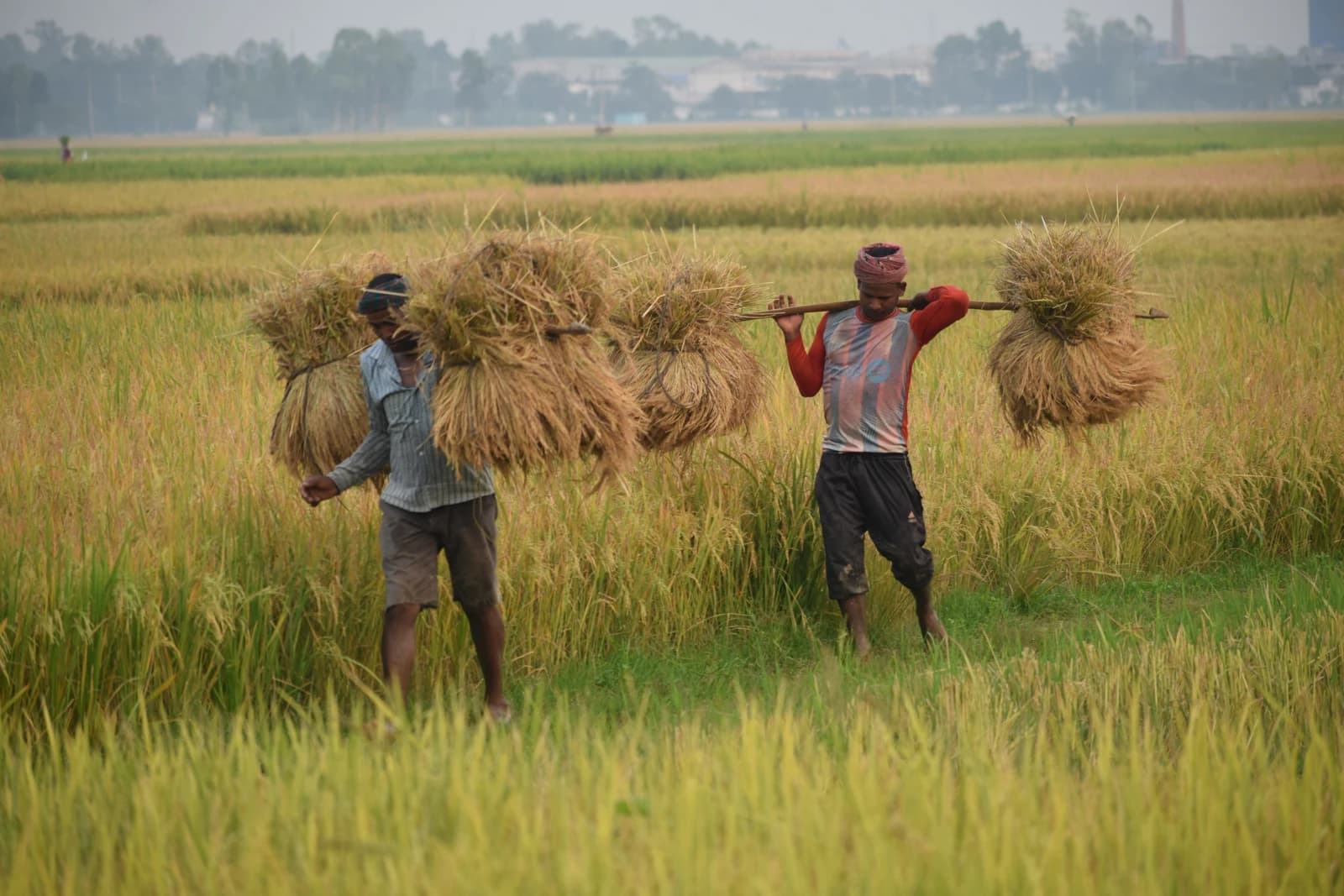
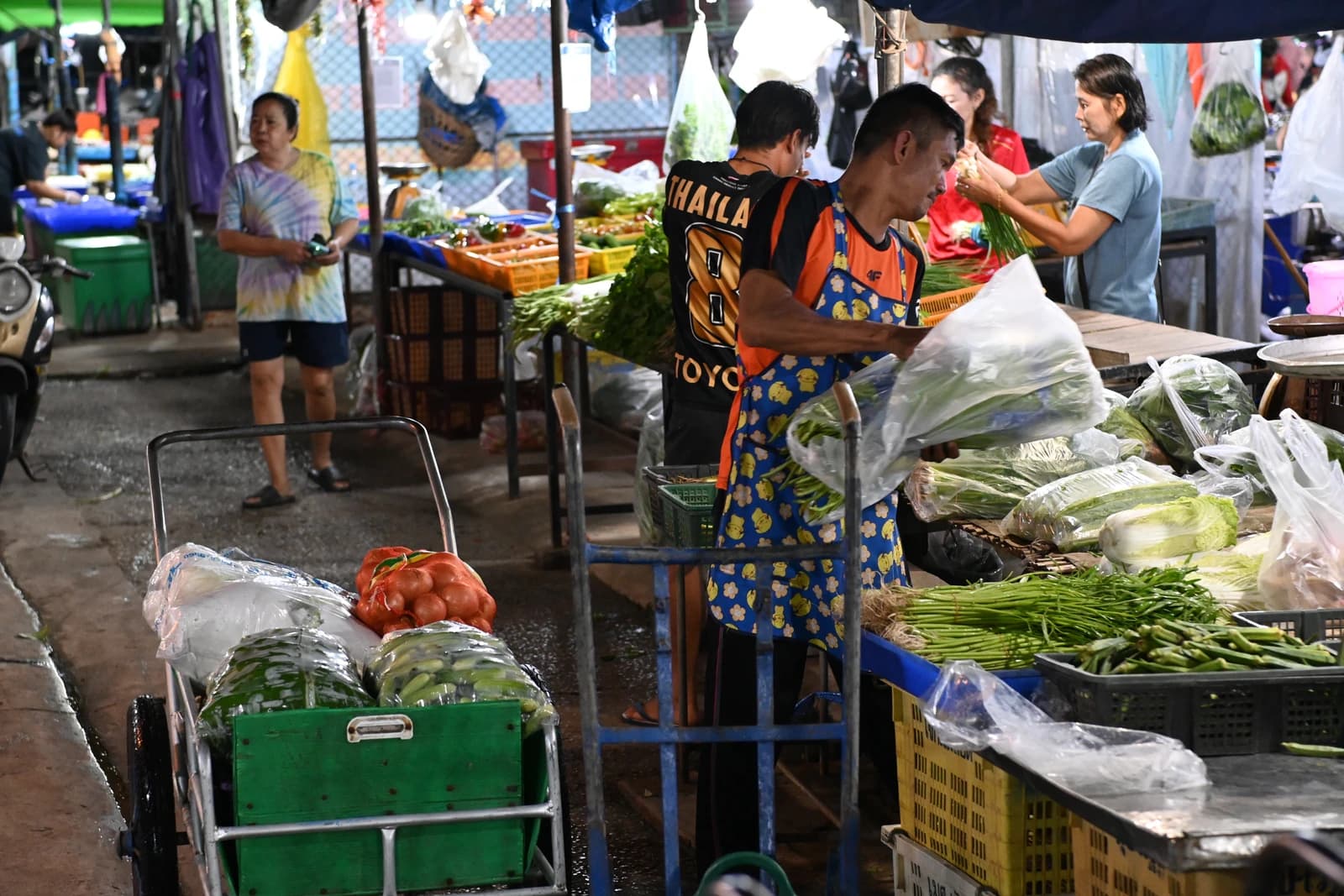
Over the past two to three months, rice prices in the state have risen 25% to 30%, pushing the cost of a kilogram of rice above 100 rupees, according to the data and local reports. That matters because rice is a daily staple for millions of consumers, so even a relatively short-lived supply squeeze can quickly ripple through food budgets, hotel menus and wholesale pricing.
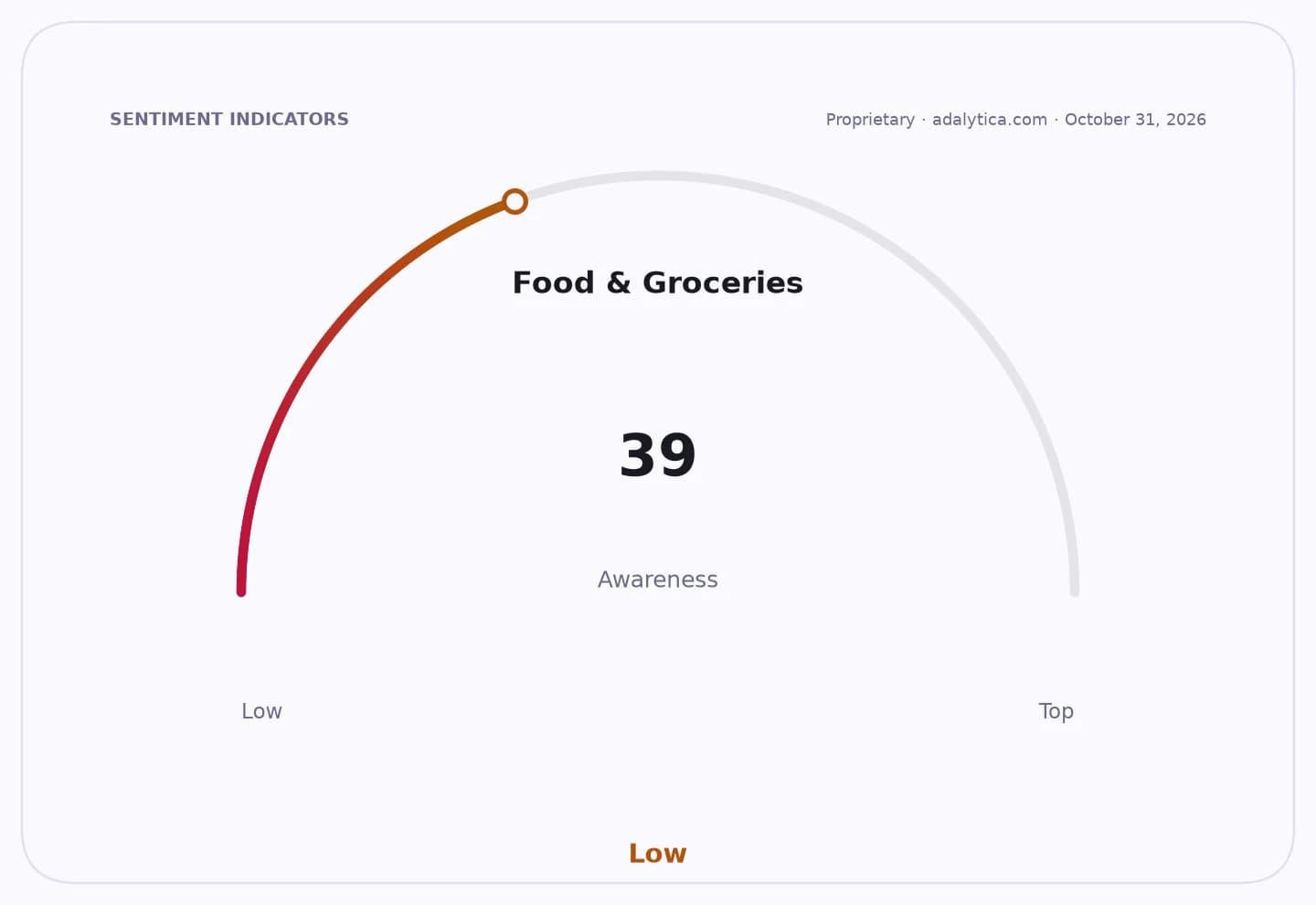
Sentiment Indicators
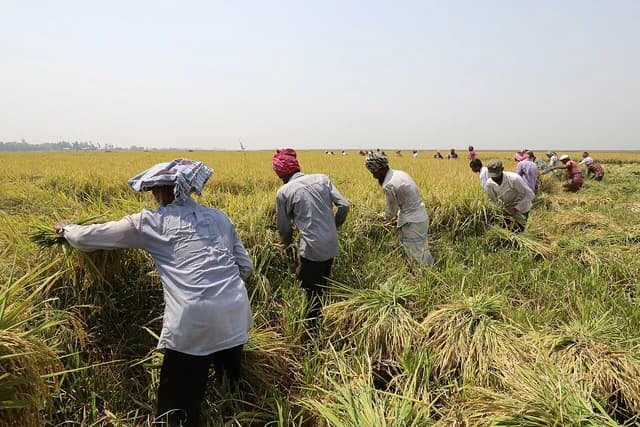
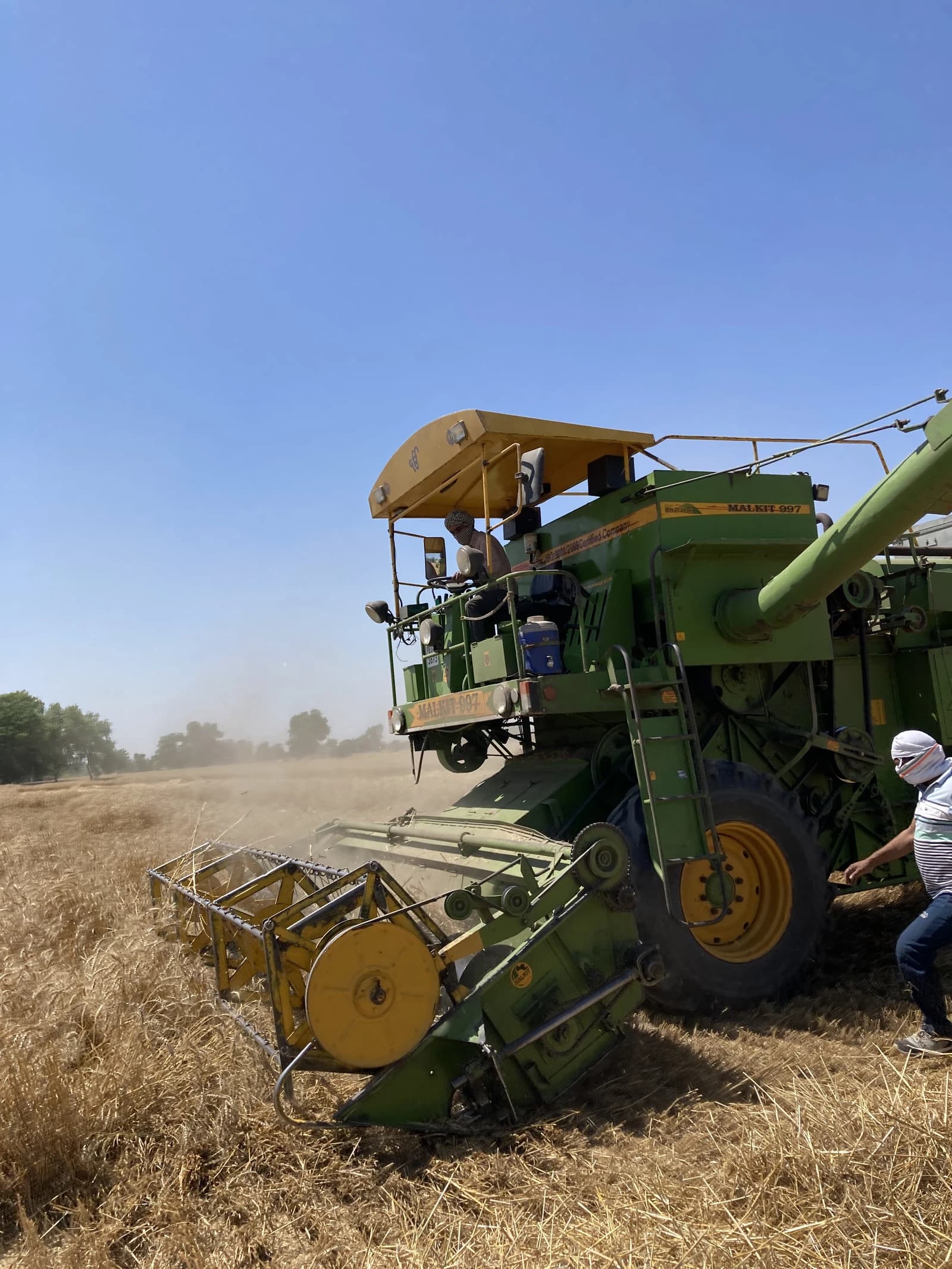
The immediate trigger is straightforward: less rain, less planting and weaker yields in major rice-growing districts such as Koppal, Ballari and Raichur. When production falls in key belts, millers and traders have less grain to move, and buyers pay up for popular varieties such as Sona Masuri, steam rice, kolam, basmati, jeera rice and rajmudi. The broader pattern is also showing up outside Karnataka, with rice export prices in Asia climbing to multi-year highs and export volumes rising for a second straight week, a sign that the market is tight well beyond one state.
For investors, the key issue is not just that rice is expensive today, but that food inflation can linger longer than policymakers expect. India’s food prices feed directly into household spending power, and persistent increases in staples can pressure consumer demand even if overall inflation looks contained on paper. The data context also points to growing anxiety in grocery and food channels: Adalytica’s Food and Grocery Spending Sentiment is in “Extreme Greed,” while CPI sentiment remains neutral, suggesting consumers are noticing the pressure even if the macro picture has not yet fully rolled over.
There is also a policy angle worth watching. Karnataka officials have warned hotel operators and traders against illegal hoarding, and the state says it has already seized about 1.8 million kilograms of rice and arrested more than 232 people. That tells investors the government sees this as both a supply and enforcement problem. If authorities tighten scrutiny on storage and distribution, short-term price spikes could become more volatile, even if they eventually help restore order to the market.
The long-term takeaway is that rice is behaving like a classic agricultural inflation story: weather, planting decisions, storage behavior and policy enforcement are all colliding at once. If monsoon recovery improves acreage and yields, prices should eventually cool. If not, consumers could face another stretch of sticky food inflation, and businesses tied to meals-away-from-home may have to keep passing through higher costs. For long-term investors, this is a reminder to watch food inflation trends closely, because staples can shape spending patterns far beyond the farm.
| Entity | Gains | Losses |
|---|---|---|
| Rice farmers | ▲higher selling prices | ▼higher uncertainty |
| Traders/hoarders | ▲short-term pricing power | ▼seizure and arrests |
| Restaurants/hotels | ▲none | ▼higher input costs |
| Consumers | ▲none | ▼higher grocery bills |