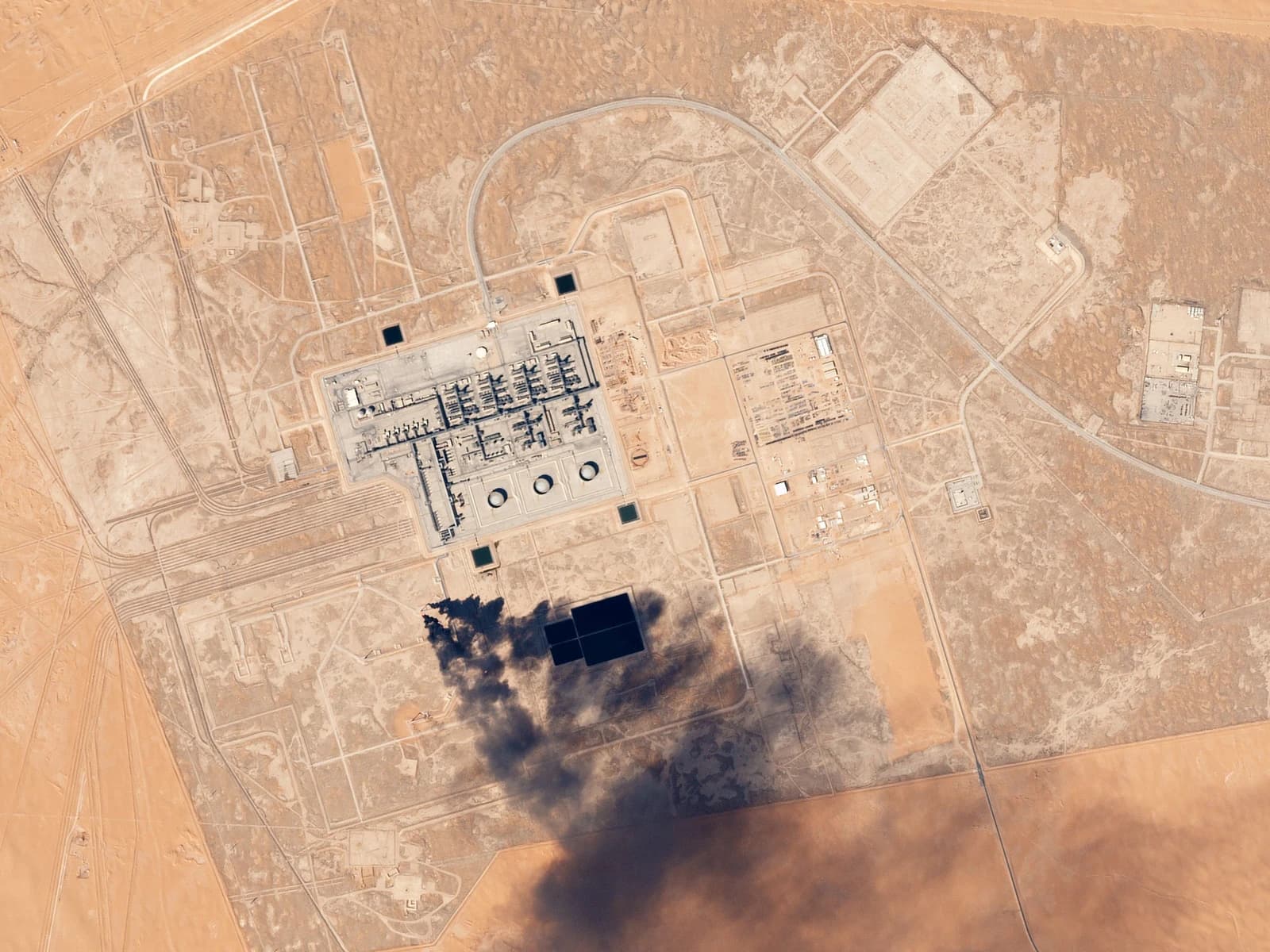
Saudi Aramco is still making more money even as war has damaged oil infrastructure and disrupted shipping routes, underscoring how elevated crude prices are outweighing the operational cost of conflict for the world’s biggest petroleum exporter.
Saudi Aramco Profit Rises Despite War Disruptions
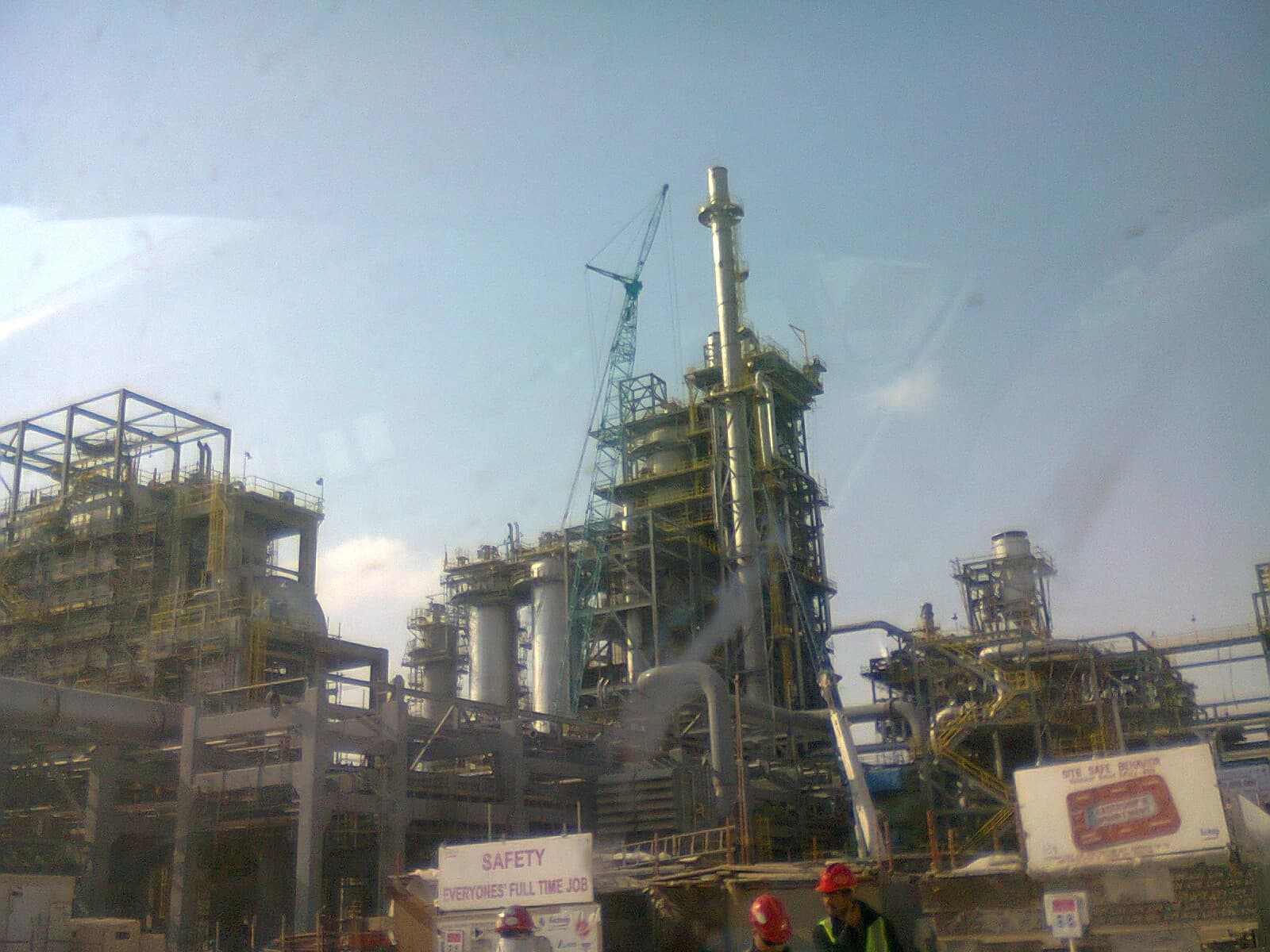
The Saudi producer said adjusted net income rose 9% to $31 billion in the third quarter of 2026, as it sold crude at about $95 a barrel while its upstream cost base remained around $11.50 a barrel, leaving a wide margin even after accounting for higher transport costs and intermittent supply losses. In riyal terms, net profit climbed 34.6% to 137.39 billion, according to the company’s reported results.
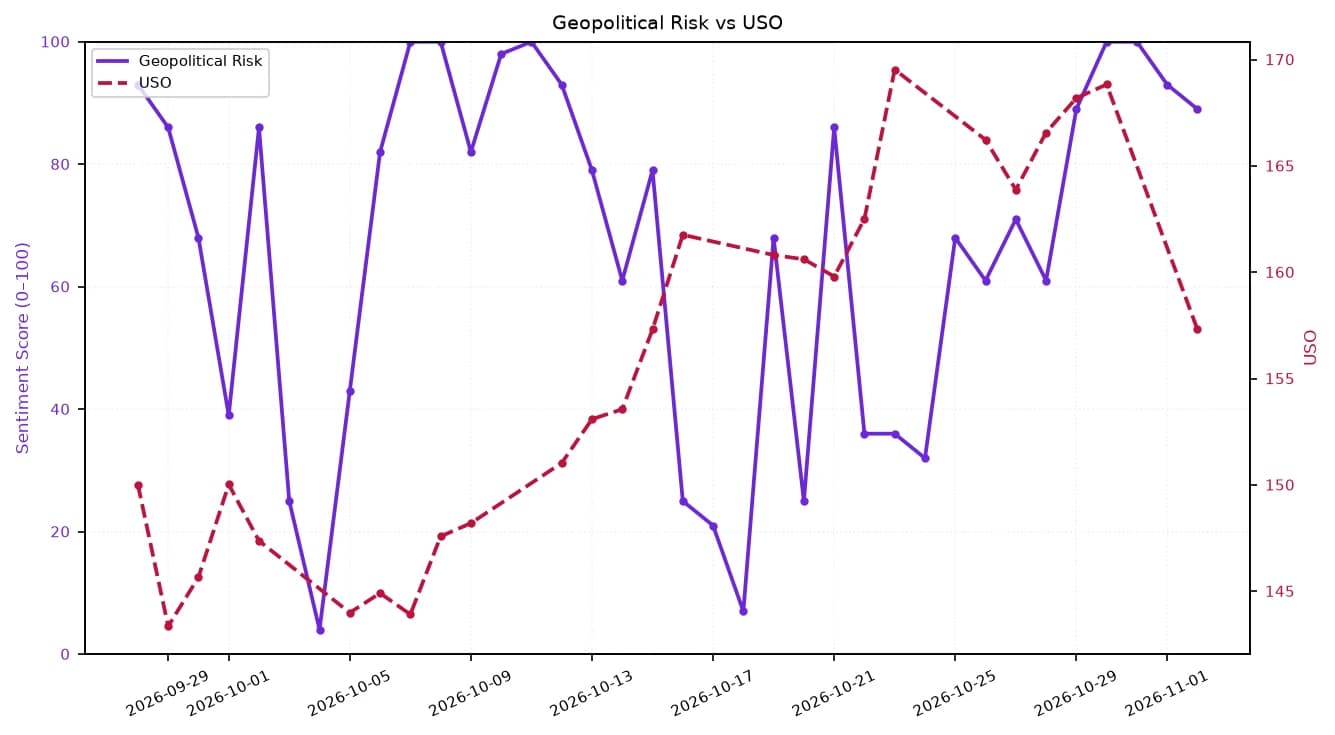
Sentiment Indicators
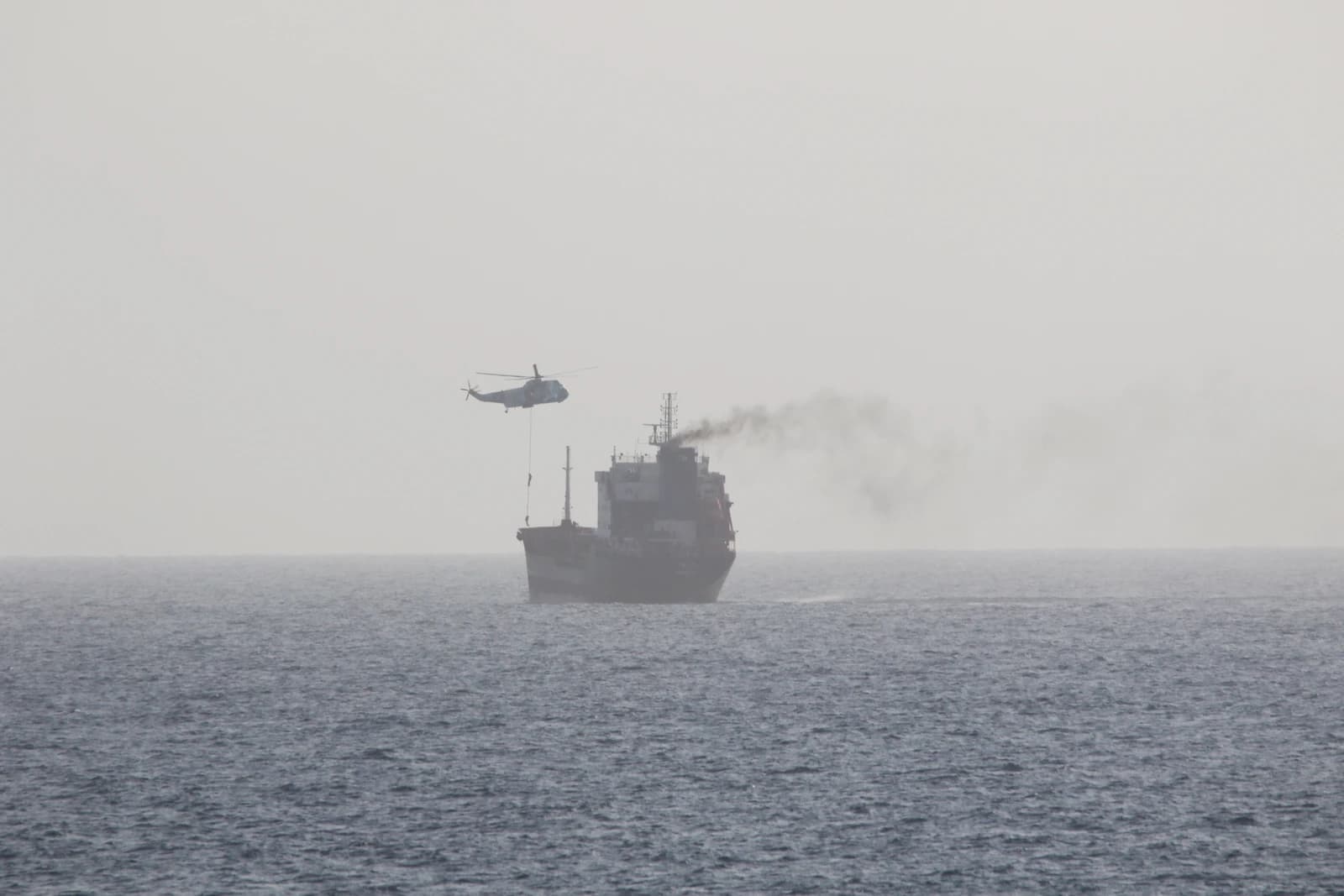
The economic significance is broader than one company’s earnings. The war with Iran and attacks on Saudi energy assets have tightened global supply, pushed freight costs sharply higher and forced Aramco to reroute exports through the Red Sea, the Suez-Mediterranean system and even tanker transshipments near Oman. The International Energy Agency said shipping costs from the Gulf to Asia have risen more than fivefold from prewar levels, a reminder that geopolitical risk is now a direct tax on global oil logistics.
For investors, the message is two-sided. The bull case is that Aramco’s low-cost reserves and huge scale still generate substantial cash even under attack, while restricted supply keeps crude prices supported. The bear case is that margins are being eroded by discounts to Asian buyers, now around $5 a barrel versus Dubai benchmark levels, and by the need for more capital spending on alternative export routes. Aramco’s capital expenditure fell 4% in the first nine months of 2026, but management is already weighing expensive infrastructure such as a potential $7 billion pipeline to Duqm in Oman.
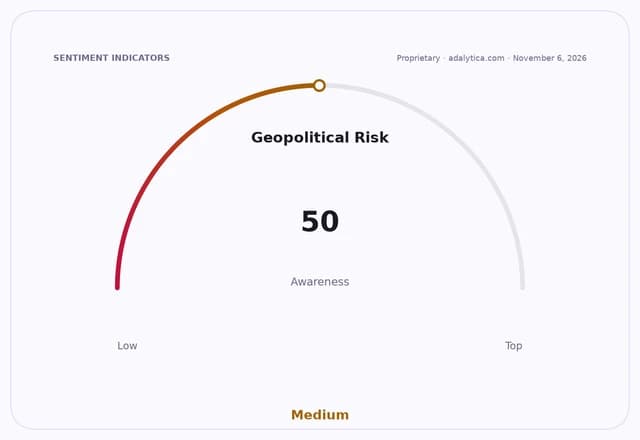
The stock and the sector have reflected that tension. Aramco’s shares were little changed around 26.16 riyals, while oil-linked funds have remained volatile as traders oscillate between supply shock premiums and expectations that prolonged conflict could eventually curb demand. Adalytica’s global stability gauge has eased to neutral after recent swings, while its oil WTI trade signals still show elevated awareness of disruption even as short-term sentiment cools.
Chief executive Amin Nasser is betting that the company can turn a geopolitical shock into a longer-lived strategic advantage by expanding pipeline capacity and adding new export outlets. If the conflict drags on, Aramco should remain flush with cash; if tensions ease, the company still faces the cost of hardening its network while oil prices may retreat from wartime highs.
| Entity | Gains | Losses |
|---|---|---|
| Saudi Aramco | ▲Higher profit margins | ▼Higher shipping and security costs |
| Oil exporters | ▲Stronger benchmark prices | ▼Export disruptions |
| Asian refiners/buyers | ▲— | ▼Higher crude costs and freight |
| Tanker owners/logistics firms | ▲Higher demand for rerouting | ▼Operational inefficiency risks |