Saudi Arabia’s plan to place crude oil in Singapore’s underground reserves marks a practical response to rising geopolitical risk in one of the world’s most exposed energy corridors, with implications for supply security, Asian pricing and the value of physical storage.
Saudi Aramco to store crude in Singapore
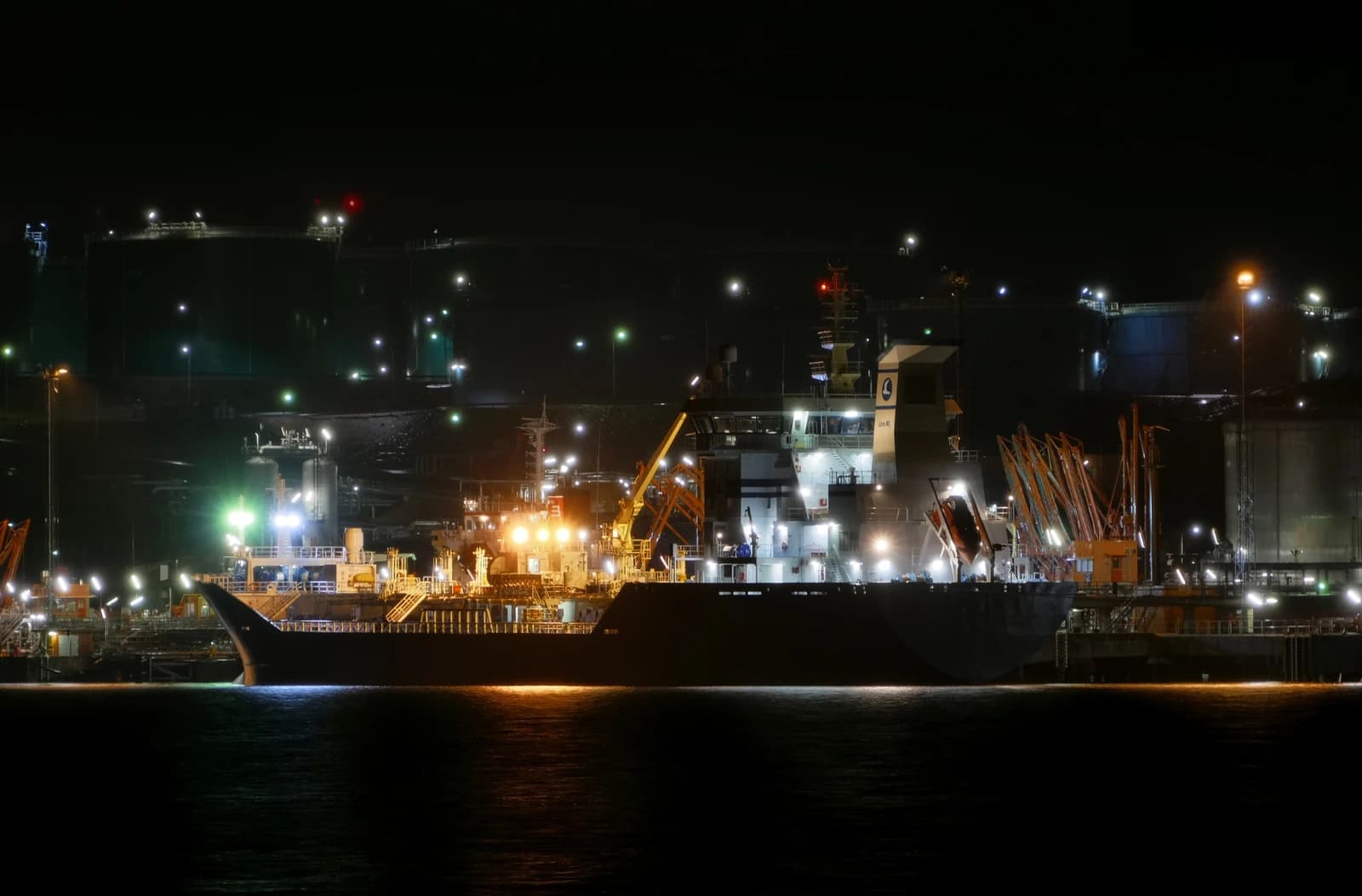
The agreement between Saudi Aramco, Singapore’s Energy Market Authority and JTC will route Saudi crude into the Jurong Rock Caverns, a 150-meter-deep storage system that can hold about 9 million barrels of hydrocarbon liquids. Shipments are due to begin in the second half of 2027, giving the kingdom a foothold in one of Asia’s most important trading and storage hubs just as the market reassesses the durability of supply flows through the Strait of Hormuz.
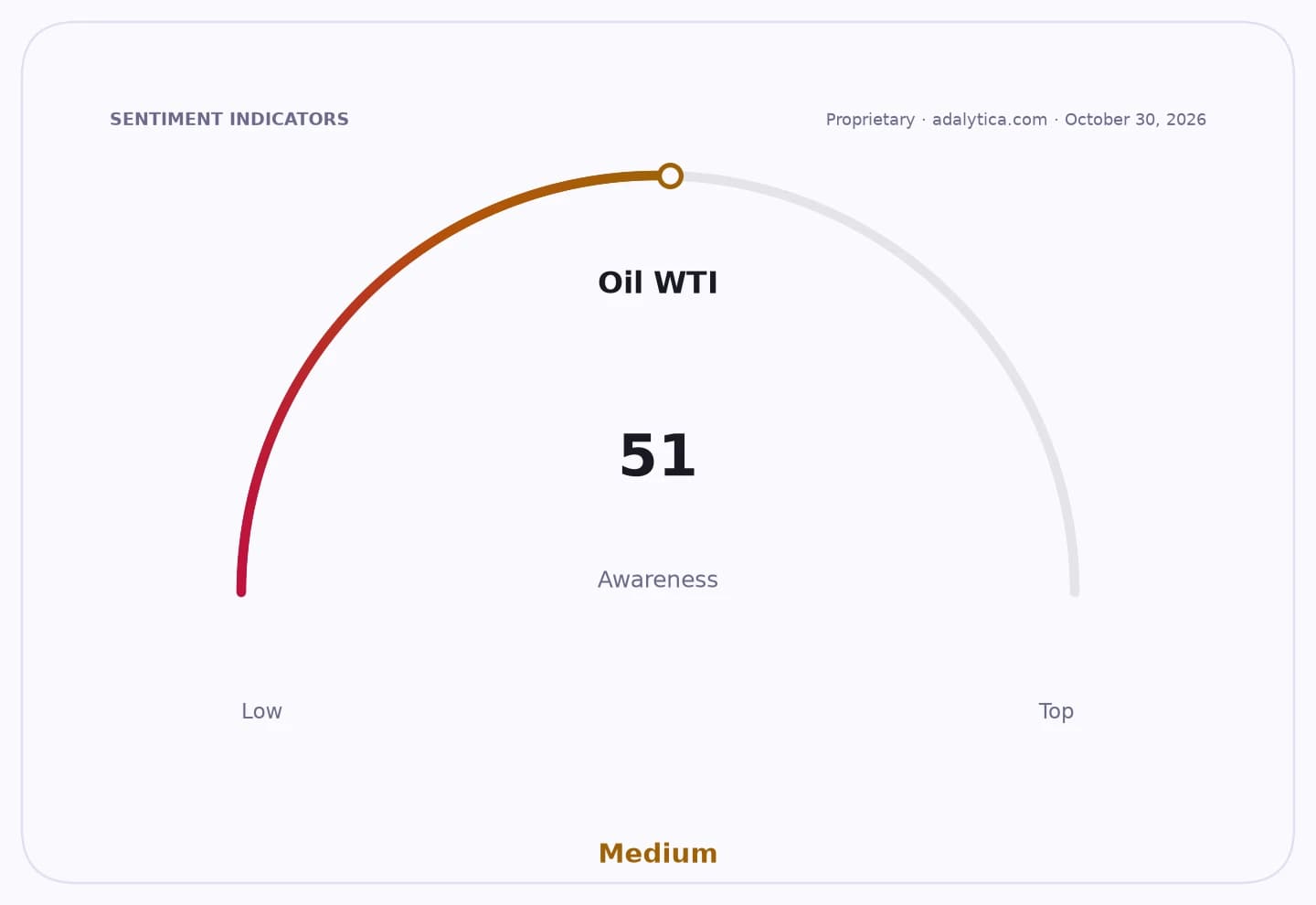
Sentiment Indicators
The timing matters. Saudi Arabia is effectively moving barrels closer to end markets at a moment when the Middle East remains a key source of price risk, as Washington and Tehran trade threats and limited military actions around the Gulf. Even without a full disruption, the mere possibility of interference around Hormuz is enough to lift the strategic value of buffer stocks, particularly for import-dependent Asian economies that want more control over supply shocks and freight bottlenecks.
For Singapore, the deal deepens its role as the region’s physical energy backstop. The city-state is already a major storage, blending and trading center, and the arrangement reinforces that infrastructure advantage at a time when Asia’s crude imports have recovered while refined-product demand remains softer. For Saudi Arabia, it strengthens optionality: stored barrels in Asia can support customers faster, improve logistics flexibility and help preserve market share if shipping lanes tighten.
The agreement also signals a broader shift in how producers and consumers are thinking about energy security. Rather than relying only on government reserves at home, countries are spreading strategic inventory across commercial hubs and allied jurisdictions. Saudi Aramco already holds crude in Japan and South Korea, where buyers have priority access in a shortage. Singapore now joins that network, broadening the kingdom’s reach across Northeast and Southeast Asia.
Oil markets have been volatile enough to make that insurance more attractive. Brent and WTI have swung sharply this year on geopolitical shocks, while equities tied to the sector have moved with crude: the USO oil fund and energy stocks have both seen pressure and rebounds as prices reset. At the same time, the latest US inventory draw points to still-tight underlying supply, which means even modest disruptions can have outsized effects on prices and margins.
For investors, the key takeaway is that strategic storage is becoming part of the competitive architecture of the oil market, not just a policy afterthought. Physical reserves in Singapore should be viewed as a hedge against disruption, a logistical asset and a commercial option for Saudi Arabia. The beneficiaries are producers with surplus supply and storage capacity; the losers are refiners, importers and traders who are more exposed to sudden freight, insurance and prompt-barrel premiums if Hormuz risk intensifies.
| Entity | Gains | Losses |
|---|---|---|
| Saudi Arabia / Aramco | ▲Asia market access | ▼Less storage flexibility at home |
| Singapore | ▲Energy-security role | ▼Higher exposure to storage-security risk |
| Asian importers | ▲Supply buffer | ▼Reliance on strategic stocks |
| Refiners / traders | ▲Physical optionality | ▼Prompt-barrel price volatility |