Asian equities slipped at the start of Tuesday trading as investors pared risk ahead of the opening of voting in the US midterm elections, while oil steadied after a sharp previous-day selloff, underscoring how political uncertainty in Washington and a still-sensitive energy market are keeping global traders defensive.
Asia Stocks Slip Before U.S. Midterm Vote

The clearest read-through for markets is not the size of the move but the positioning behind it. MSCI’s broad Asia-Pacific ex-Japan index fell 0.9%, with Korean shares tumbling as much as 3.8%, while S&P 500 e-mini futures inched up 0.1% and Japanese markets were shut for a holiday. That combination points to a classic pre-event pause: investors are trimming exposure in Asia rather than making bold directional bets before the vote count clarifies the policy backdrop for rates, taxes, regulation and trade.
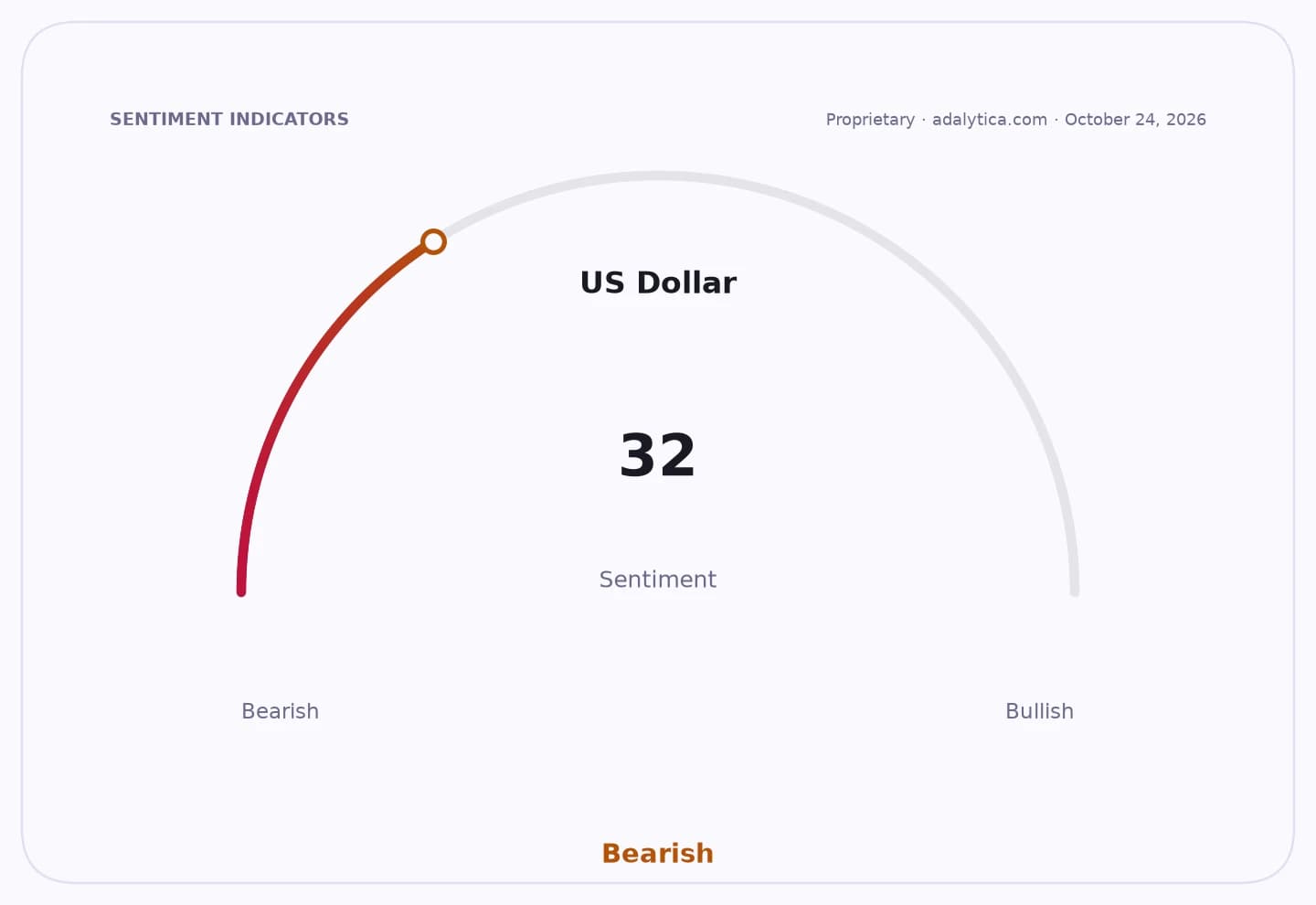
Sentiment Indicators
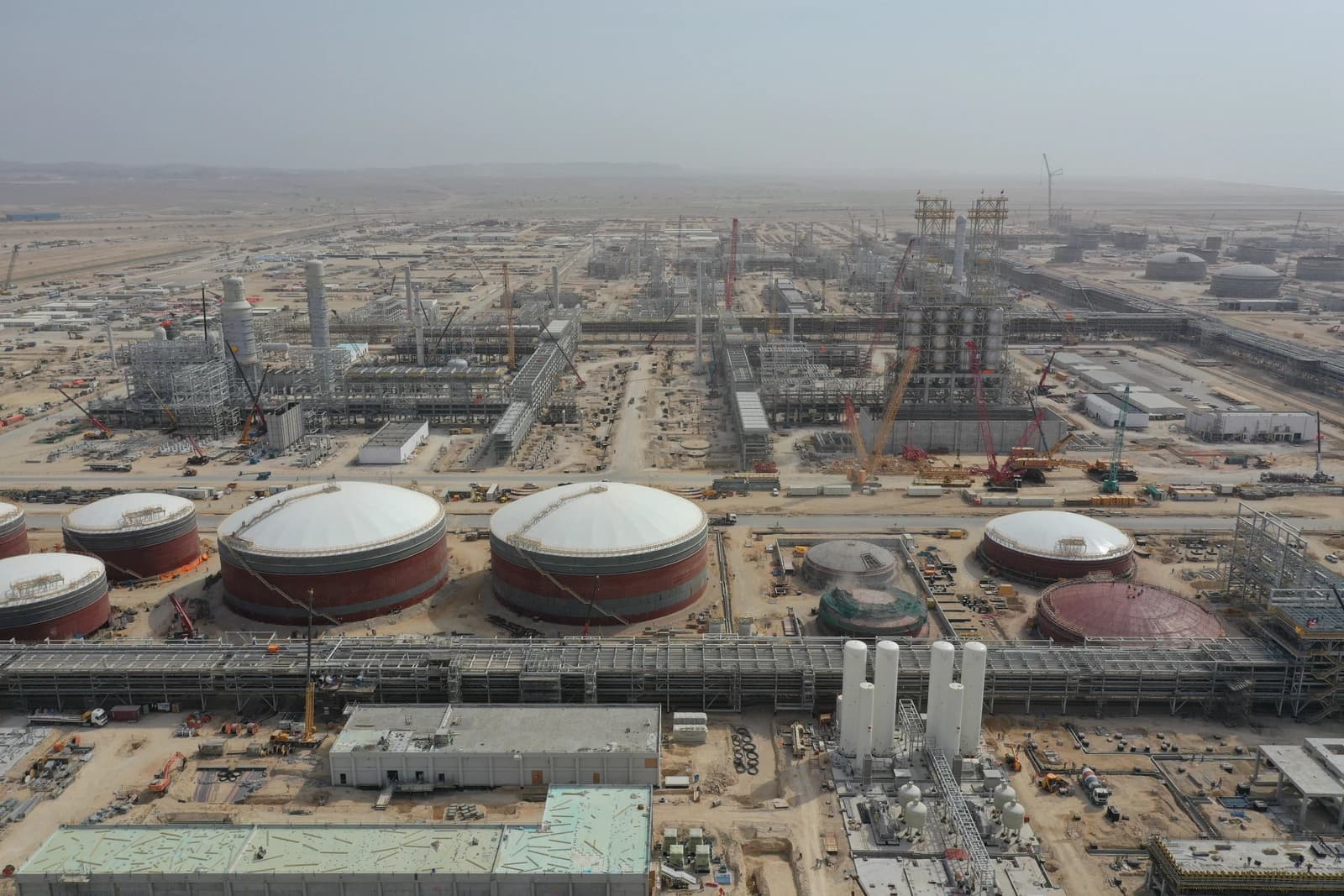
Oil’s refusal to break lower is equally important. Brent-linked crude has been trading with high sensitivity to geopolitics and supply expectations, and US benchmark West Texas Intermediate hovered around $96 a barrel after last week’s swings. On the technical side, the front-month crude contract remains above its 50-day and 200-day moving averages, a sign that the longer-term uptrend is still intact even as the relative strength index has cooled from overbought levels. In other words, the energy market is digesting profit-taking, not pricing a sustained collapse in demand.
That matters for investors because the market is in a tug-of-war between slowing growth fears and stubbornly tight commodity conditions. A softer Asia open usually hits cyclical and export-sensitive names first, especially in Korea, where technology and industrial shares often act as a proxy for global growth. At the same time, steady oil keeps pressure on transport, airlines and import-dependent economies, while supporting energy producers and service companies that still enjoy strong cash-flow leverage at current price levels.
US election outcomes can also matter at the margin for the dollar and Treasury yields, which in turn filter through to Asian assets and commodities. Adalytica’s trade-signal snapshot shows US dollar sentiment in “fear,” while the broader global stability gauge is flashing “extreme greed,” a combination that often accompanies crowded macro positioning and abrupt reversals. If the vote reinforces policy gridlock, risk assets may interpret that as a temporary relief from regulatory shocks, but not a cure for tighter financial conditions.
For now, the market’s message is simple: stay nimble. Ahead of a politically charged US session, the near-term opportunity is in companies and sectors with real pricing power, balance-sheet strength and direct exposure to the energy cycle, while the most vulnerable names remain those tied to weakening global trade and sentiment-sensitive beta. If the post-election picture calms rate and policy fears, the next move could favor quality cyclicals and energy over the broad market chase.
| Entity | Gains | Losses |
|---|---|---|
| Energy producers | ▲Steady crude prices | ▼Input-cost pressure eases less |
| Airlines and transport | ▲Lower fuel would help | ▼High oil stays a drag |
| Korean exporters | ▲Policy clarity could help | ▼Risk-off selling hits first |
| Broad equity bulls | ▲Gridlock may reduce policy shocks | ▼Pre-vote caution caps upside |