Xi Jinping’s rare meeting with Oman’s Sultan Haitham bin Tariq matters because it points to a broader scramble for control over one of the world’s most vulnerable energy arteries at a moment when oil prices, shipping insurance and regional security are all being repriced by the war with Iran.
China, Oman Discuss Hormuz Security Amid Oil Risk
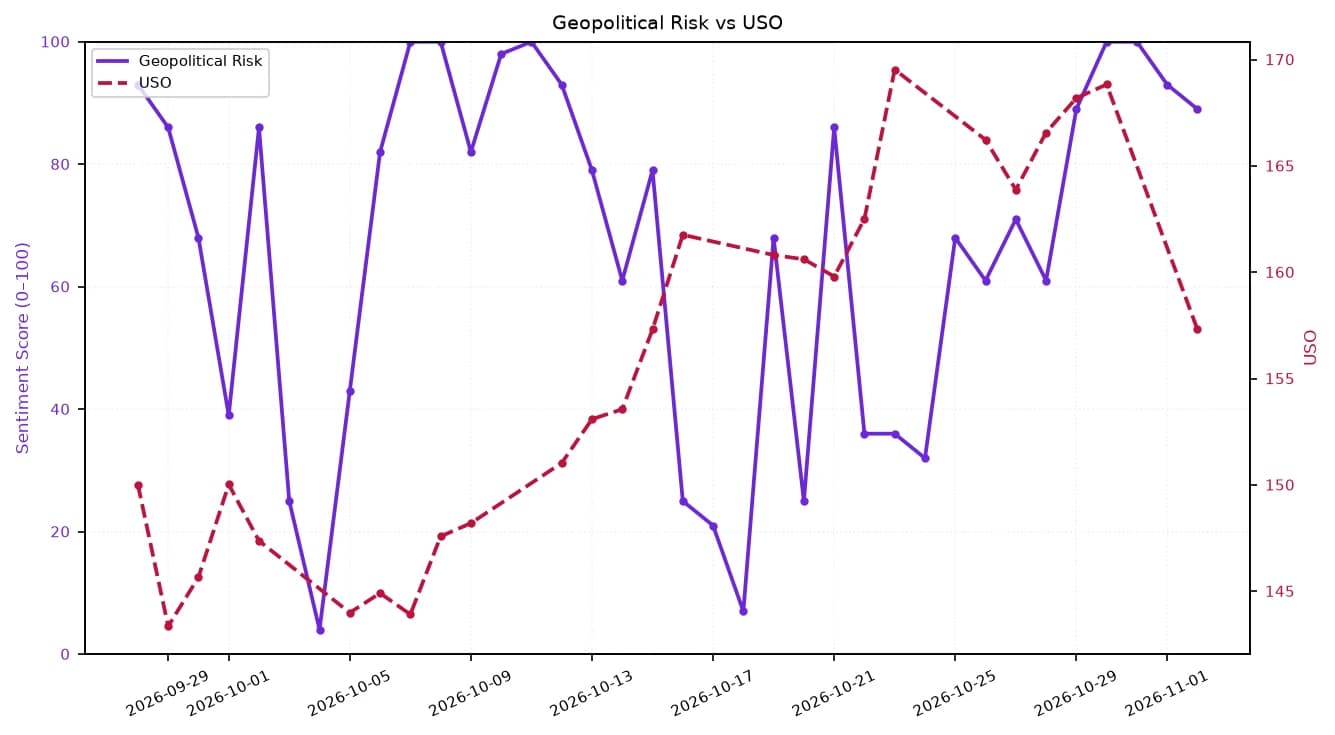
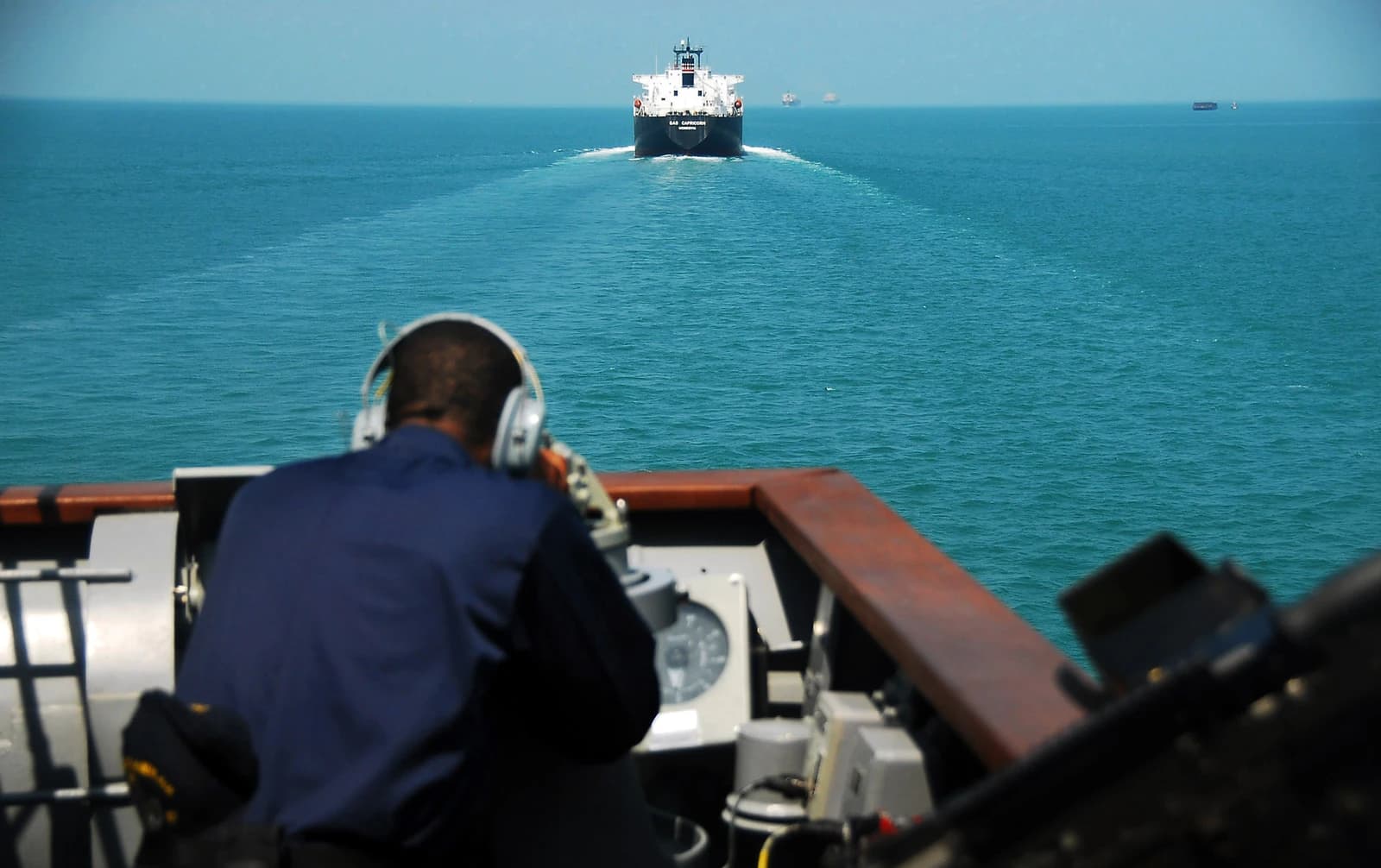
China and Oman used the visit to call for “normal and safe navigation” through the Strait of Hormuz, underscoring how quickly Middle East geopolitics is spilling into markets. The strait carries a large share of seaborne crude and remains exposed to attacks on merchant ships, fire incidents and heightened US naval escort activity. For Beijing, the issue is not abstract diplomacy: before the war, China bought about 90% of Iran’s oil exports, and any renewed fighting threatens supply, price stability and the flow of discounted crude that some Chinese refiners rely on.
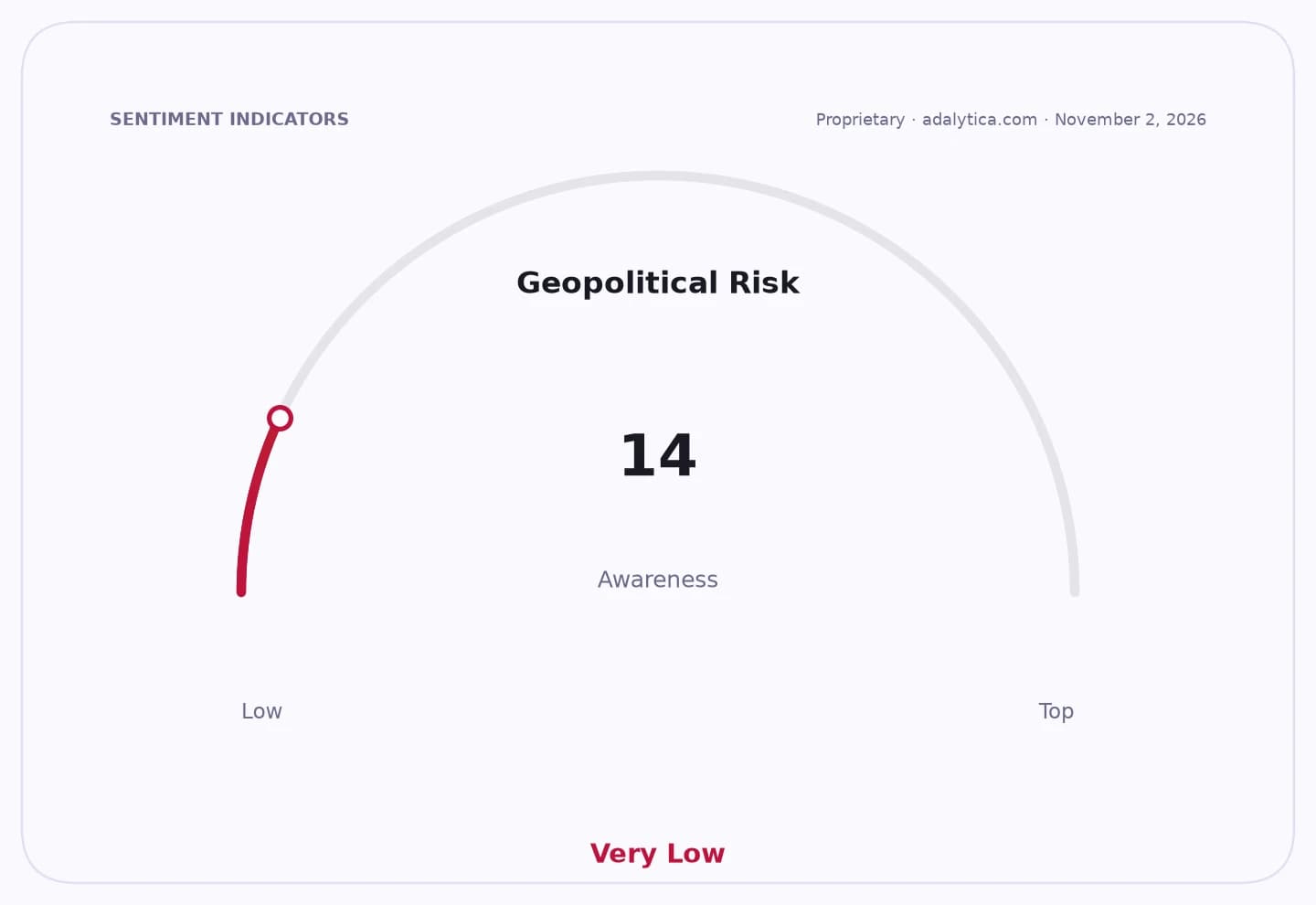
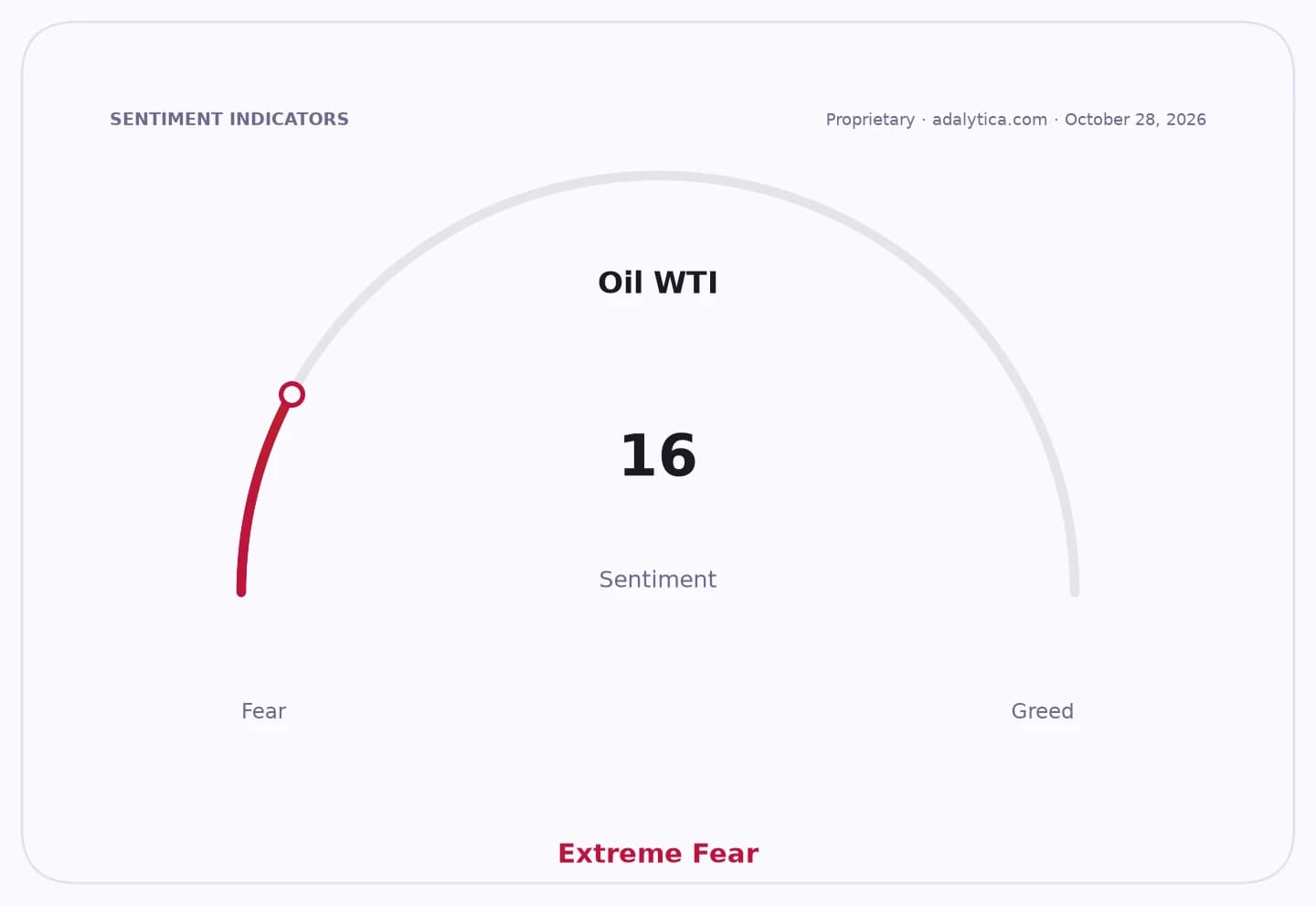
Sentiment Indicators
That makes the Oman channel strategically important. Muscat has long played mediator in regional disputes, and Xi’s offer to help address Middle East challenges signals that Beijing wants a bigger role in the Gulf security order just as confidence in US guarantees is being tested. The timing is notable. Trump has said US attacks on Iran could resume, while Gulf states fear another round of conflict could destabilize shipping, raise freight costs and tighten energy supplies further.
The market has already been forced to discount that risk. WTI crude has been trading at elevated levels, with USO still near $157 and well above its 200-day moving average, even after recent pullbacks. That is not a normal oil tape; it reflects a market that is still pricing geopolitical premium into energy and transport. Exxon Mobil and Chevron have also stayed bid, with both stocks holding above their long-term trend lines, as investors continue to favor producers with leverage to tighter supply and higher realized prices.
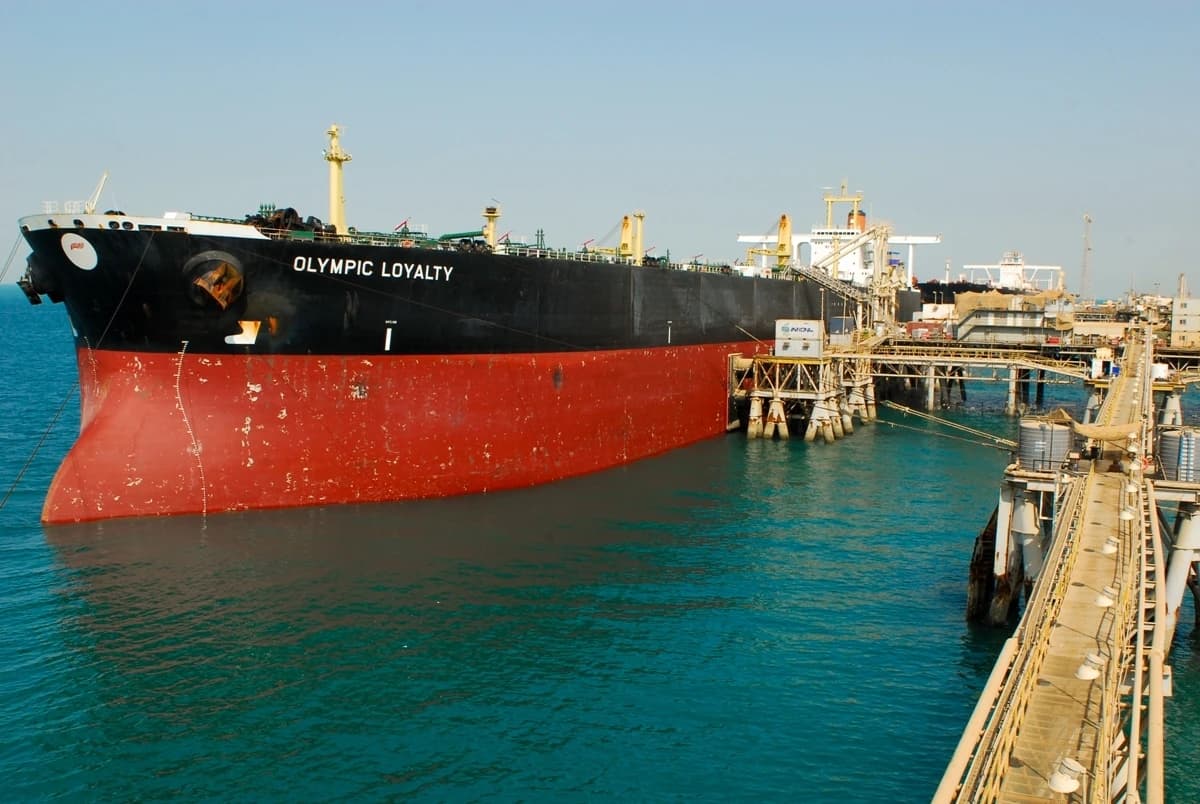
The bigger investment takeaway is that Hormuz risk is no longer just a headline shock — it is a structural input into energy, shipping and defense allocations. Any sustained disruption would lift tanker rates, crude benchmarks, marine insurance and the earnings power of integrated oil majors, while pressuring importers, airlines and industrial users. Oman’s role as interlocutor may help reduce immediate tail risk, but the fact that Xi is talking about security architecture at all shows how fragile the current balance is.
For investors, the asymmetric trade remains in the assets that benefit from prolonged instability, not the ones assuming a quick normalization. Energy producers, tanker operators, naval and maritime security plays, and selective defense names still look like the cleaner way to express this regime shift. If Hormuz stays tense — and the current trajectory suggests it may — the market will keep rewarding exposure to the cost of keeping the world’s oil moving.
| Entity | Gains | Losses |
|---|---|---|
| Exxon Mobil, Chevron | ▲Higher crude prices | ▼Refined demand sensitivity |
| Tanker operators | ▲Higher freight rates | ▼Route disruption risk |
| China, Oman | ▲Greater diplomatic leverage | ▼Exposure to shipping instability |
| Oil importers, airlines | ▲None | ▼Higher fuel and insurance costs |