China is signaling a closer strategic and economic partnership with Oman just as Gulf trade routes, energy security and regional diplomacy remain in focus for investors. President Xi Jinping said the two countries’ expanding ties are a “shared strategic choice,” framing the relationship as a new starting point for cooperation that could have implications for energy, shipping and investment flows across the Middle East.
China and Oman deepen strategic ties in Beijing
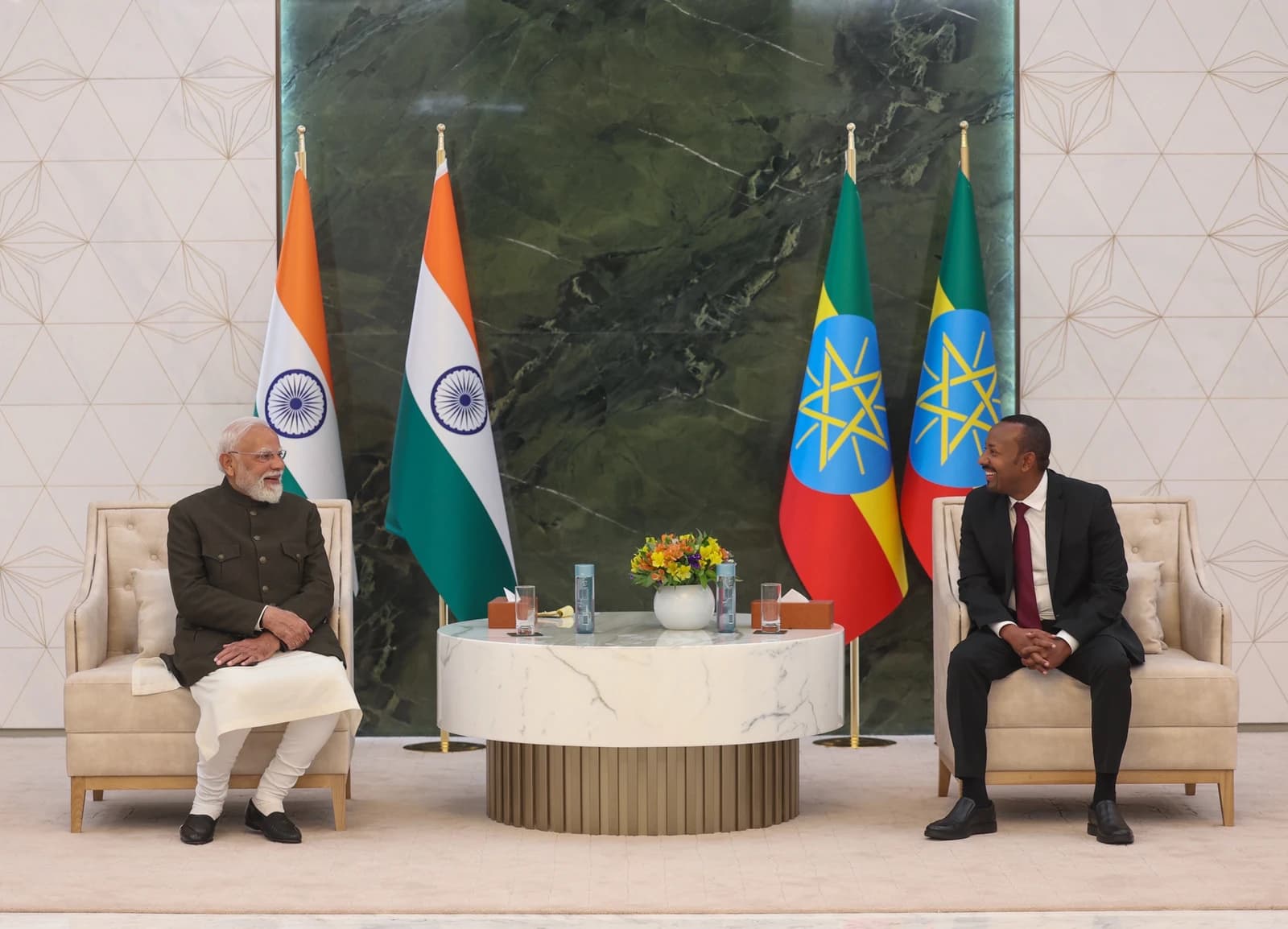
The comments came as Omani Sultan Haitham bin Tariq al-Said began a two-day state visit to Beijing, the first by an Omani head of state since diplomatic relations were established in 1978. Xi said he was ready to lift the China-Oman strategic partnership to a higher level to better serve both peoples and support “peace, stability and prosperity” in the region.
Sentiment Indicators
For markets, the visit underscores China’s effort to broaden its footprint in the Gulf beyond traditional oil trade and into longer-term strategic alignment with producers and transit states. Oman sits near the Strait of Hormuz, a chokepoint for global crude flows, and has positioned itself as a relatively neutral Gulf interlocutor as tensions elsewhere in the region keep energy traders alert.
The diplomatic push also matters because Oman has been looking for more foreign investment and a deeper trade framework with China, which is one of its biggest commercial partners. A more formalized economic relationship could support logistics, ports, industrial projects and energy cooperation, reinforcing Beijing’s wider Gulf strategy at a time when it is seeking stable supply chains and reliable commodity access.
Energy stocks have already been sensitive to Middle East developments, with traders and companies such as Exxon Mobil, Occidental Petroleum and ConocoPhillips watching regional risk premiums, shipping routes and government policy closely. Any move that lowers geopolitical friction or improves the predictability of Gulf trade would tend to support the broader investment case for international energy producers and transport-linked assets.
The next catalyst is whether the two sides turn the political language into a preferential trade and investment framework, which would give investors a clearer read on the scale of future capital flows, energy deals and infrastructure cooperation.
| Entity | Gains | Losses |
|---|---|---|
| China | ▲Gulf strategic reach | ▼Diplomatic isolation risk |
| Oman | ▲Investment and trade access | ▼Reliance on external capital |
| Energy exporters | ▲More stable trade links | ▼Geopolitical risk premium |
| Regional rivals | ▲— | ▼China-backed Oman alignment |