Iran’s foreign minister has traveled to Ashgabat with an economic delegation, underscoring how Tehran is pushing harder to turn diplomacy with Turkmenistan into practical energy and trade gains at a time when regional commerce is being rewired around sanctions, supply security and Central Asian linkages.
Iran Turkmenistan trade and energy talks in Ashgabat
The visit matters because Turkmenistan is not just another neighbor for Iran; it is a potential pressure valve for gas imports, transit routes and broader cross-border trade that can help Tehran cushion external constraints. When Foreign Minister Abbas Araghchi meets Turkmen officials, the real prize is not ceremony but incremental progress on customs, transport, and energy arrangements that can lower frictions in a region where every pipeline, border crossing and payment channel carries strategic value.
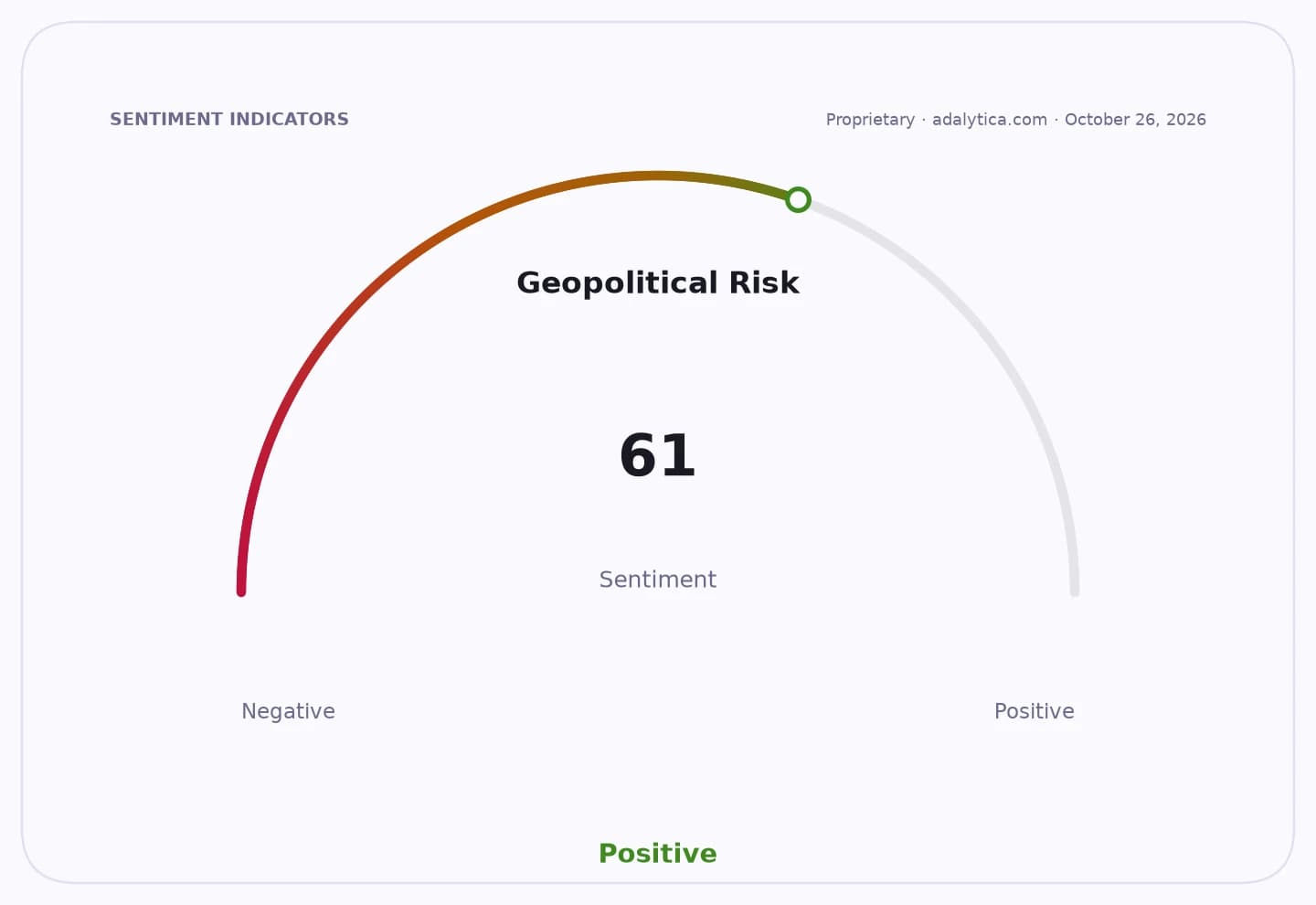
Sentiment Indicators
That is why recent signs of closer customs cooperation between the two countries matter to investors and policymakers alike. A smoother Iran-Turkmenistan trade lane would support energy flows, improve regional logistics and strengthen the case for a broader Central Asia trade corridor that could benefit transport operators, pipeline-linked infrastructure and commodity-exposed economies. It also fits a wider pattern: regional governments are looking for bilateral workarounds and selective integration as global trade remains fractured by geopolitics.
For markets, the message is that energy diplomacy in Eurasia remains a live catalyst, not a side story. In a world where supply reliability is prized, any move that improves Iran’s access to gas, transit or neighboring markets can ripple through regional pricing assumptions and infrastructure investment plans. The biggest beneficiaries are likely to be companies and assets tied to midstream energy, cross-border transport and corridor development, while friction remains the main headwind for sanctions-sensitive trade.
Adalytica’s Global Stability Sentiment sits at 93, or “Extreme Greed,” even as awareness remains in “Extreme Fear,” a split that suggests markets are optimistic about geopolitical stability while still underpricing execution risk. That gap is exactly where opportunity can emerge if this visit leads to concrete agreements rather than another round of diplomatic signaling.
The investment takeaway is straightforward: the market underestimates the strategic value of Central Asian energy diplomacy, and Turkmenistan is becoming a more important node in the regional trade map. Watch for follow-through on customs, gas and transit accords, because those are the deals that can create the next leg of upside for infrastructure, pipeline and logistics exposure.
| Entity | Gains | Losses |
|---|---|---|
| Iran | ▲More gas and trade options | ▼Isolation from sanctions |
| Turkmenistan | ▲Export leverage, transit role | ▼Dependence on limited buyers |
| Energy/logistics firms | ▲Cross-border volume growth | ▼Friction from slow deals |
| Sanctions-sensitive traders | ▲Potential workarounds | ▼Higher compliance risk |