Iran’s new consul in Kapan has underscored the strategic importance of Armenia’s Syunik region, putting the border province back at the center of a wider contest over trade routes, customs flow and regional influence.
Iran Consul in Kapan Highlights Syunik Trade Route
That matters because Syunik sits on the narrow southern corridor linking Armenia to Iran, and any effort to speed up cross-border traffic could shape how goods, trucks and investment move between the two countries. For Iran, which is looking to deepen economic ties with its northern neighbors while navigating sanctions and regional friction, even modest improvements in border efficiency can have outsized value.
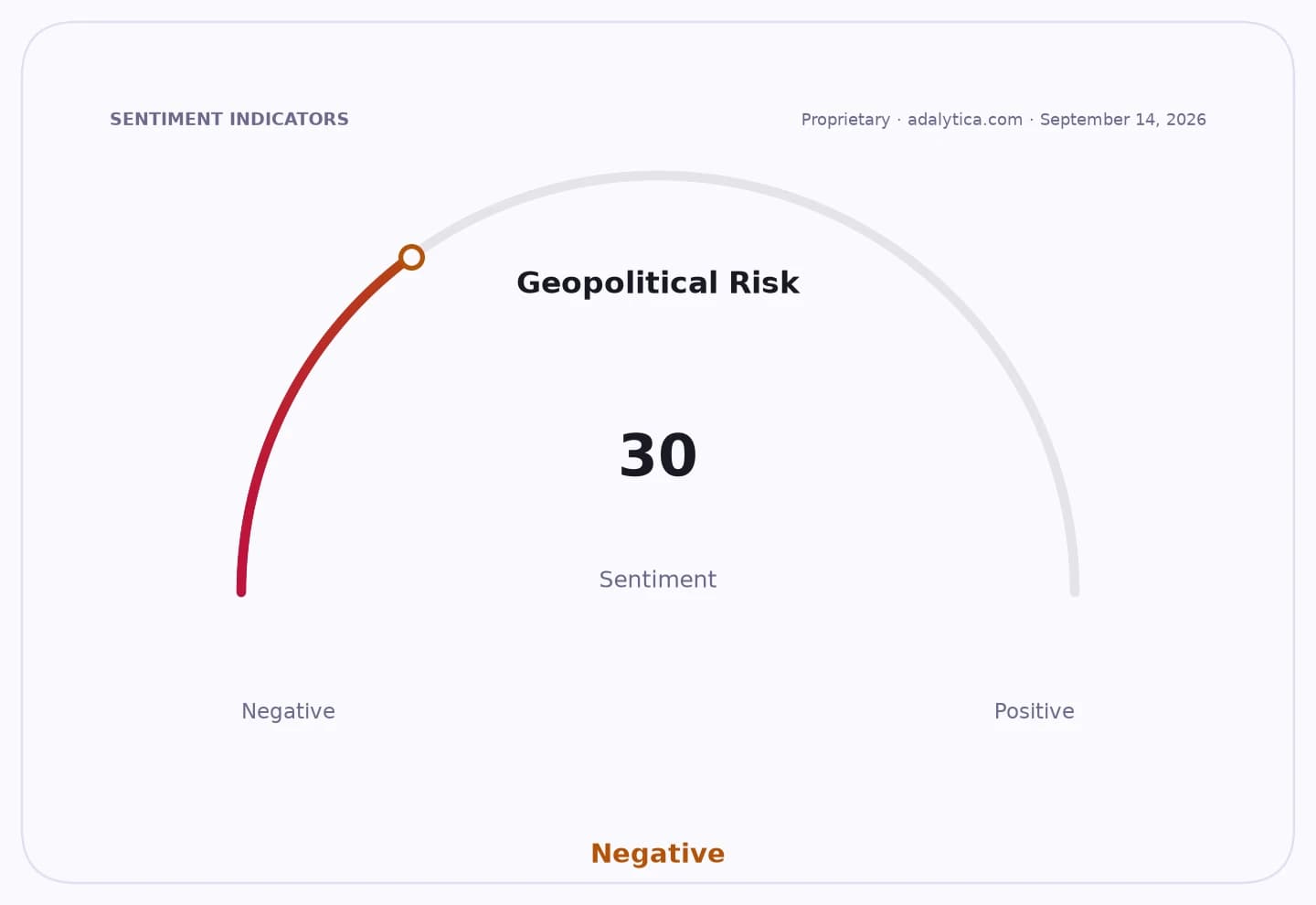
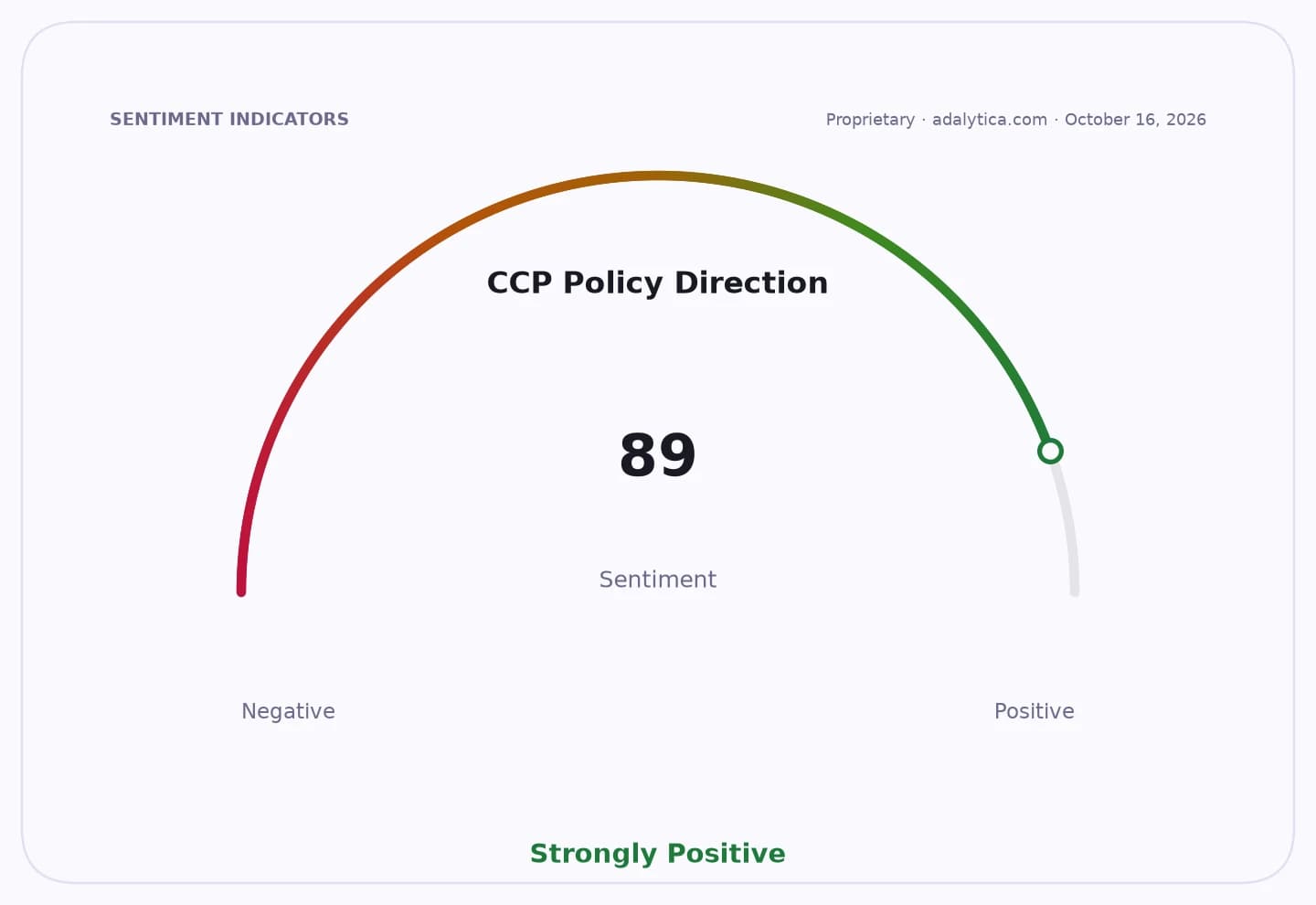
Sentiment IndicatorsⓘProprietary · adalytica.com · October 17, 2026
This is a snapshot — live sentiment, awareness and momentum for 130+ markets update continuously in the dashboard.Open AlphaPulse
The message from Davoud Yaiji, who formally presented his exequatur in Yerevan on Oct. 15 before meeting with senior Armenian officials, was simple: keep the border moving. He called for joint efforts to facilitate and accelerate traffic at the frontier, while Armenia’s foreign ministry focused on expanding economic cooperation. That combination suggests the consulate is not just a ceremonial posting, but part of a practical push to build a more reliable commercial channel through Syunik.
For investors and policymakers, the real story is that corridors matter when geopolitics gets tense. Southern Armenia has become more than a map detail; it is a potential hinge point for overland trade between Iran and the wider Caucasus. The same logic is drawing attention to the Middle Corridor and other east-west routes across Eurasia, where countries are competing to become indispensable transit nodes. In that setting, any smoother link through Syunik strengthens Iran’s access to regional commerce and gives Armenia a stronger hand in economic diplomacy.
The broader implication is that trade infrastructure is increasingly being used as a strategic tool. Countries along these routes are not simply talking about customs procedures; they are positioning themselves for leverage over flows of energy, freight and investment. If Armenia and Iran can translate diplomatic goodwill into faster border operations and more predictable logistics, the payoff could extend well beyond bilateral trade.
For long-term investors, that makes Syunik worth watching as part of the larger Eurasian transport story. The region’s importance is less about one announcement than about a steady shift toward corridor-based competition, where geography can create durable economic advantages. In that kind of environment, the winners are the countries that can keep goods moving — and the losers are the routes that remain slow, fragmented or politically vulnerable.
| Entity | Gains | Losses |
|---|---|---|
| Iran | ▲Better access to Armenia and northbound trade | ▼Friction at the border |
| Armenia’s Syunik region | ▲Higher strategic value and transit relevance | ▼Risk of being bypassed |
| Regional trade corridors | ▲More attention and potential investment | ▼Slower, less efficient routes |
| Competing transit hubs | ▲Less immediate pressure | ▼Loss of traffic share |