Closer Tajikistan-China cooperation under the Belt and Road Initiative and the Shanghai Cooperation Organization is not just diplomatic theater — it is a reminder that the next leg of China’s growth story may come from building out the physical and digital plumbing of Eurasia.
China-Tajikistan BRI push lifts infrastructure proxies
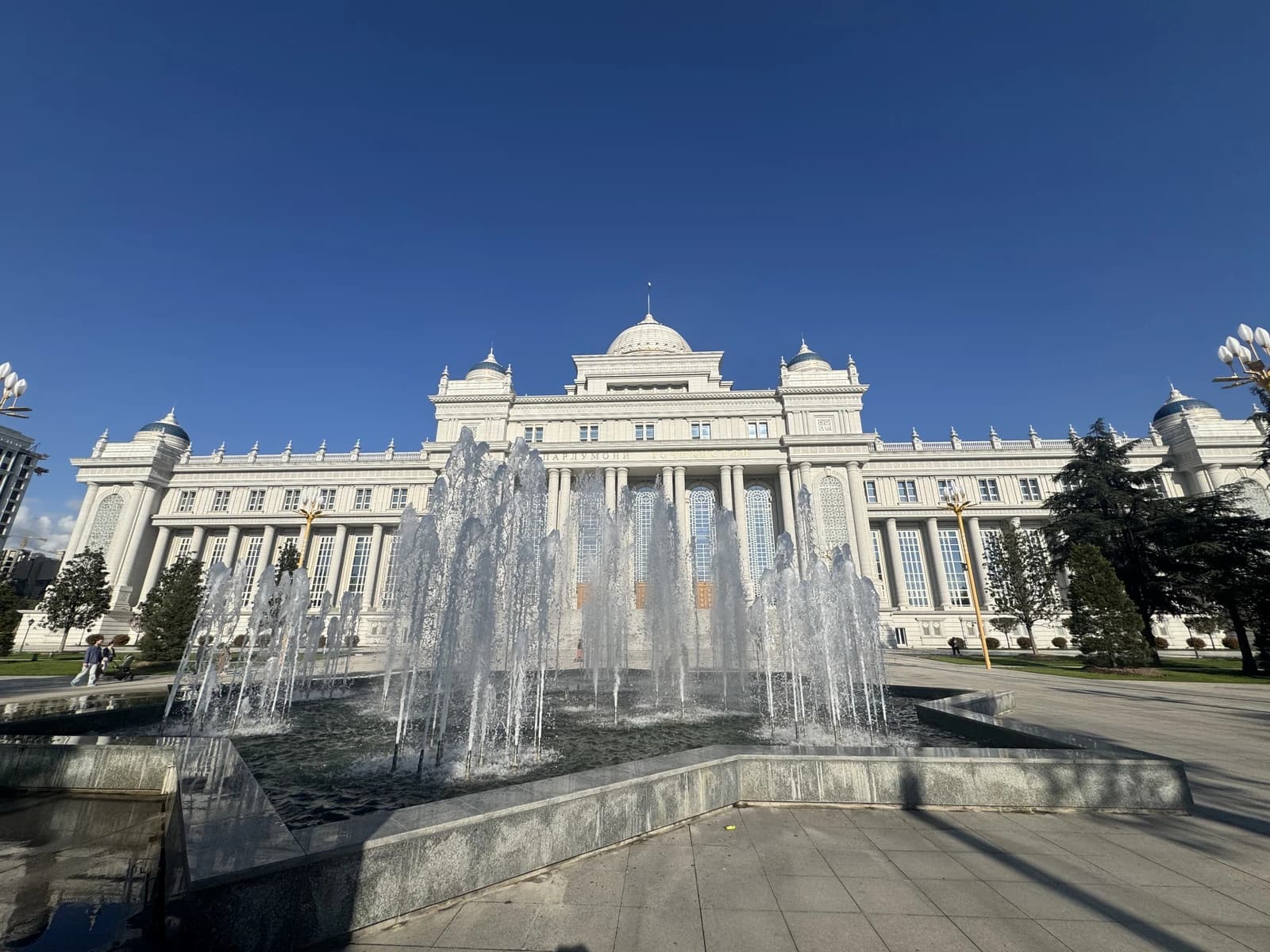
That matters because landlocked Central Asia needs roads, power grids, cross-border logistics and financing, and China has the capital and industrial base to supply all four. For investors, the significance is less about Tajikistan itself than about the larger policy direction: Beijing is deepening its influence in a region that sits on the fault line between trade corridors, energy networks and security competition, creating another channel for Chinese exporters, infrastructure contractors and financiers to deploy excess capacity abroad.
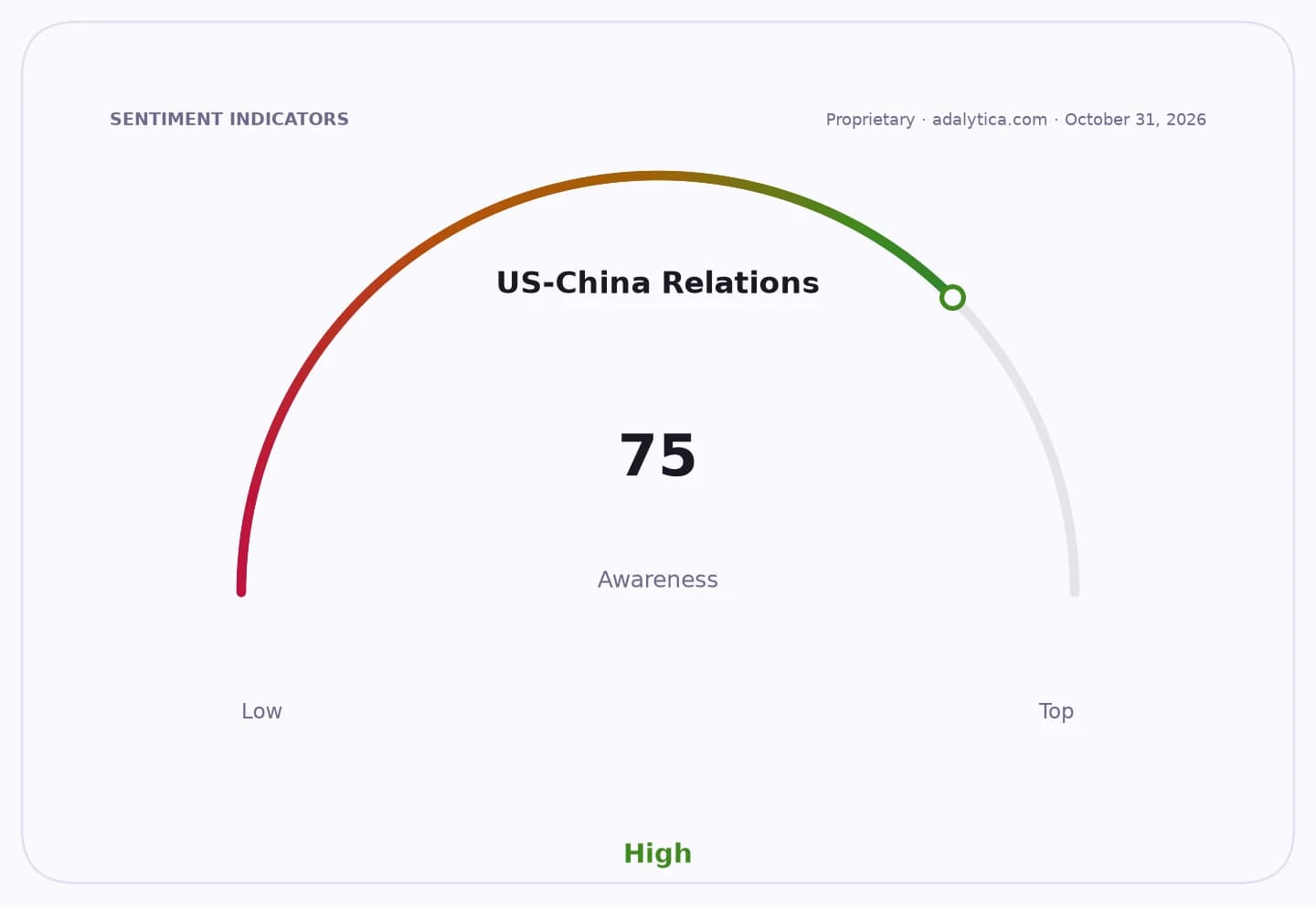
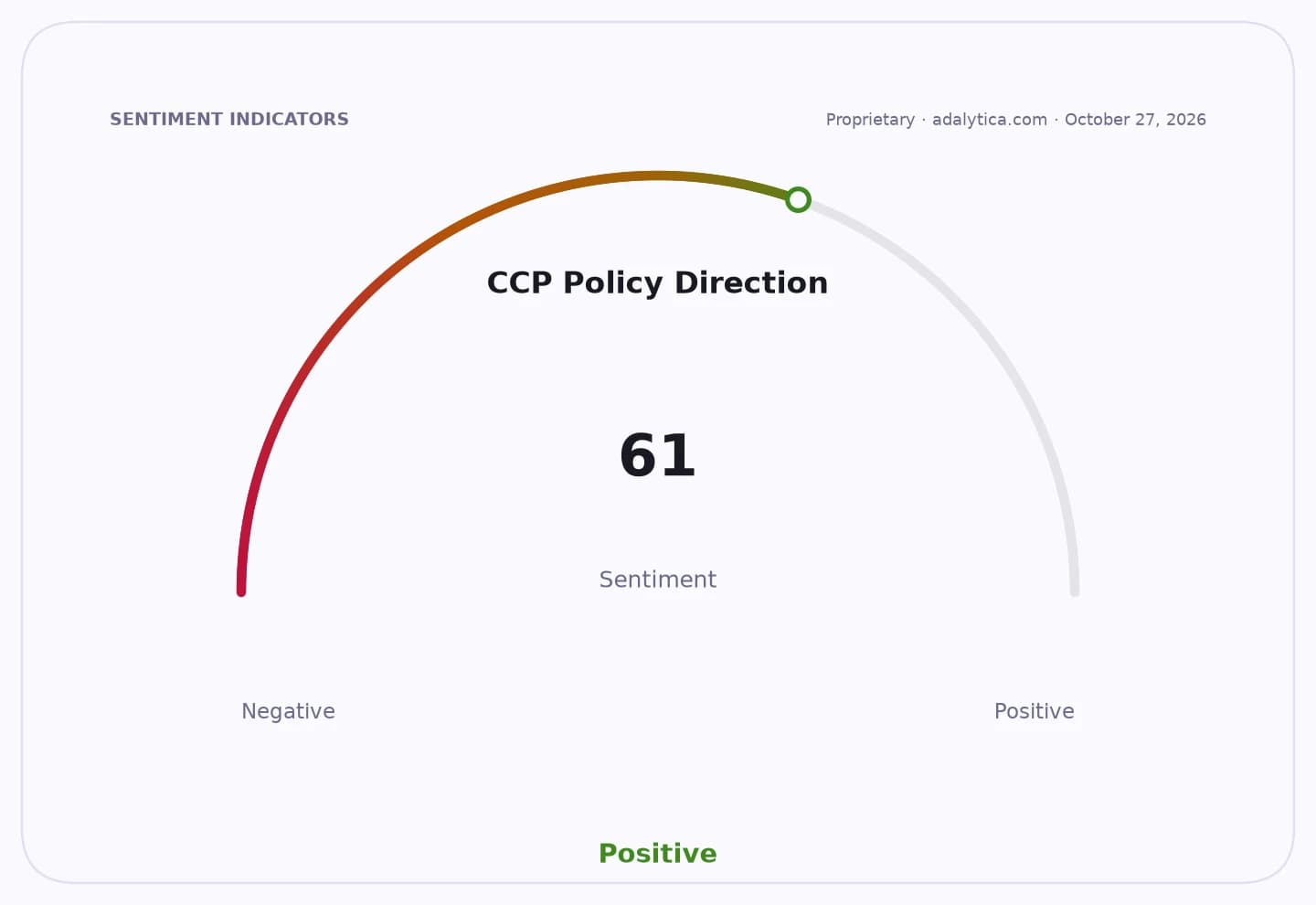
Sentiment Indicators

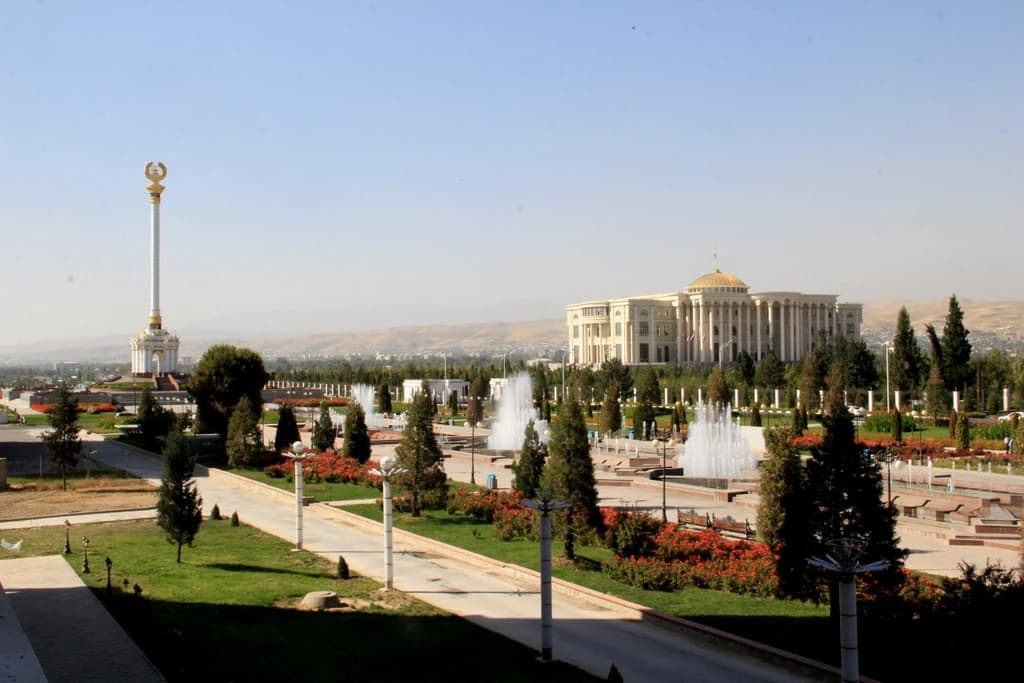
The interview from Dushanbe comes as Tajikistan seeks to align its development strategy through 2030 with Chinese-led connectivity projects. The country’s mountainous terrain makes transport buildout expensive and slow, which is exactly where Chinese state-backed engineering, equipment and financing can have an outsized impact. That means opportunities in highways, rail links, transmission lines, hydropower and digital systems — the kinds of projects that generate multi-year order books rather than one-off headlines.
Hydropower is the clearest economic lever. Tajikistan has abundant water resources but limited grid capacity and aging infrastructure, so any serious monetization of that resource requires long-duration capital and technical know-how. Chinese participation in hydropower and renewable-energy development would not only support Tajikistan’s industrialization, it would also reinforce a broader Eurasian energy architecture in which China increasingly supplies the hardware, software and financing.

There is also a strategic layer that markets should not ignore. The Shanghai Cooperation Organization gives Beijing an institutional platform to normalize cross-border cooperation on security, trade and investment. In an era of supply-chain fragmentation and sanctions risk, that matters because it lowers friction for regional projects and helps China lock in influence where Western capital is often absent or cautious. That is part of a wider geopolitical shift: the market underestimates how much of the next cycle in emerging-market infrastructure may be routed through Chinese policy banks, contractors and equipment makers rather than traditional Western lenders.
For China-focused investors, the cleanest expression is not Tajikistan directly, but the proxies that benefit when Beijing exports capex and connectivity. Chinese equities tied to infrastructure, power equipment, grid modernization, rail, telecom gear and engineering services remain the more investable trade. The FXI and MCHI China ETFs have already been volatile, and the recent slide in both suggests the market is still pricing China as a macro problem rather than a regional capital-export story. If Beijing leans harder into BRI corridors and SCO-aligned development, that discount could narrow for the firms that sell the tools of infrastructure expansion.
Adalytica’s US-China Relations Sentiment sits in neutral territory, while global stability readings still point to elevated geopolitical uncertainty. That combination usually favors selective exposure to state-backed secular themes rather than broad beta. In plain English: don’t chase China for a simple rebound. Position for the companies and sectors that profit when Beijing turns geopolitical alignment into real concrete, steel and electrons.
| Entity | Gains | Losses |
|---|---|---|
| China infrastructure firms | ▲More overseas projects | ▼Less idle capacity |
| Tajikistan government | ▲Better transport and power buildout | ▼Higher dependence on China |
| Western lenders | ▲Limited direct upside | ▼Missed corridor financing |
| Broad China ETFs | ▲Re-rating from policy support | ▼Macro discount if growth slows |